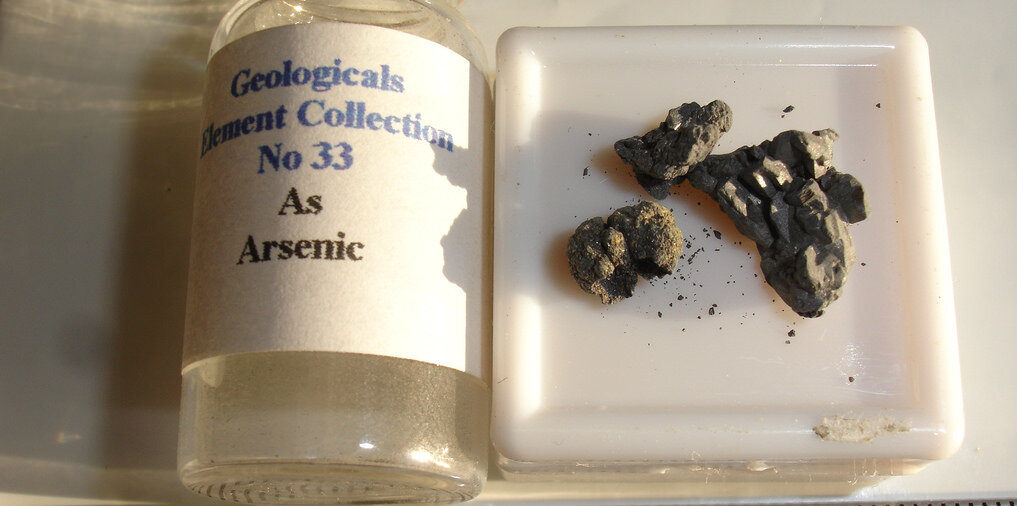
nightglow.info – Arsenic is a naturally occurring element that is widely distributed in the Earth’s crust. It is found in soil, air, water, and food. Arsenic can also be released into the environment from certain agricultural and industrial activities. Exposure to high levels of arsenic can cause serious health problems, including cancer, cardiovascular disease, and diabetes. As a result, the presence of arsenic in consumer products is a significant public health concern.
Sources of Arsenic in Consumer Products
Arsenic can be found in a variety of consumer products, including:
- Wood Preservatives: Chromated copper arsenate (CCA) was commonly used to treat wood to prevent rot and insect damage. Although its residential use has been largely phased out, older treated wood may still contain arsenic.
- Pesticides: Arsenic-based pesticides were once widely used in agriculture and residential settings. While many have been banned or restricted, some may still be present in the environment or in older products.
- Food: Arsenic can contaminate food crops through soil, water, or air. Rice and rice products, in particular, have been found to contain higher levels of arsenic due to the plant’s tendency to absorb arsenic from the soil.
- Drinking Water: Arsenic can leach into groundwater from natural deposits or from industrial and agricultural sources. In some areas, drinking water is a significant source of arsenic exposure.
Health Risks Associated with Arsenic Exposure
Exposure to arsenic can occur through ingestion, inhalation, or skin contact. The health effects of arsenic exposure depend on the amount, duration, and route of exposure. Chronic exposure to arsenic can lead to:
- Cancer: Arsenic is a known human carcinogen, with lung, skin, bladder, and liver cancer being the most common types associated with exposure.
- Cardiovascular Disease: Arsenic exposure has been linked to an increased risk of heart disease and hypertension.
- Diabetes: Some studies suggest a potential link between arsenic exposure and type 2 diabetes.
- Reproductive and Developmental Effects: Arsenic exposure during pregnancy may affect fetal development and increase the risk of birth defects.
Regulatory Actions and Consumer Safety
In response to the health risks posed by arsenic, regulatory agencies around the world have established standards and guidelines to limit exposure. For example:
- U.S. Environmental Protection Agency (EPA): The EPA has set a maximum contaminant level (MCL) for arsenic in drinking water at 10 parts per billion (ppb).
- Food and Drug Administration (FDA): The FDA has established limits for arsenic in food, particularly in rice and rice products, which are commonly consumed by infants and children.
- Consumer Product Safety Commission (CPSC): The CPSC has banned the use of CCA-treated wood in residential settings and certain products.
Preventing Arsenic Exposure
Consumers can take several steps to reduce their exposure to arsenic:
- Drinking Water: Use a certified water filter that can remove arsenic, or have your water tested if you suspect contamination.
- Food: Vary your diet to reduce reliance on rice and rice products, especially for infants and children. Choose organic foods when possible to minimize exposure to pesticide residues.
- Home Products: Avoid using or purchasing products that may contain arsenic, such as treated wood in older homes or playground equipment.
Conclusion
Arsenic in consumer products is a complex issue that requires ongoing vigilance from regulatory agencies, manufacturers, and consumers. By understanding the sources of arsenic, the associated health risks, and taking proactive measures to reduce exposure, individuals can protect themselves and their families from the potential hazards of this toxic element.