Kragujevac: A City of Industrial Heritage & Cultural Significance

nightglow.info – Kragujevac, a city in central Serbia, is a city with a rich history, a vibrant cultural scene, and a strong industrial heritage. It has played a significant role in Serbian history, particularly during the 19th century when it served as the capital of the Principality of Serbia.

The city’s history dates back to the 15th century, but it was during the 19th century that Kragujevac experienced rapid growth and development. Prince Miloš Obrenović, recognizing the city’s strategic location, established it as the capital of Serbia in 1818. This period marked the beginning of Serbia’s modernization and industrialization, with Kragujevac at the forefront.

A Center of Serbian Industry

Kragujevac’s industrial heritage is deeply rooted in its history. The city’s Arsenal, founded in 1853, was one of the first modern factories in the Balkans. It played a crucial role in Serbia’s military and economic development. Today, the Arsenal continues to be a significant industrial complex, producing a wide range of products.

The city’s automotive industry is another important sector. The “Fiat Automobili Kragujevac” factory, a joint venture between Fiat Chrysler Automobiles and the Serbian government, produces popular car models. This factory has revitalized the city’s economy and created numerous job opportunities.

A Cultural Hub

Kragujevac is a city with a vibrant cultural scene. The National Museum Kragujevac houses a valuable collection of archaeological artifacts, historical documents, and works of art. The city’s theaters and cultural centers offer a variety of performances, including plays, concerts, and exhibitions.

The Kragujevac October Salon is a prestigious art exhibition that attracts artists from all over Serbia. This annual event showcases a wide range of artistic expressions, from painting and sculpture to photography and digital art.

A Modern City

Kragujevac has undergone significant development in recent years, transforming into a modern city with a strong focus on education, culture, and technology. The city’s universities and colleges offer a wide range of academic programs, attracting students from all over Serbia.

Kragujevac is also a popular destination for tourists, offering a variety of attractions, including historical sites, museums, parks, and recreational facilities. The city’s proximity to Belgrade and other major cities makes it easily accessible.
Discovering João Pessoa: A Hidden Gem of Brazil

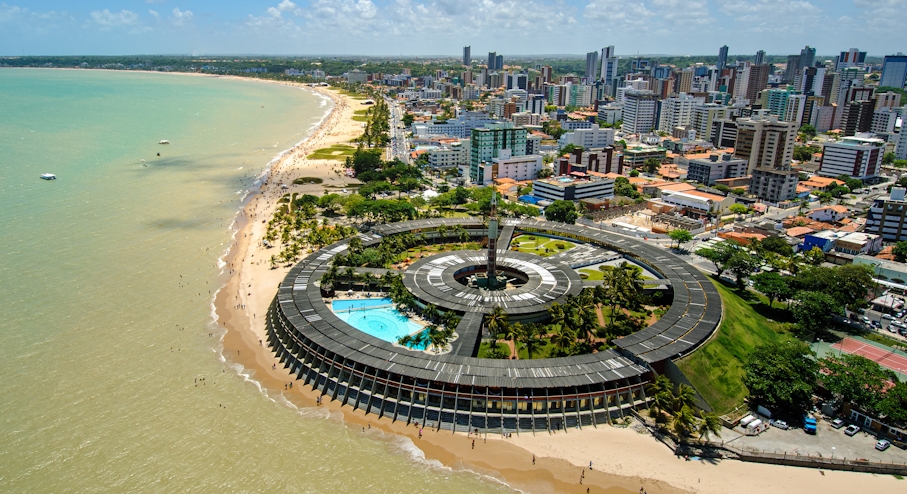
nightglow.info – João Pessoa, the capital of the Brazilian state of Paraíba, is a city rich in history, culture, and natural beauty. Nestled on the easternmost tip of the Americas, it boasts stunning beaches, lush greenery, and a vibrant cultural scene that makes it a must-visit destination for travelers seeking an authentic Brazilian experience.

A Glimpse into History

Founded in 1585, João Pessoa is one of the oldest cities in Brazil. Its historical significance is evident in its well-preserved colonial architecture and numerous historical sites. The city played a crucial role during the colonial period and has been a witness to many pivotal events in Brazilian history. Visitors can explore the picturesque streets of the historic center, where landmarks like the San Francisco Church and the Monastery of São Bento stand as testaments to the city’s rich past.

The Natural Beauty of João Pessoa

João Pessoa is renowned for its breathtaking natural landscape. The city is framed by a series of stunning beaches, each offering its own unique charm. Tambaú Beach, with its bustling promenade and vibrant nightlife, is perfect for those who love a lively atmosphere. For a more tranquil experience, Praia do Coqueirinho, known for its clear waters and scenic cliffs, provides a serene escape. Additionally, the lush Atlantic Forest that surrounds the city offers numerous opportunities for hiking and eco-tourism.

Cultural Riches and Festivities

The cultural scene in João Pessoa is as vibrant as its natural surroundings. The city hosts several cultural festivals throughout the year, celebrating its diverse heritage. The “Festa das Neves,” held in August, is one of the most notable events, featuring traditional music, dance, and food. The city is also home to several museums and cultural centers, including the Museu de Arte Contemporânea and the Espaço Cultural José Lins do Rego, which showcase local art and history.

Gastronomy Delight

No visit to João Pessoa is complete without indulging in its culinary delights. The city offers a rich array of traditional Brazilian dishes, heavily influenced by the indigenous, African, and Portuguese cultures. Visitors can savor regional specialties such as “carne de sol” (sun-dried beef) and “tapioca,” a popular street food made from cassava. The local markets and restaurants provide ample opportunities to experience the authentic flavors of Paraíba.

Conclusion

João Pessoa is a city that captivates with its blend of history, culture, and natural beauty. Whether you’re exploring its historical sites, relaxing on its pristine beaches, or immersing yourself in its vibrant cultural scene, João Pessoa offers an unforgettable experience. As a hidden gem in Brazil, it invites travelers to discover its unique charm and warmth.

Salvador City: A Cultural and Historical Gem

nightglow.info – Salvador City is a vibrant and enchanting destination located in the northeastern part of Brazil. Known for its rich history, diverse culture, and stunning landscapes, Salvador offers a unique blend of African, European, and indigenous influences that make it a must-visit location for travelers.

Historical Background

The Colonial Era

Founded in 1549, Salvador was the first capital of Brazil and played a crucial role in the colonial era. Its strategic location made it a vital port for the Atlantic slave trade, shaping the city’s cultural and demographic landscape. The historic center, Pelourinho, is a UNESCO World Heritage Site, showcasing well-preserved colonial architecture and cobblestone streets.

Cultural Melting Pot

Salvador is renowned for its Afro-Brazilian culture, a legacy of the African slaves brought to the region during the colonial period. This influence is evident in the city’s music, dance, religion, and cuisine. The annual Carnival in Salvador is one of the largest and most vibrant in the world, reflecting this rich cultural tapestry.

Attractions and Activities

Pelourinho: A Step Back in Time

Visitors to Salvador should not miss exploring Pelourinho. This area is filled with colorful buildings, historic churches, and lively squares. It’s an ideal place to experience Salvador’s cultural heritage and enjoy local music and dance performances.

Beaches and Natural Beauty

Salvador boasts some of Brazil’s most beautiful beaches. From the bustling Porto da Barra to the tranquil Itapuã, there’s a beach for every type of traveler. Beyond the beaches, the city offers lush parks and scenic views, perfect for outdoor enthusiasts.

Culinary Delights

Salvador’s cuisine is a delicious reflection of its diverse cultural influences. Dishes like acarajé, moqueca, and vatapá are staples in the local diet, offering visitors a taste of the region’s unique flavors. The use of spices and seafood is prevalent, drawing from both African and indigenous culinary traditions.

Conclusion

Salvador City is a captivating destination that offers a rich tapestry of history, culture, and natural beauty. Whether you’re exploring its historic streets, enjoying its beaches, or indulging in its cuisine, Salvador provides an unforgettable experience that highlights the diverse heritage of Brazil.

San Diego’s Culinary Scene: A Flavorful Journey

nightglow.info – San Diego, known for its stunning beaches and year-round sunshine, is also a vibrant culinary destination. The city’s food scene is a melting pot of flavors, influenced by its diverse population and proximity to the ocean and Mexico. From fresh seafood to innovative fusion dishes, San Diego offers a gastronomic adventure that delights locals and visitors alike.

The Influence of the Ocean

San Diego’s coastline provides an abundance of fresh seafood, and the city’s chefs make the most of it. Restaurants like The Fish Market and Point Loma Seafoods serve up freshly caught fish and shellfish, while high-end establishments offer exquisite dishes featuring locally sourced ingredients. The city’s love for seafood is evident in its numerous sushi bars and seafood shacks, offering everything from classic fish tacos to creative ceviche.

A Taste of Mexico

With its close proximity to the Mexican border, San Diego is home to some of the best Mexican cuisine in the United States. Authentic taquerias and vibrant food trucks can be found on almost every corner, serving up delicious tacos, burritos, and enchiladas. The city’s annual Taco Fest celebrates this culinary heritage, showcasing local chefs and traditional Mexican dishes.

Craft Beer Capital

San Diego is also renowned for its craft beer scene. With over 150 breweries, the city is a haven for beer enthusiasts. Many breweries offer food pairings and host events that combine local brews with culinary creations. The San Diego Beer Week is a highlight, featuring tastings, tours, and food pairings that showcase the city’s craft beer culture.

Fusion and Innovation

San Diego’s culinary scene is not just about traditional flavors; it’s also a hub of innovation. Chefs here are known for their creative approaches, blending different cuisines to create unique fusion dishes. From Korean-Mexican tacos to Italian-Asian pasta, the city’s restaurants offer unexpected and delightful combinations that reflect its multicultural spirit.

Farm-to-Table Freshness

The farm-to-table movement is strong in San Diego, with many restaurants emphasizing locally sourced, sustainable ingredients. Farmers markets are a common sight, providing chefs and home cooks with fresh produce, artisanal goods, and organic meats. This commitment to freshness and sustainability is a defining characteristic of the city’s culinary identity.

Sweet Endings

No culinary journey is complete without dessert, and San Diego does not disappoint. From artisanal chocolate shops to gourmet ice cream parlors, the city offers a sweet treat for every palate. Local favorites include churros, gelato, and innovative pastries that provide a perfect ending to any meal.

Conclusion

San Diego’s culinary scene is a flavorful journey that reflects its cultural diversity and coastal bounty. Whether you’re a seafood lover, a craft beer enthusiast, or someone who enjoys exploring new tastes, San Diego offers a culinary experience that is both rich and rewarding. With its blend of tradition and innovation, the city’s food scene is a testament to its vibrant and dynamic spirit.

The Entertainment Capital: Inside Hollywood and Beyond

nightglow.info – Hollywood, a name synonymous with glamour, dreams, and the epitome of entertainment, has long been regarded as the entertainment capital of the world. This article delves into the heart of Hollywood and explores its influence, evolution, and expansion beyond its geographical boundaries.

The Birth of Hollywood

Hollywood’s journey began in the early 20th century when filmmakers, attracted by the sunny climate and diverse landscapes of California, established studios in the area. The silent film era gave way to the Golden Age of Hollywood, marking the rise of legendary studios like MGM, Warner Bros., and Paramount Pictures.

The Impact of Hollywood on Global Culture

Hollywood has not only shaped American culture but has also had a profound impact on global entertainment. From blockbuster movies to iconic television series, Hollywood’s influence extends across continents, setting trends and standards in storytelling, fashion, and technology.

Hollywood’s Evolution

Over the decades, Hollywood has evolved from producing black-and-white silent films to embracing advanced CGI technology and digital streaming platforms. The industry has adapted to changing consumer preferences, with studios now investing heavily in diverse content and inclusive storytelling.

Beyond Hollywood: The New Centers of Entertainment

While Hollywood remains a significant player, other regions have emerged as entertainment hubs. Cities like New York, Atlanta, and Vancouver have become integral to the film and television industry, offering unique locations and incentives for filmmakers. Internationally, Bollywood in India and Nollywood in Nigeria are thriving, contributing to the global entertainment landscape.

Challenges and Opportunities

Hollywood faces challenges such as piracy, evolving technology, and the demand for authentic representation. However, these challenges also present opportunities for innovation, collaboration, and the reimagining of traditional entertainment models.

Conclusion

Hollywood continues to be a beacon of creativity and innovation. Its ability to adapt and expand beyond its physical and cultural boundaries is a testament to its enduring legacy as the entertainment capital of the world. As the industry navigates new frontiers, Hollywood’s influence will undoubtedly continue to inspire and entertain audiences worldwide.