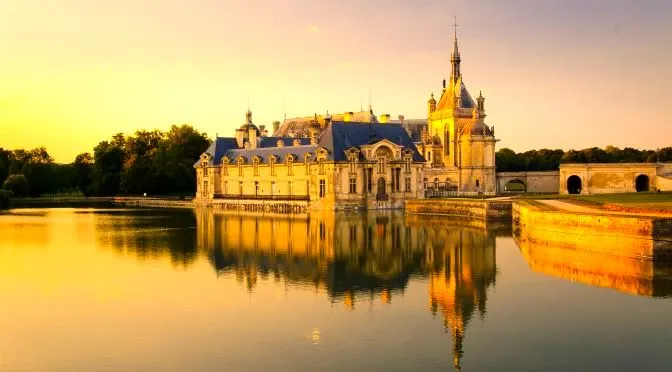
Rahasia di Balik Banyaknya Kastil Perkasa di Negeri Api

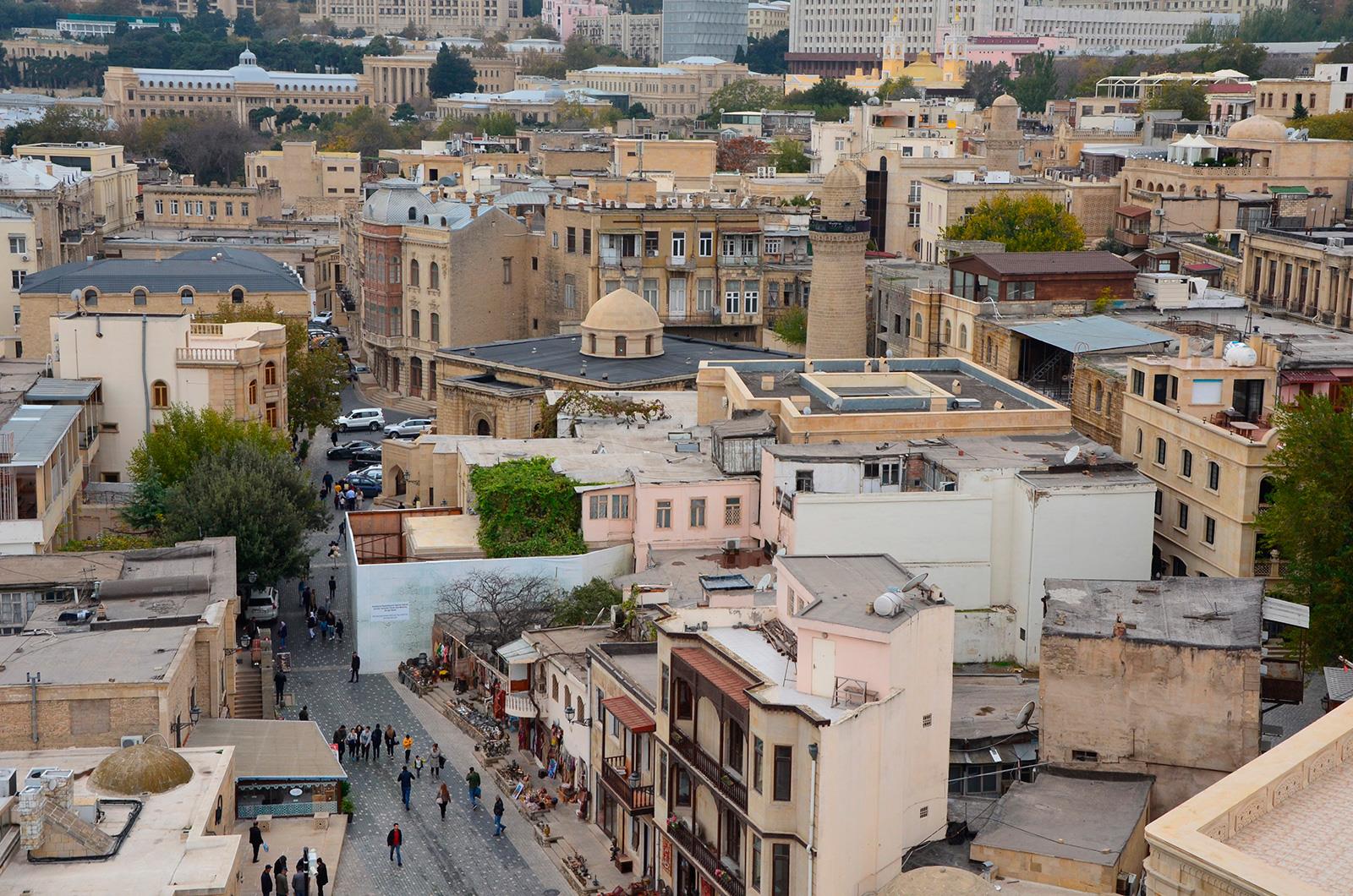
nightglow.info – Sejak berabad-abad lalu, para penguasa di Negeri Api terus bertarung demi kekuasaan dan kendali wilayah. Mereka membangun kastil serta benteng untuk menghadapi ancaman yang datang dari luar maupun dalam. Persaingan antar kerajaan tidak pernah surut. Karena itu, benteng menjadi alat utama untuk menunjukkan dominasi dan mempertahankan wilayah. Hampir setiap wilayah strategis dipenuhi struktur pertahanan ini, mencerminkan sejarah panjang yang penuh gejolak.

Letak Strategis yang Mengundang Perebutan

Negeri Api terletak di jalur perdagangan yang penting dan dikelilingi oleh pegunungan berapi aktif. Lokasi ini memberikan keuntungan besar, namun juga memicu ketegangan. Banyak kerajaan asing mencoba merebut wilayah ini karena sumber daya alamnya melimpah. Untuk mencegah invasi, para penguasa lokal segera membangun benteng di sepanjang celah gunung dan tepian sungai. Dengan demikian, mereka bisa mengontrol lalu lintas perdagangan sekaligus memperkuat pertahanan.

Inovasi Militer yang Terus Berkembang

Di tengah ancaman yang terus berdatangan, para arsitek dan insinyur lokal tidak tinggal diam. Mereka merancang kastil dengan sistem pertahanan berlapis. Misalnya, mereka menambahkan menara pengawas, gerbang baja, hingga lorong bawah tanah. Selain itu, mereka juga menggunakan batu vulkanik sebagai bahan utama, yang terbukti tahan terhadap serangan. Berkat strategi ini, benteng di Negeri Api mampu bertahan dari berbagai serangan besar.

Identitas Budaya yang Mengakar

Masyarakat Negeri Api tidak hanya melihat kastil sebagai bangunan militer. Mereka juga menjadikannya sebagai pusat kehidupan sosial dan budaya. Di halaman kastil, warga mengadakan upacara adat, pelatihan militer, dan festival rakyat. Oleh karena itu, setiap benteng memiliki nilai simbolis yang tinggi. Mereka merasa bangga dan terikat dengan warisan leluhur yang telah membangun struktur tersebut.

Sumber Ekonomi Baru dari Warisan Lama

Seiring berjalannya waktu, ketegangan mulai mereda. Pemerintah daerah dan komunitas lokal mulai memanfaatkan bonus new member kastil sebagai destinasi wisata sejarah. Mereka membuka jalur wisata, mengadakan pertunjukan budaya, dan mengelola museum di dalam benteng. Akibatnya, ekonomi lokal pun tumbuh. Banyak warga kini bekerja sebagai pemandu, pengrajin suvenir, dan pelaku usaha kuliner di sekitar area wisata. Maka, warisan yang dulunya dibangun untuk bertahan dari perang kini justru menghidupi masyarakat secara damai.
Cotopaxi: A Majestic Andean Volcano

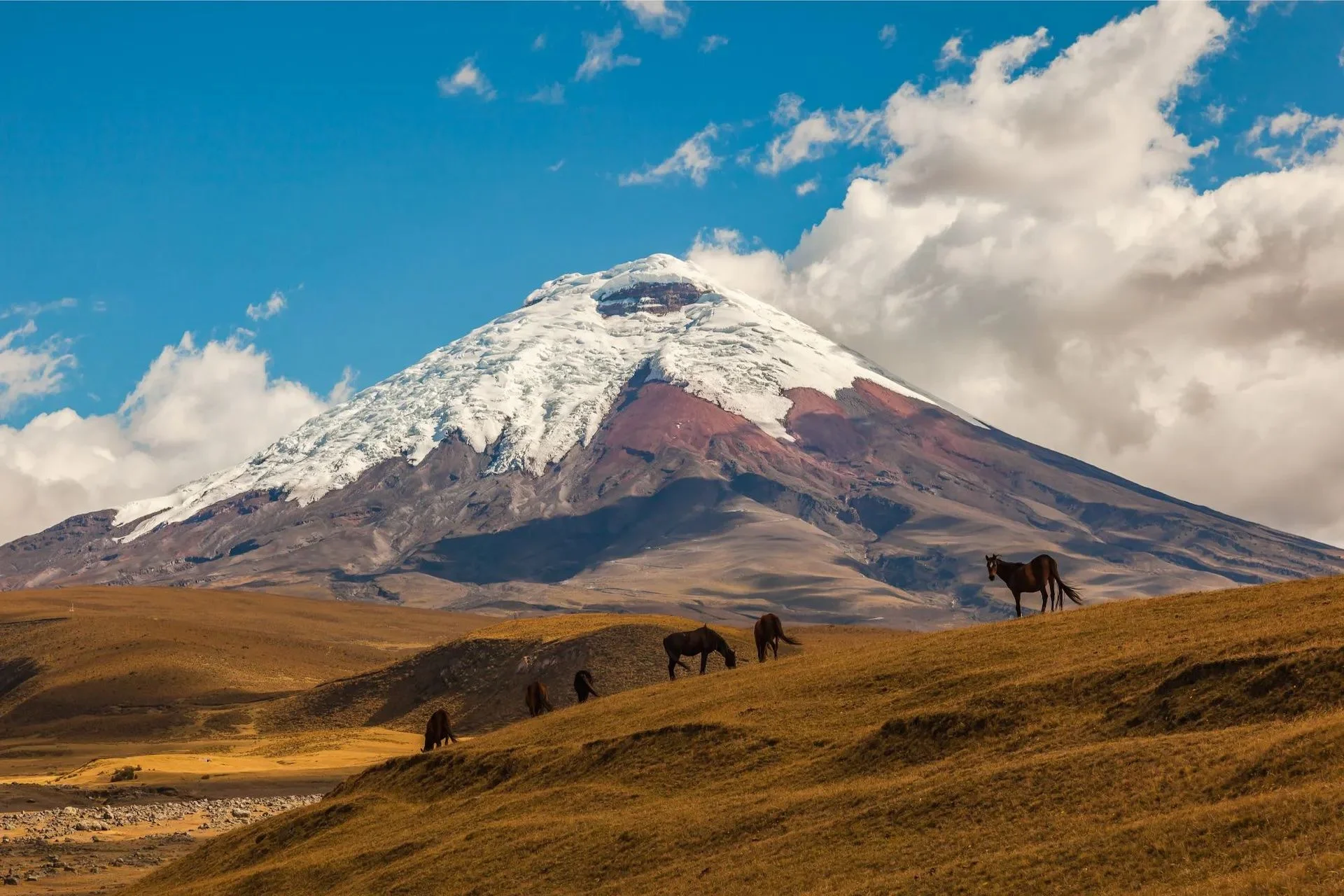
nightglow.info – Cotopaxi, a stratovolcano in the Andes Mountains of Ecuador, is one of the highest active volcanoes in the world. Its symmetrical cone, capped with a pristine glacier, is a breathtaking sight that draws adventurers and nature enthusiasts from around the globe.   

A Force of Nature

Cotopaxi has a long history of eruptions, some of which have been devastating. Its most recent eruption occurred in 2015, spewing ash and lava and prompting evacuations in nearby towns. Despite its explosive power, the volcano remains a popular destination for those seeking adventure and natural beauty.   

A Paradise for Outdoor Enthusiasts

The area surrounding Cotopaxi National Park offers a diverse range of outdoor activities. Hiking trails lead through stunning landscapes, from lush páramo grasslands to glacial valleys. Experienced climbers can attempt to summit the volcano, a challenging but rewarding endeavor. For those who prefer a more leisurely experience, there are opportunities for horseback riding, mountain biking, and birdwatching.   

A Glimpse into the Past

The region around Cotopaxi has a rich cultural heritage, with evidence of human settlement dating back thousands of years. Indigenous communities, such as the Quichua, have lived in harmony with the volcano for centuries, incorporating it into their spiritual beliefs and traditions. Visitors can learn about the history and culture of the region at local museums and cultural centers.

A Commitment to Conservation

Cotopaxi National Park is dedicated to protecting the volcano and its surrounding ecosystems. The park’s rangers work tirelessly to monitor volcanic activity, maintain trails, and educate visitors about the importance of conservation. By supporting responsible tourism and respecting the natural environment, visitors can help ensure the preservation of this iconic landmark for future generations.   

Cotopaxi is a testament to the power and beauty of nature. Its majestic peak, its diverse ecosystems, and its rich cultural heritage make it a truly unforgettable destination. Whether you’re an experienced adventurer or a casual traveler, Cotopaxi offers something for everyone.

South Denmark: A Land of Natural Beauty & Historical Charm

nightglow.info – South Denmark, or Syddanmark, is a region in southern Denmark known for its stunning natural beauty, rich history, and vibrant culture. With its picturesque landscapes, charming towns, and bustling cities, South Denmark offers something for everyone.

A Coastal Paradise

The region boasts a beautiful coastline along the Baltic Sea, with sandy beaches, quaint fishing villages, and historic seaside towns. The island of Funen, known as the “Garden of Denmark,” is a popular destination for nature lovers, with its rolling hills, lush forests, and picturesque castles.

Historic Cities and Towns

South Denmark is home to several historic cities and towns, each with its own unique character. Odense, the birthplace of Hans Christian Andersen, is a charming city with a rich cultural heritage. The city is home to the Hans Christian Andersen Museum, which offers visitors a glimpse into the life and works of the beloved author.

Another notable city is Kolding, known for its historic castle and beautiful gardens. Koldinghus Castle is one of the largest and best-preserved Renaissance castles in Denmark, and it offers visitors a fascinating glimpse into the country’s past.

A Culinary Delight

South Denmark is a foodie’s paradise, with a wide variety of restaurants and cafes offering everything from traditional Danish cuisine to international delicacies. The region is particularly famous for its fresh seafood, which is sourced directly from the Baltic Sea.

A Cultural Hub

South Denmark is a cultural hub, with a thriving arts and music scene. The region hosts numerous festivals and events throughout the year, including music festivals, art exhibitions, and historical reenactments. The Odense International Film Festival is one of the most prestigious film festivals in Denmark.

Outdoor Adventures

For outdoor enthusiasts, South Denmark offers a wide range of activities, including hiking, biking, kayaking, and sailing. The region’s numerous forests, lakes, and rivers provide ample opportunities for nature lovers to explore and relax.

A Warm Welcome

The people of South Denmark are known for their warm hospitality and friendly demeanor. Visitors to the region can expect a warm welcome and a memorable experience.

Key Attractions in South Denmark:

  • Odense: The birthplace of Hans Christian Andersen
  • Koldinghus Castle: A historic Renaissance castle
  • Funen: The “Garden of Denmark”
  • The Baltic Sea Coast: Beautiful beaches and coastal towns
  • Egeskov Castle: A stunning Renaissance castle

Conclusion

South Denmark is a region that offers a unique blend of history, culture, and natural beauty. Whether you’re interested in exploring historic sites, indulging in 1 delicious food, or simply relaxing on the beach, South Denmark has something for everyone.

Hovedstaden: The Vibrant Heart of Denmark

nightglow.info – Hovedstaden, or the Capital Region of Denmark, is a dynamic and diverse region that encapsulates the very essence of Denmark. As the country’s political, economic, and cultural hub, it boasts a rich history, stunning architecture, world-class museums, and a thriving arts scene.

Copenhagen: The Crown Jewel of Scandinavia

At the heart of Hovedstaden lies Copenhagen, a city that seamlessly blends old-world charm with modern sophistication. Its picturesque canals, historic buildings, and vibrant neighborhoods create an unforgettable atmosphere.

  • Nyhavn: This colorful harbor is a popular tourist destination, lined with brightly painted 17th-century townhouses and bustling with boats and cafes.
  • Amalienborg Palace: The winter residence of the Danish royal family, this elegant palace complex is a sight to behold.
  • Tivoli Gardens: One of the world’s oldest amusement parks, Tivoli offers thrilling rides, beautiful gardens, and enchanting entertainment.
  • Rosenborg Castle: This Renaissance castle houses the Danish Crown Jewels and offers a glimpse into the history of the Danish monarchy.

Beyond Copenhagen: Exploring the Region

While Copenhagen is undoubtedly the star attraction, Hovedstaden has much more to offer. The region is home to several charming towns and villages, each with its own unique character.

  • Helsingør: Known for its historic Kronborg Castle, the inspiration for Shakespeare’s “Hamlet.”
  • Roskilde: A historic city with a beautiful cathedral and Viking Ship Museum.
  • Frederiksborg Castle: A magnificent Renaissance castle surrounded by stunning gardens.
  • Bornholm: A picturesque island in the Baltic Sea, known for its stunning beaches, charming villages, and unique rock formations.

A Hub of Innovation and Sustainability

Hovedstaden is not only a cultural and historical gem but also a thriving center for innovation and sustainability. The region is home to world-renowned universities, research institutions, and cutting-edge technology companies. Copenhagen is particularly known for its commitment to sustainable urban development and green initiatives.

A Culinary Delight

Danish cuisine is renowned for its simplicity and emphasis on fresh, high-quality ingredients. Hovedstaden offers a diverse culinary scene, from Michelin-starred restaurants to cozy local eateries. Be sure to try traditional Danish dishes like smørrebrød (open-faced sandwiches), rødgrød med fløde (red berry porridge with cream), and wienerbrød (Danish pastries).

A Warm Welcome

The people of Hovedstaden are known for their friendliness and hospitality. Whether you’re exploring the city’s historic sights, indulging in its culinary delights, or simply enjoying a leisurely stroll, you’ll be sure to experience the warmth and charm of Danish culture.

Hauts-de-France: A Land of History and Industry

nightglow.info – Hauts-de-France, a region in northern France, is a captivating blend of history, culture, and industry. From the medieval charm of Amiens to the bustling port city of Calais, the region offers a diverse range of experiences for visitors.

A Rich Historical Heritage

  • Amiens: The capital of the region, Amiens is a historic city with a beautiful Gothic cathedral, one of the largest in Europe.
  • Lille: A vibrant city with a rich cultural heritage, Lille is known for its art, architecture, and festivals.
  • Arras: A historic city with a well-preserved medieval center, Arras is famous for its World War I memorials.

Industrial Heart of France

Hauts-de-France is one of the most industrialized regions in France. The region’s industries include textiles, automotive, and aerospace.

Natural Beauty

Despite its industrial heritage, Hauts-de-France offers a variety of stunning landscapes, including beaches, forests, and wetlands.

  • The Opal Coast: This beautiful coastline, stretching from Calais to Le Touquet-Paris-Plage, is a popular destination for beach lovers.
  • The Parc naturel régional des Caps et Marais d’Opale: This natural park offers a variety of landscapes, including cliffs, marshes, and forests.

Gastronomic Delights

Hauts-de-France is a foodie’s paradise, with a rich culinary tradition. Some of the region’s most famous dishes include:

  • Welsh: A savory tart made with leeks, bacon, and cream.
  • Carbonnade flamande: A hearty beef stew with beer and onions.
  • Frites: French fries, which are said to have originated in the region.

A Year-Round Destination

Hauts-de-France is a year-round destination, offering a variety of activities for visitors. In the summer, visitors can enjoy the region’s beaches and outdoor activities. In the winter, the region’s Christmas markets are a popular attraction.

Zhangjiajie National Forest Park: A Natural Wonder

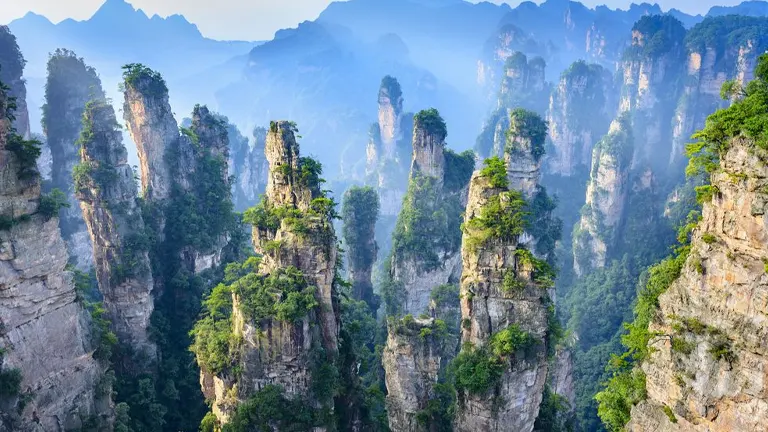
nightglow.info – Nestled in the northwest of Hunan Province in China, Zhangjiajie National Forest Park is a mesmerizing expanse of lush landscapes and towering sandstone pillars. As the first national forest park in China, established in 1982, it has become a must-visit destination for nature lovers and adventurers alike. The park is part of the larger Wulingyuan Scenic Area, a UNESCO World Heritage Site, and offers breathtaking views and unique geological formations.

Geological Marvels

Iconic Sandstone Pillars

The park is renowned for its striking sandstone pillars, which rise majestically from the forest floor. These natural formations have been sculpted over millions of years by physical erosion and chemical weathering. The most famous of these is the “Avatar Hallelujah Mountain,” named after its inspiration for the floating mountains in the film “Avatar.”

Diverse Ecosystems

Zhangjiajie National Forest Park is a biodiversity hotspot, home to a wide variety of plant and animal species. The park’s unique microclimate supports a range of ecosystems, from dense forests to subtropical zones. Visitors can observe rare species like the Chinese giant salamander and a variety of birdlife.

Attractions and Activities

Glass Bridge

One of the park’s most thrilling attractions is the Zhangjiajie Glass Bridge, which spans the Zhangjiajie Grand Canyon. As the world’s longest and highest glass bridge, it offers stunning views and an adrenaline-pumping experience for those daring enough to walk across its transparent floor.

Hiking Trails

For hiking enthusiasts, Zhangjiajie offers numerous trails that meander through its stunning landscapes. The Golden Whip Stream and the Yuanjiajie Scenic Area are popular routes that provide breathtaking views and encounters with the park’s unique flora and fauna.

Cultural Significance

Tujia and Miao Heritage

The region surrounding Zhangjiajie is rich in the culture and traditions of the Tujia and Miao ethnic minorities. Visitors can learn about these communities through their distinctive architecture, traditional music, and vibrant festivals.

Conclusion

Zhangjiajie National Forest Park is a natural wonder that captivates with its towering sandstone pillars, diverse ecosystems, and cultural heritage. Whether you’re seeking adventure or tranquility, this park offers an unforgettable experience that highlights the beauty and diversity of China’s natural landscapes.

Houston’s Art Scene: A Canvas of Creativity

nightglow.info – Houston, Texas, often recognized for its space exploration, energy industry, and diverse culinary landscape, is also home to a vibrant and ever-growing art scene. Often described as a hidden gem, Houston’s art community is a fusion of creativity, innovation, and cultural diversity. From world-class museums to dynamic street art, the city’s art scene is a testament to the creative spirit that thrives in this sprawling metropolis.

A Rich Tapestry of Art Institutions

Houston boasts an impressive array of art institutions that cater to every taste and interest. The Museum District is home to the renowned Museum of Fine Arts, Houston, which houses an expansive collection of over 70,000 works spanning from ancient to modern times. The Menil Collection, another cornerstone of Houston’s art scene, offers an intimate setting to explore a diverse range of art, including surrealist works and contemporary exhibitions.

Nurturing Local Talent

Beyond the traditional institutions, Houston is a nurturing ground for local artists and creatives. Organizations like Project Row Houses in the historic Third Ward community are dedicated to empowering artists and fostering creativity through innovative public art projects and exhibitions. This community-based art collective has become a model for how art can be used as a tool for social transformation and community engagement.

A Hub for Public and Street Art

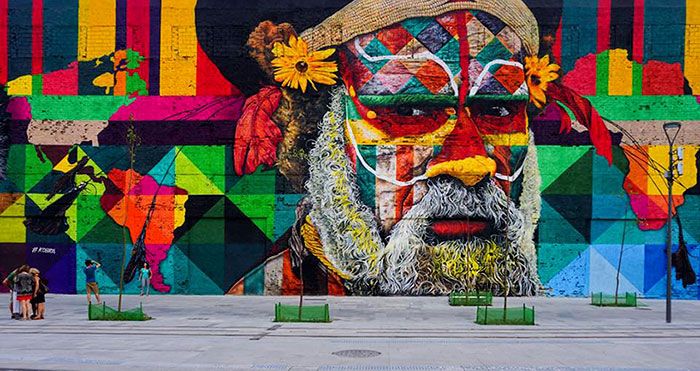
Houston’s streets are a canvas for bold and expressive street art, with colorful murals adorning neighborhoods across the city. The iconic Houston Graffiti Building is a favorite spot for both local and international street artists to showcase their work. Each mural tells a story, often reflecting the cultural and social issues relevant to the community.

Festivals and Events

The city’s art scene is further energized by numerous festivals and events that celebrate creativity in all its forms. The Bayou City Art Festival, one of the nation’s premier outdoor fine art festivals, attracts artists and art lovers from around the world. Meanwhile, the Houston Art Car Parade, the largest of its kind, showcases the city’s whimsical and imaginative spirit, with art cars parading through the streets in a spectacle of creativity.

Conclusion

Houston’s art scene is a dynamic and inclusive space that celebrates diversity and creativity. Whether you’re a seasoned art aficionado or a curious newcomer, Houston offers a rich tapestry of artistic experiences that are sure to inspire and delight. As the city continues to grow and evolve, so too does its art scene, solidifying Houston’s place as a major cultural hub in the United States.

Perkembangan Teknologi dan Startup di Kamboja

nightglow Kamboja telah mengalami transformasi signifikan dalam beberapa tahun terakhir, terutama dalam bidang teknologi dan startup. Dengan pertumbuhan ekonomi yang stabil dan populasi muda yang semakin terampil, Kamboja mulai menarik perhatian investor dan entrepreneur dari seluruh dunia.

1. Ekosistem Startup yang Berkembang

Dalam beberapa tahun terakhir, ekosistem startup di Kamboja telah berkembang pesat. Berbagai inisiatif telah diluncurkan untuk mendukung para pengusaha, termasuk inkubator bisnis, akselerator, dan program pendanaan. Salah satu contoh yang menonjol adalah Techo Startup Center, yang didirikan oleh pemerintah Kamboja untuk memberikan dukungan kepada startup lokal. Program ini bertujuan untuk memberikan pelatihan, sumber daya, dan jaringan yang diperlukan bagi para pendiri untuk mengembangkan ide mereka.

2. Inovasi Teknologi dan Digitalisasi

Digitalisasi menjadi fokus utama dalam pengembangan teknologi di Kamboja. Pemerintah Kamboja mengeluarkan kebijakan untuk mendorong penggunaan teknologi informasi dan komunikasi (TIK) di berbagai sektor, termasuk pendidikan, kesehatan, dan keuangan. Misalnya, aplikasi mobile banking dan dompet digital semakin populer di kalangan masyarakat, memberikan akses lebih mudah kepada layanan keuangan.

Startup teknologi seperti Nham24 (layanan pengantaran makanan) dan BookMeBus (platform pemesanan tiket bus) telah berhasil menjawab kebutuhan konsumen yang semakin meningkat akan layanan yang lebih efisien dan cepat. Inovasi ini tidak hanya mempermudah akses masyarakat terhadap berbagai layanan, tetapi juga menciptakan lapangan kerja baru.

3. Perhatian Internasional dan Investasi

Kamboja menarik perhatian investor internasional, terutama dalam sektor teknologi. Banyak perusahaan venture capital yang mulai melihat potensi pasar Kamboja sebagai tempat yang menjanjikan untuk berinvestasi. Selain itu, sejumlah konferensi dan acara teknologi internasional diadakan di Kamboja, yang mempertemukan para pengusaha, investor, dan pemangku kepentingan untuk berbagi pengalaman dan menjajaki peluang bisnis.

4. Tantangan yang Dihadapi

Meskipun perkembangan yang signifikan, Kamboja masih menghadapi sejumlah tantangan dalam pengembangan ekosistem teknologi dan startup. Infrastruktur yang terbatas, kurangnya keterampilan teknis di kalangan tenaga kerja, dan regulasi yang belum sepenuhnya mendukung inovasi menjadi kendala yang harus diatasi. Pemerintah Kamboja terus berupaya untuk memperbaiki kondisi ini dengan memperkenalkan kebijakan yang lebih mendukung dan meningkatkan akses pendidikan di bidang teknologi.

5. Masa Depan yang Cerah

Melihat perkembangan yang terjadi, masa depan teknologi dan startup di slot kamboja gacor tampak cerah. Dengan populasi muda yang memiliki minat tinggi dalam teknologi, serta dukungan dari pemerintah dan investor, Kamboja berpotensi menjadi salah satu pusat inovasi di Asia Tenggara. Jika tantangan yang ada dapat diatasi, Kamboja bisa menjadi tempat yang subur bagi pengusaha dan startup untuk berkembang.

Perkembangan teknologi dan startup di Kamboja menunjukkan bahwa negara ini berada di jalur yang tepat untuk menjadi salah satu pemain utama di kawasan Asia Tenggara. Dengan ekosistem yang terus berkembang dan dukungan dari berbagai pihak, Kamboja memiliki potensi besar untuk menarik lebih banyak investasi dan menciptakan inovasi yang bermanfaat bagi masyarakat.

Germany: A Strong Industrial & Export-Oriented Economy

nightglow.info – Germany is renowned for its robust industrial base and export-oriented economy, which has been a cornerstone of its economic success for decades. This article delves into the key aspects of Germany’s industrial and export-driven economic model, highlighting its strengths, challenges, and future prospects.

The Industrial Backbone

Germany’s industrial sector is a significant contributor to its economy, accounting for a substantial portion of its GDP. The country is home to several world-renowned industries, including automotive, mechanical engineering, chemical, and electrical engineering. These sectors not only drive domestic economic growth but also play a crucial role in Germany’s export performance.

Key Industries

  1. Automotive Industry: Germany is a global leader in automotive manufacturing, with brands like Volkswagen, BMW, and Mercedes-Benz dominating the market. The automotive sector is highly integrated into the global supply chain, making it a critical component of Germany’s export strategy.
  2. Mechanical Engineering: This sector is another pillar of Germany’s industrial strength, encompassing a wide range of products from precision tools to heavy machinery. The industry’s focus on innovation and quality has made German mechanical engineering products highly sought after globally.
  3. Chemical Industry: Germany’s chemical industry is one of the largest in the world, producing a variety of products from pharmaceuticals to plastics. The industry’s emphasis on research and development (R&D) has been instrumental in maintaining its competitive edge.
  4. Electrical Engineering: This sector includes the production of electrical equipment, electronics, and information technology products. Germany’s expertise in this field has been pivotal in driving technological advancements and maintaining a strong export position.

Export-Oriented Economy

Germany’s economy is highly export-oriented, with exports accounting for a significant portion of its GDP. This export-driven model has been a key factor in Germany’s economic success, allowing it to benefit from global trade and maintain a strong trade surplus.

Export Performance

  • Global Trade: Germany is one of the world’s largest exporters, with a diverse range of products sold in international markets. The country’s exports include machinery, vehicles, chemicals, and electrical products, among others.
  • Trade Surplus: Historically, Germany has maintained a strong trade surplus, which has been a source of economic stability. However, recent challenges such as global trade tensions and supply chain disruptions have impacted this surplus.

Challenges and Risks

Despite its strengths, Germany’s export-oriented economy faces several challenges:

  1. Global Trade Tensions: The rise of protectionism and trade wars have created uncertainties in global markets, affecting Germany’s export performance. The country’s heavy reliance on international trade makes it vulnerable to external economic shocks.
  2. Supply Chain Disruptions: Events such as the COVID-19 pandemic and geopolitical conflicts have disrupted global supply chains, impacting Germany’s ability to export goods efficiently.
  3. Technological Advancements: Rapid technological changes and the emergence of new competitors pose risks to traditional German industries. The country needs to continuously innovate and adapt to stay competitive.

Future Prospects

To address these challenges and ensure long-term economic stability, Germany is focusing on several strategic initiatives:

  1. Innovation and R&D: Investing in research and development to foster innovation and maintain a competitive edge in key industries. This includes support for emerging technologies such as artificial intelligence and renewable energy.
  2. Diversification: Diversifying export markets to reduce dependency on a few major trading partners. This strategy aims to mitigate the risks associated with global trade tensions and economic fluctuations.
  3. Sustainability: Embracing sustainable practices and transitioning to a green economy. This includes investing in renewable energy and promoting eco-friendly technologies to align with global environmental goals.

Conclusion

Germany’s industrial and export-oriented economy remains a powerhouse, driven by its strong manufacturing base and global trade relationships. While facing significant challenges, the country’s commitment to innovation, diversification, and sustainability positions it well for future growth. As Germany continues to adapt to a changing global landscape, its economic resilience and strategic foresight will be crucial in maintaining its position as a leading industrial and export-oriented economy.

Somalia: A Nation in Turmoil and Poverty

nightglow.info – Somalia, a country located in the Horn of Africa, has long been grappling with extreme poverty, conflict, and political instability. This article delves into the multifaceted challenges that have plagued Somalia, examining the root causes and the ongoing efforts to address them.

The Extent of Poverty

Somalia ranks among the poorest countries in the world, with more than 60% of its population living in severe poverty. This high poverty rate is exacerbated by widespread unemployment and tribal conflicts, which have further destabilized the nation. The country’s poverty profile is grim, with nearly 70% of the population earning less than $2.15 a day, making it one of the most impoverished regions in Africa.

Conflict and Political Instability

The political landscape in Somalia is marked by deep-seated conflicts and instability. The country has been embroiled in civil war and political fragmentation for decades, which has hindered its development and economic growth. The recent political turmoil, including the controversial extension of the president’s term, has further exacerbated the situation, raising concerns about the potential for violence and instability.

Impact of Natural Disasters

Somalia has been repeatedly hit by natural disasters, including droughts and floods, which have had devastating effects on its population. The ongoing drought, the worst in over 40 years, has led to a severe food crisis, with millions of people facing acute food insecurity. The drought has also resulted in the death of millions of livestock, further crippling the agricultural sector.

Economic Challenges

The economic situation in Somalia is dire, with the country heavily reliant on imports, particularly for essential commodities like wheat. The conflict in Ukraine has sent food prices skyrocketing, making it even more difficult for Somalis to afford basic necessities. The lack of economic diversification and the absence of a robust infrastructure have compounded the economic challenges, making it difficult for the country to recover from shocks.

Humanitarian Crisis

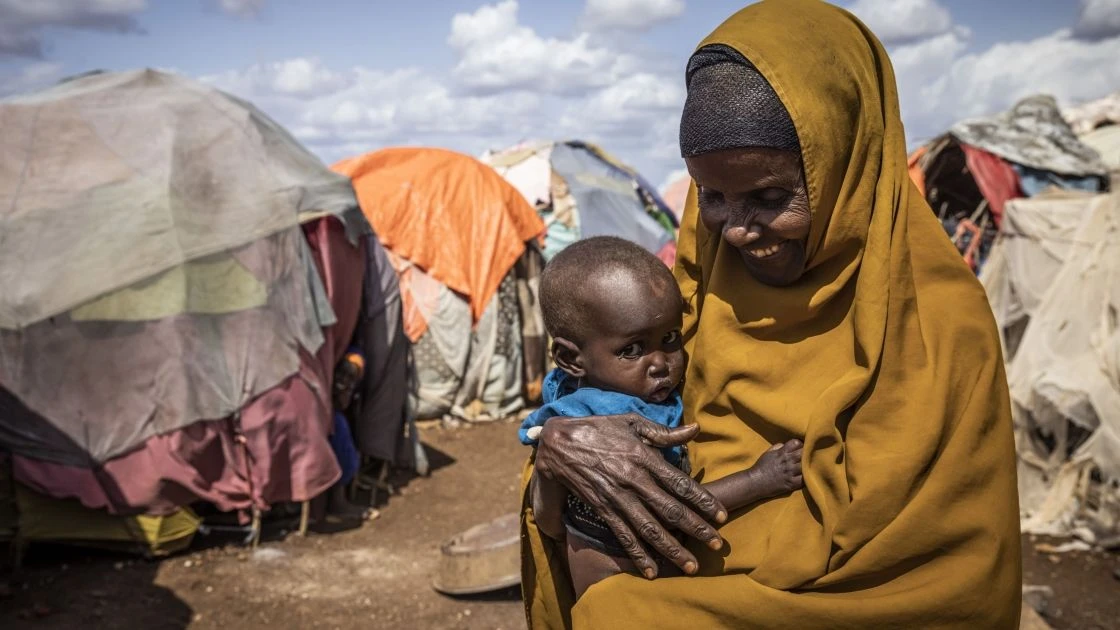
The humanitarian crisis in Somalia is profound, with millions of people displaced and in need of urgent assistance. The lack of access to basic services such as healthcare, education, and clean water has further deepened the crisis. The situation is particularly dire for internally displaced persons (IDPs), who face severe hardships and limited access to essential services.

Efforts for Recovery and Development

Despite the numerous challenges, there are ongoing efforts to address the root causes of poverty and instability in Somalia. The Somali government, with the support of international organizations, is working on implementing economic reforms and policies aimed at reducing poverty and promoting sustainable development. The country has also made progress in rebuilding its economic governance institutions, which is crucial for long-term stability and growth.

Conclusion

Somalia’s journey towards recovery and development is fraught with challenges, but there is hope. With continued international support and the implementation of effective policies, Somalia can overcome its current crises and work towards a more stable and prosperous future. The resilience of the Somali people, combined with strategic interventions, can pave the way for a brighter tomorrow.

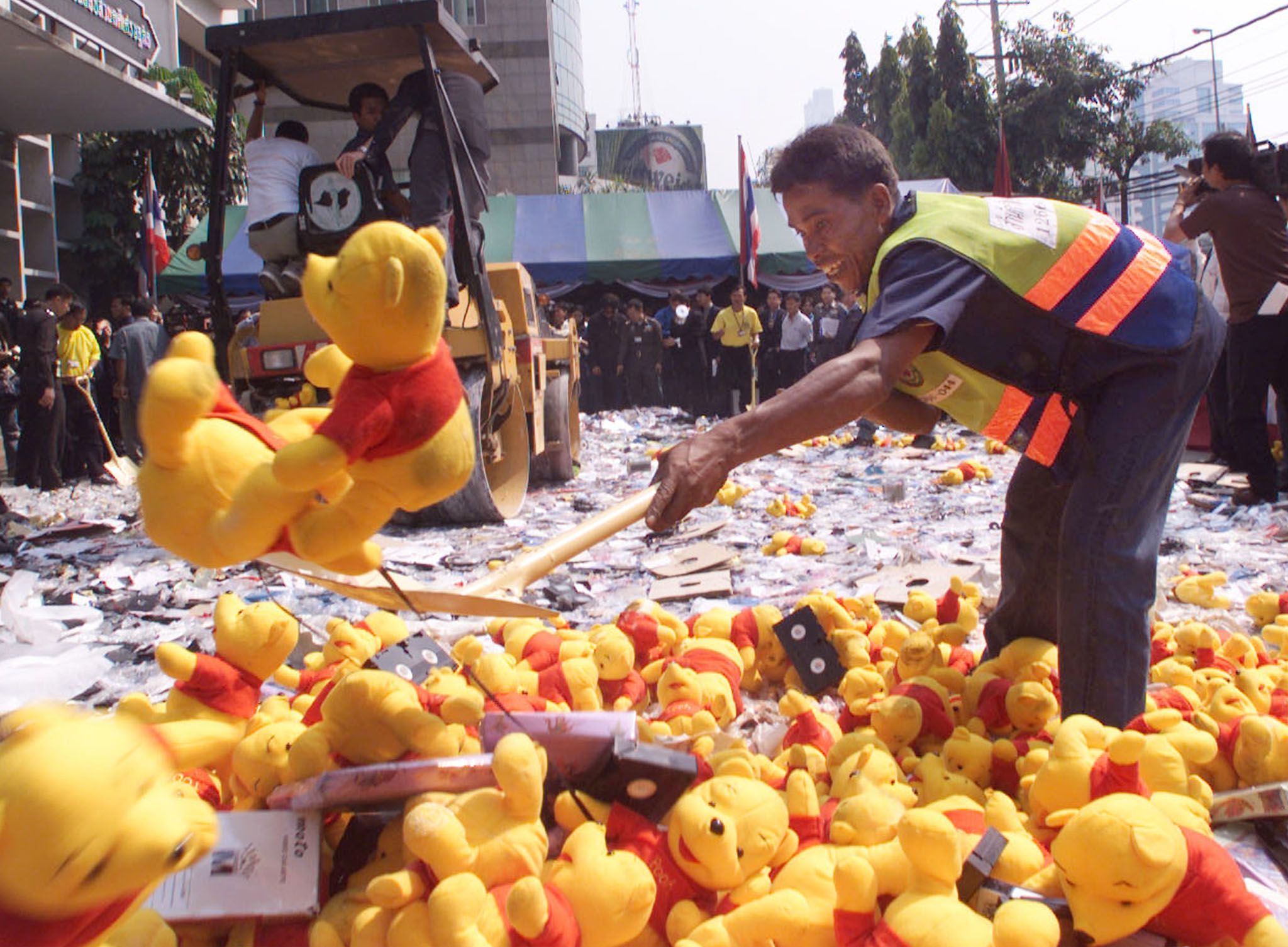
Poland Bans Winnie the Pooh from Schools & Playgrounds

nightglow.info – In a surprising move, the town of Tuszyn in central Poland has banned the beloved children’s character Winnie the Pooh from schools and playgrounds. The decision, made by local authorities, has sparked controversy and debate both within Poland and internationally.

Reasons for the Ban

The primary reasons cited for the ban are Winnie the Pooh’s lack of trousers and what some officials describe as his “dubious sexuality.” The town council argues that these aspects of the character do not meet the appropriate standards of decorum expected in educational environments.

Lack of Trousers

One of the main concerns is Winnie the Pooh’s attire, or rather, his lack thereof. The character is often depicted without pants, which some school counselors and town officials believe sets a poor example for children.

Dubious Sexuality

Another point of contention is Winnie the Pooh’s ambiguous gender. Some critics argue that the character’s gender identity is unclear, which they believe could be confusing or inappropriate for young children.

Public Reaction

The ban has received mixed reactions from the public. Some parents and educators support the decision, believing it is necessary to maintain proper standards in schools and playgrounds. Others, however, argue that the ban is an overreaction and that Winnie the Pooh is a harmless and beloved character that has been enjoyed by children for generations.

Conclusion

The ban on Winnie the Pooh in Tuszyn highlights the ongoing debates about appropriate content and standards in children’s entertainment. While the decision has sparked controversy, it also raises important questions about the role of authority in shaping children’s experiences and the balance between protecting children and allowing them to enjoy their favorite characters.

This incident serves as a reminder of the complex issues surrounding children’s media and the diverse perspectives on what is considered appropriate for young audiences.

A Critical Review: CIA’s Impact on International Relations

nightglow.info – The Central Intelligence Agency (CIA) has been a pivotal player in international relations since its inception in 1947. As the primary foreign intelligence service of the United States, the CIA has significantly influenced global politics, economics, and security through its covert and overt operations. This article critically reviews the CIA’s impact on international relations, examining its roles in shaping foreign policy, fostering alliances, and navigating conflicts.

The CIA’s Role in Shaping Foreign Policy

The CIA plays a crucial role in informing and shaping U.S. foreign policy. Through its intelligence gathering and analysis, the agency provides policymakers with critical information about foreign governments, military capabilities, and political movements. This intelligence has often been instrumental in decision-making processes, influencing diplomatic strategies, military interventions, and economic sanctions.

Fostering Alliances and Countering Threats

The CIA has been instrumental in fostering alliances with foreign governments and countering threats from adversaries. By engaging in covert operations, the agency has supported friendly regimes, undermined hostile governments, and neutralized perceived threats to national security. These activities have had profound effects on international relations, sometimes strengthening alliances but also leading to tensions and conflicts.

Controversial Operations and Their Consequences

Several CIA operations have been highly controversial, sparking international outrage and affecting diplomatic relations. Examples include the overthrow of democratically elected governments, support for authoritarian regimes, and involvement in torture and rendition programs. These actions have tarnished the U.S. image abroad and complicated its international engagements.

The CIA and Global Conflicts

The CIA has been deeply involved in various global conflicts, often operating behind the scenes to influence outcomes. From the Cold War to the War on Terror, the agency has conducted covert operations, supported insurgencies, and engaged in psychological warfare. These activities have had mixed results, sometimes contributing to stability but also fueling proxy wars and humanitarian crises.

The Impact on International Law and Norms

The CIA’s operations have often challenged international law and norms, raising questions about the legality and morality of its actions. Issues such as sovereignty, human rights, and the use of force have been central to these debates. The agency’s secretive nature and the lack of transparency have further complicated its relationship with international legal frameworks.

Conclusion

The CIA’s impact on international relations is profound and multifaceted. While the agency has undoubtedly contributed to U.S. national security and global stability in some instances, its controversial operations have also led to significant challenges and criticisms. As the world continues to navigate an increasingly complex international landscape, the CIA’s role and its implications for international relations remain a subject of critical scrutiny and debate.

The Education System in Montenegro: Challenges & Progress

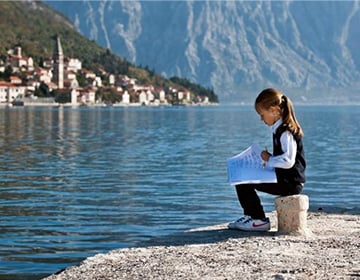
nightglow.info – The education system in Montenegro has undergone significant transformations since the country gained independence in 2006. While the government has made commendable efforts to improve the quality of education and align it with European standards, the system still faces various challenges. This article provides an analysis of Montenegro’s educational system, highlighting both the progress made and the ongoing challenges.

Overview of the Education System

Montenegro’s education system is structured into pre-primary, primary, secondary, and tertiary levels. The Ministry of Education, Science, Culture, and Sports is responsible for the development and implementation of education policies. The system is characterized by its compulsory primary education, free education at all levels, and a curriculum that aims to promote critical thinking and lifelong learning.

Progress in the Education System

Curriculum Reforms

Since independence, Montenegro has undertaken several curriculum reforms to modernize its education system. These reforms have focused on incorporating digital literacy, environmental education, and civic education into the curriculum. The aim is to equip students with the skills necessary for the 21st century and to foster a sense of responsibility towards society and the environment.

Infrastructure Improvements

The government has invested in improving school infrastructure, including the construction of new facilities and the renovation of existing ones. These efforts have helped to create a more conducive learning environment for students across the country.

Teacher Training and Professional Development

Recognizing the importance of qualified educators, Montenegro has implemented programs for teacher training and professional development. These initiatives aim to enhance teachers’ pedagogical skills and their ability to use modern teaching methods and technologies.

Challenges in the Education System

Limited Resources

One of the main challenges facing Montenegro’s education system is limited financial resources. The government’s budget for education is constrained, which affects the quality of education provided. This limitation is particularly evident in rural areas, where schools often lack adequate facilities and resources.

Brain Drain

Montenegro, like many other countries, faces the issue of brain drain. Many educated individuals, including teachers and professionals, leave the country in search of better opportunities abroad. This emigration of skilled workers can have a detrimental impact on the education system and the country’s development as a whole.

Educational Inequality

Despite efforts to provide equal access to education, there are still disparities in the quality of education between urban and rural areas. Students in rural areas often have less access to qualified teachers, modern teaching materials, and extracurricular activities. Addressing these disparities is crucial for ensuring that all students have the opportunity to succeed.

Conclusion

The education system in Montenegro has made notable progress since the country’s independence, with reforms aimed at modernizing the curriculum and improving infrastructure. However, challenges such as limited resources, brain drain, and educational inequality persist. Addressing these issues will require sustained efforts from the government, educational institutions, and international partners. By investing in education and ensuring equal access to quality learning opportunities, Montenegro can build a more knowledgeable and skilled workforce, essential for its future development and prosperity.

A Critical Analysis: Human Rights Issues in Croatia

nightglow.info – Croatia, a country with a rich history and cultural heritage, has made significant strides in its development since gaining independence in 1991. As a member of the European Union since 2013, Croatia is committed to upholding the values and standards of human rights enshrined in the EU Charter of Fundamental Rights. However, despite these commitments, several human rights issues persist within the country, warranting a critical analysis.

Discrimination and Equality

One of the critical human rights issues in Croatia is discrimination, particularly against the Roma community, LGBTQ+ individuals, and persons with disabilities. The Roma population faces systemic discrimination in employment, education, and housing, often living in segregated and substandard conditions. LGBTQ+ individuals also report high levels of discrimination and violence, with laws protecting their rights being inadequately enforced. Persons with disabilities encounter barriers to accessing justice, employment, and public services, highlighting the need for more inclusive policies.

Freedom of Expression and Assembly

Freedom of expression and assembly are fundamental human rights that have been challenged in Croatia. Journalists and activists often face legal and extralegal pressures when reporting on sensitive issues or organizing protests. The government’s control over public media and the lack of a freedom of information law raise concerns about media independence and transparency.

Women’s Rights

Women’s rights in Croatia have seen progress, but gender-based violence and inequality remain significant issues. Domestic violence is prevalent, and although legislation exists to protect victims, its implementation is inconsistent. The gender pay gap and underrepresentation of women in political and corporate leadership positions also indicate ongoing challenges in achieving gender equality.

Migrant and Refugee Rights

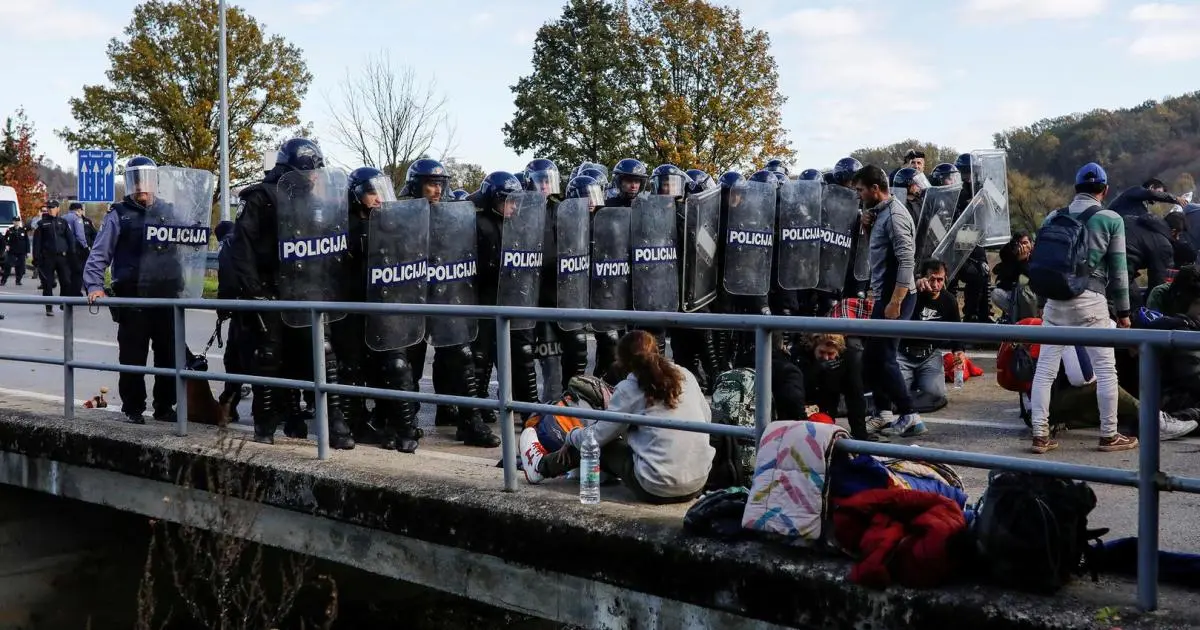
The treatment of migrants and refugees in Croatia has been a point of international scrutiny. Reports of pushbacks, violence, and inadequate living conditions at the border have raised concerns about the country’s compliance with international human rights standards. The need for a more humane and effective asylum system is evident.

Conclusion

While Croatia has made commendable efforts to align with European human rights standards, several critical issues persist. Addressing discrimination, ensuring freedom of expression and assembly, promoting women’s rights, and protecting migrant and refugee rights are essential steps toward a more inclusive and just society. The government, civil society, and international partners must work collaboratively to implement comprehensive reforms and uphold the human rights of all individuals in Croatia.

The Jihadist Insurgency in Burkina Faso: Impact & Response

nightglow.info – Burkina Faso, a landlocked country in West Africa, has been grappling with a growing jihadist insurgency that has escalated in recent years. This insurgency, fueled by various factors including regional instability, poverty, and governance issues, has had a profound impact on the country’s security, economy, and social fabric. This article examines the origins and nature of the jihadist insurgency in Burkina Faso, its impact on the country, and the response from both the government and international community.

Origins and Nature of the Insurgency

The roots of the jihadist insurgency in Burkina Faso can be traced back to the early 2010s, with the spread of jihadist groups from neighboring Mali. Groups such as Ansarul Islam, affiliated with al-Qaeda, and the Islamic State in the Greater Sahara (ISGS) have exploited local grievances and regional instability to gain a foothold in Burkina Faso.

Ideology and Tactics

The jihadist groups operating in Burkina Faso are driven by a mix of religious extremism and opposition to the state and its perceived secular values. They employ tactics such as ambushes, suicide bombings, and targeted assassinations to destabilize the government and spread fear among the population.

Impact of the Insurgency

The jihadist insurgency has had a devastating impact on Burkina Faso, affecting every aspect of life in the country.

Security and Humanitarian Crisis

The insurgency has led to a significant deterioration in security, with frequent attacks on military installations, civilians, and humanitarian workers. This has resulted in a large number of casualties and a humanitarian crisis, with hundreds of thousands of people displaced from their homes.

Economic Impact

The instability caused by the insurgency has had a severe impact on Burkina Faso’s economy. Agriculture, a mainstay of the economy, has been particularly hard hit, with farmers unable to cultivate their lands due to the insecurity. This has led to food shortages and increased poverty.

Social Fabric

The insurgency has also strained the social fabric of Burkina Faso, leading to communal tensions and a sense of insecurity among the population. The displacement of communities has disrupted social networks and traditional livelihoods, further exacerbating the crisis.

Response to the Insurgency

The Burkinabe government, along with the international community, has been working to address the jihadist insurgency through various initiatives.

Military Response

The Burkinabe military has launched several operations to counter the jihadist threat, with some success in reclaiming territory and reducing the frequency of attacks. However, these operations have also led to civilian casualties and further displacement, highlighting the challenges of military solutions.

Regional Cooperation

Burkina Faso is part of the G5 Sahel, a regional initiative aimed at addressing the security challenges in the Sahel region. This includes joint military operations and efforts to improve governance and economic development as part of a comprehensive approach to countering the insurgency.

International Support

The international community, including the United Nations, European Union, and individual countries, has provided support to Burkina Faso in the form of military assistance, training, and humanitarian aid. This support is crucial for addressing both the immediate security challenges and the underlying issues that fuel the insurgency.

Conclusion

The jihadist insurgency in Burkina Faso is a complex issue that requires a multifaceted response. While military action is necessary to address the immediate security threats, long-term solutions must focus on addressing the root causes of the insurgency, including poverty, governance issues, and regional instability. The collaboration between the Burkinabe government, regional partners, and the international community is essential for effectively countering the jihadist threat and restoring peace and stability in Burkina Faso.

The Red Sea Project: The Future of Tourism in Saudi Arabia

nightglow.info – Saudi Arabia, known historically for its oil wealth and conservative society, is undergoing a transformative journey that positions tourism as a cornerstone of its economic diversification strategy. Central to this vision is the ambitious Red Sea Project, a flagship development that promises to redefine luxury travel and ecotourism in the region. This article explores the potential of the Red Sea Project and its role in shaping the future of tourism in Saudi Arabia.

The Vision of the Red Sea Project

The Red Sea Project is a masterplan for a sustainable tourism destination that stretches across 28,000 square kilometers of pristine land and a crystal-clear waterfront. Located along the western coast of Saudi Arabia, the project is designed to be an ultra-luxury destination that offers unparalleled experiences in nature, culture, and wellness. The development is part of Saudi Arabia’s Vision 2030, aiming to attract millions of tourists and contribute significantly to the Kingdom’s economy.

Sustainable Development

One of the most striking features of the Red Sea Project is its commitment to sustainability. The development is designed to have a minimal environmental footprint, with plans to operate entirely on renewable energy and to preserve the natural beauty of the area. The project will feature a series of islands, desert landscapes, and mountain canyons, all of which will be protected and developed with the utmost respect for the environment. This approach not only ensures the preservation of the region’s unique ecosystems but also positions the Red Sea Project as a global leader in sustainable tourism.

Luxury and Diversity of Experiences

The Red Sea Project will offer a diverse range of experiences catering to different types of travelers. From luxury resorts and hotels to exclusive villas and eco-retreats, the development aims to provide an unparalleled level of comfort and service. Guests will have access to a variety of activities, including snorkeling and diving in the coral reefs, exploring ancient cultural sites, and enjoying wellness and spa treatments that incorporate local traditions and ingredients.

Economic and Social Impact

The economic potential of the Red Sea Project is vast. It is expected to create thousands of jobs directly and indirectly, contributing to the diversification of Saudi Arabia’s economy and reducing its dependence on oil. Moreover, the project is set to become a global tourism destination, attracting visitors from around the world and fostering a more open and welcoming image of Saudi Arabia.

Challenges and Opportunities

While the vision for the Red Sea Project is ambitious, its success will depend on overcoming several challenges. These include ensuring sustainable development practices, managing the impact of tourism on local communities and the environment, and navigating the complexities of international tourism in a region known for its conservative values.

Despite these challenges, the Red Sea Project represents a significant opportunity for Saudi Arabia to redefine its role on the global stage. By focusing on sustainable tourism and luxury experiences, the project has the potential to attract a new wave of visitors and contribute to the Kingdom’s economic diversification goals.

Conclusion

The Red Sea Project is a testament to Saudi Arabia’s commitment to transforming its tourism sector and diversifying its economy. By leveraging its natural beauty and cultural heritage, the project is poised to become a global destination that offers unparalleled experiences in luxury and sustainability. As the Red Sea Project moves forward, it will not only reshape the future of tourism in Saudi Arabia but also set new standards for sustainable development in the industry.

Venezuela’s Political Landscape in 2024: Seizing Opportunities

nightglow.info – As Venezuela enters 2024, the political landscape is fraught with challenges and opportunities that could significantly impact the country’s trajectory. The year is marked by pivotal elections that could either solidify the status quo or usher in a new era of governance and stability.

Challenges

The most immediate challenge is the upcoming presidential election, which is expected to be highly contentious. President Nicolás Maduro, seeking a third term, faces a unified opposition that has overcome its divisions to form a coalition. The opposition candidate, former diplomat Edmundo González, stepped into the role after the popular Maria Corina Machado was barred from running. The opposition claims victory, but the government-controlled National Electoral Council declared Maduro the winner, leading to widespread protests and international skepticism about the fairness of the election.

Human rights abuses and a deepening humanitarian crisis continue to plague Venezuela. The UN High Commissioner for Human Rights reported that more than 270 political prisoners are behind bars, and about 19 million people are in need of adequate health care and nutrition. The International Criminal Court has authorized an investigation into alleged crimes against humanity, highlighting the severity of the situation.

Opportunities

Despite these challenges, there are opportunities for positive change. The opposition’s commitment to free and fair elections and the international community’s scrutiny could pressure the government to adhere to democratic norms. The opposition’s primary election, which saw Maria Corina Machado overwhelmingly elected as the presidential candidate, demonstrated a level of unity and organization that could be crucial in the upcoming elections.

Negotiations between the government and the opposition have resumed, reaching agreements related to political rights and electoral guarantees. These negotiations, if upheld, could provide a pathway to a more inclusive electoral process.

The Path Forward

The path forward for Venezuela in 2024 hinges on the outcome of the presidential election and the international community’s response. A democratic transition could lead to significant reforms and international support, potentially reversing the country’s economic and humanitarian decline. However, the risk of electoral fraud and repression remains high, and the international community must be vigilant in monitoring the situation and supporting a peaceful and fair electoral process.

In conclusion, 2024 is a critical year for Venezuela. The challenges are daunting, but the opportunities for change are significant. The international community, along with the Venezuelan people, must work together to ensure that the upcoming elections are free, fair, and transparent, paving the way for a brighter future for Venezuela.

Benin’s Struggle with Drought and Epidemics

nightglow.info – Drought conditions in Benin have significantly impacted the country’s agricultural sector, which is crucial for its economy and food security. The scarcity of rainfall has led to reduced crop yields, affecting staple crops such as maize, sorghum, and rice. This has not only diminished the income of smallholder farmers but also increased the vulnerability of rural communities to food shortages.

Water Scarcity and Its Consequences

The drought has exacerbated water scarcity in Benin, leading to challenges in both rural and urban areas. Access to clean and safe water has become limited, affecting daily life, sanitation, and hygiene practices. This situation has also contributed to the spread of waterborne diseases, further impacting public health.

The Threat of Epidemics

Benin’s struggle with drought is compounded by the threat of epidemics. The dry conditions created by the drought are ideal for the proliferation of diseases such as cholera, malaria, and meningitis. These epidemics not only strain the country’s healthcare system but also lead to a significant number of casualties, particularly among vulnerable populations.

Government and International Response

In response to these challenges, the Beninese government, along with international organizations, has implemented various measures to mitigate the impact of drought and epidemics. These include the distribution of non-food items, the provision of emergency water supplies, and the deployment of medical teams to affected areas. Additionally, there is a focus on long-term solutions such as improving water management, investing in climate-resilient agriculture, and strengthening the healthcare infrastructure.

Community Resilience and Adaptation

Communities in Benin are also playing a crucial role in building resilience against drought and epidemics. Through initiatives such as community-led water projects, the promotion of hygiene practices, and the adoption of drought-resistant crops, local populations are taking proactive steps to adapt to the changing climate and reduce their vulnerability.

The Road Ahead

While Benin’s struggle with drought and epidemics is ongoing, the combination of government efforts, international support, and community resilience offers hope for a more sustainable and resilient future. Continued investment in climate adaptation, public health, and water security will be essential in addressing these challenges and ensuring the well-being of Benin’s population.

In conclusion, Benin’s battle against drought and epidemics highlights the urgent need for comprehensive strategies to address the impacts of climate change and strengthen public health systems. Through collaborative efforts and community engagement, Benin can overcome these challenges and build a more resilient society.

The Fishing Fleet: Belgium’s Maritime History and the Vessels

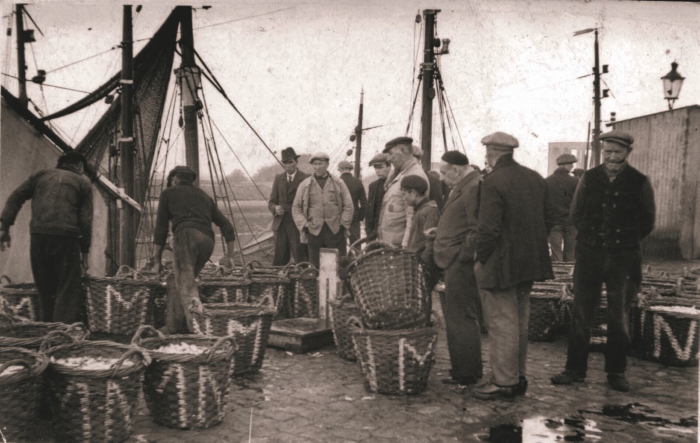
nightglow.info – Belgium, a country with a rich maritime heritage, has long been a significant player in the fishing industry. The fishing fleet, comprising a variety of vessels designed to harvest the ocean’s bounty, has been an integral part of Belgium’s economy and culture. From the bustling ports of Zeebrugge and Ostend to the smaller fishing communities along the North Sea coast, the history of Belgium’s fishing fleet is a testament to the ingenuity, resilience, and seafaring spirit of its people.

The Evolution of Belgium’s Fishing Fleet

The origins of Belgium’s fishing fleet can be traced back to the medieval period, when small, open boats were used to catch fish close to the shore. Over the centuries, as fishing techniques and technologies advanced, so too did the design and capabilities of the vessels. By the 19th and 20th centuries, Belgium’s fishing fleet had evolved to include larger, more sophisticated boats equipped with engines and modern fishing gear.

Types of Vessels in the Fishing Fleet

Belgium’s fishing fleet is diverse, comprising various types of vessels suited to different fishing methods and target species. Some of the most common types include:

  1. Trawlers: These are among the largest vessels in the fleet, designed for bottom trawling. They use heavy nets to catch fish like cod, haddock, and plaice.
  2. Dredgers: Specialized vessels that use dredges to catch shellfish such as mussels and oysters.
  3. Beam Trawlers: Smaller than traditional trawlers, these boats use a beam trawl to catch flatfish like sole and plaice.
  4. Gillnetters: These vessels use gillnets to catch a variety of fish, including herring and mackerel.
  5. Longliners: Employing longlines with baited hooks, these boats target species like tuna and swordfish.

The Economic and Cultural Impact

The fishing fleet has played a crucial role in Belgium’s economy, providing employment and contributing to the country’s food security. Beyond its economic significance, the fishing fleet is also a source of national pride and cultural identity. Fishing communities along the Belgian coast have their own traditions, festivals, and folklore, celebrating the maritime heritage and the hardy fishermen who brave the seas.

Challenges and Sustainability

Despite its historical importance, Belgium’s fishing fleet faces numerous challenges, including overfishing, climate change, and competition from larger, international fishing operations. To address these issues, the industry has been working towards more sustainable fishing practices, such as implementing quotas, using selective fishing gear, and promoting aquaculture.

Conclusion

The fishing fleet is a vital component of Belgium’s maritime history, reflecting the country’s deep connection to the sea. Through the generations, these vessels have not only harvested the ocean’s bounty but also woven a rich tapestry of tradition, resilience, and innovation. As Belgium looks to the future, the ongoing efforts to sustain its fishing fleet will be crucial in preserving this heritage for generations to come.

Drive: The New Paradigm in Motivation

nightglow.info – In the ever-evolving landscape of human psychology and organizational behavior, the concept of motivation has undergone a significant transformation. Traditional theories of motivation, which often relied on extrinsic rewards and punishments, are being supplanted by a new paradigm that emphasizes intrinsic motivation, autonomy, and purpose. This article explores the shift towards this new paradigm and its implications for individuals and organizations.

The Shift from Extrinsic to Intrinsic Motivation

For decades, the carrot-and-stick approach to motivation was the norm. Employees were incentivized with bonuses, promotions, and other rewards, while the threat of job loss or demotion served as deterrents. However, research has shown that while extrinsic motivators can be effective in the short term, they can also lead to decreased creativity, reduced intrinsic motivation, and a transactional relationship with work.

The Rise of Autonomy and Mastery

A key component of the new paradigm is the emphasis on autonomy—the desire to direct our own lives. This includes the freedom to choose how to pursue goals, which tasks to prioritize, and how to execute them. Coupled with autonomy is the concept of mastery—the urge to get better at something that matters. When individuals are given the opportunity to develop their skills and expertise, they are more likely to be engaged and motivated.

Purpose as a Driving Force

Another critical element of the new motivation paradigm is purpose. People are increasingly seeking work that aligns with their values and contributes to something larger than themselves. Organizations that can articulate a clear and compelling purpose and connect individual roles to that purpose are more likely to inspire and retain motivated employees.

The Role of Technology in Motivation

Technology has also played a pivotal role in shaping the new motivation paradigm. Digital tools and platforms can enhance autonomy by providing real-time feedback, facilitating collaboration, and enabling flexible work arrangements. They can also help individuals track their progress towards mastery and connect with like-minded professionals who share a common purpose.

Conclusion

The new paradigm in motivation represents a shift towards a more holistic understanding of what drives human behavior. By focusing on intrinsic motivation, autonomy, mastery, and purpose, individuals and organizations can unlock greater potential and achieve more sustainable success. As we continue to navigate the complexities of the modern world, embracing this new paradigm will be essential for fostering a motivated and fulfilled workforce.

The Economic Challenges Facing North Korea

nightglow.info – The Democratic People’s Republic of Korea, commonly known as North Korea, is a country that has been facing numerous economic challenges for decades. These challenges are multifaceted, stemming from internal policies, external sanctions, and a lack of integration into the global economy. This article will delve into the various economic hurdles that North Korea is grappling with and their implications for the country’s future.

Sanctions and Isolation

One of the primary economic challenges facing North Korea is the web of international sanctions imposed by the United Nations, the United States, and other countries. These sanctions target the country’s nuclear and missile programs, restricting trade and financial transactions. As a result, North Korea’s access to foreign currency, technology, and markets is severely limited, hindering economic development and growth.

Centralized Economy and Mismanagement

North Korea operates under a centrally planned economy, where the state controls all means of production and distribution. This system has led to inefficiencies, mismanagement, and a lack of innovation. The government’s prioritization of military spending over investment in infrastructure and the private sector has further stunted economic progress.

Agricultural Difficulties

Agriculture is a significant sector of North Korea’s economy, but it faces numerous challenges. These include outdated farming techniques, a lack of modern equipment, and vulnerability to natural disasters such as floods and droughts. Food shortages are common, and the country often relies on international aid to feed its population.

Energy Shortages

North Korea suffers from chronic energy shortages, which severely impact industrial production and daily life. The country lacks the infrastructure and resources to meet its energy needs, leading to frequent power outages and a reliance on coal for energy production, which in turn contributes to environmental degradation.

Human Capital and Brain Drain

The North Korean economy is also hampered by a lack of skilled labor and a brain drain. The country’s education system, while extensive, does not always produce workers with the skills needed for a modern economy. Additionally, some of the most educated and skilled individuals seek opportunities abroad, further depleting the country’s human capital.

Currency Reform and Marketization

Attempts at currency reform and the introduction of market-based elements have been met with mixed results. While some limited market activities are tolerated, the government’s reluctance to fully embrace market reforms has prevented the economy from benefiting from the efficiencies and growth that such changes could bring.

Conclusion

The economic challenges facing North Korea are significant and deeply rooted. Overcoming these hurdles will require not only changes in domestic policies but also a shift in the international community’s approach. While the country has shown some resilience in the face of these challenges, sustained economic improvement will necessitate comprehensive reforms and a more integrated role in the global economy.

The Evolution of the Serbian Economy: Modern Industries

nightglow.info – The Serbian economy has undergone significant transformations over the years, evolving from a predominantly agricultural base to a modern industrial powerhouse. This journey reflects the broader shifts in economic policies and global market dynamics that have shaped the nation’s economic landscape.

Early Economic Structures

In the early years, agriculture was the backbone of the Serbian economy, with a significant portion of the population engaged in farming. The shift from livestock to crop production and from commercial to subsistence farming marked a notable change in agricultural practices. This transition was part of a broader economic restructuring that occurred after the break with the Soviet bloc in 1948, when Yugoslavia adopted a socialist economic system. This system, modeled on institutions in the Soviet Union, allowed for increasing opportunities for individual enterprise, although it also led to the establishment of collective farms, which were later abandoned due to their unpopularity.

Industrial Growth and Challenges

The industrial sector in Serbia also experienced significant growth, particularly in the manufacturing of consumer durables and single-use commodities. However, this growth was not without challenges. The economy faced widespread criminality and corruption, which took a toll on productivity and competitiveness in global markets. Additionally, the diversification of the economy away from agriculture was relatively slow, and industrial growth was based on less productive, labor-intensive sectors.

Modernization and Economic Reforms

The early 21st century saw a shift towards privatization and economic reforms, which aimed to modernize the Serbian economy. The transition from a socialist system to a more market-oriented economy has been gradual, with significant progress in the industrial sector. The automotive industry, machinery, mining, and agriculture are now among the strongest sectors of the Serbian economy. The country’s main industrial exports include motor vehicles, electrical machines, non-ferrous metals, rubber and plastics products, and chemicals.

Current Economic Landscape

Today, the Serbian economy is a service-based upper-middle income economy, with the tertiary sector accounting for two-thirds of the total gross domestic product (GDP). The economy functions on the principles of the free market, and nominal GDP in 2024 is projected to reach $81 billion. The country is also a member of various trade organizations, including CEFTA, BSEC, AIIB, Open Balkan, World Bank, IMF, and WTO (Observer).

Challenges and Opportunities

Despite its progress, the Serbian economy faces several challenges, including high public debt and a need for further diversification of its industrial base. However, it also presents significant opportunities, particularly in sectors such as renewable energy, digital technology, and sustainable agriculture. The government’s focus on attracting foreign direct investment and enhancing regional cooperation is expected to play a crucial role in shaping the future of the Serbian economy.

In conclusion, the Serbian economy has come a long way from its agricultural roots to becoming a modern industrial economy. The journey has been marked by significant reforms, challenges, and opportunities. As the country continues to navigate these complexities, it is poised to achieve greater economic growth and prosperity.

The Chingay: The Flower Drum Dance of Singapore

nightglow.info – Singapore, a vibrant city-state known for its multicultural tapestry, boasts a plethora of festivals that celebrate its diverse heritage. Among these, the Chingay stands out as a unique and captivating event that showcases the rich cultural mosaic of Singapore. Originating from the Chinese term “Chingay,” which translates to “flower drum,” this festival is a spectacular street parade that blends tradition with modernity, creating a visual and auditory feast for locals and tourists alike.

The Origins of Chingay

The roots of Chingay can be traced back to the early 1970s, when it was first introduced as a part of the Chinese New Year celebrations. Initially, it was a modest affair, featuring lion dances and dragon dances, which are traditional Chinese performances meant to bring good luck and ward off evil spirits. Over the years, Chingay evolved into a grander event, incorporating elements from various cultures present in Singapore, making it a truly multicultural celebration.

The Festival Today

Today, Chingay is much more than a parade; it is a vibrant festival that lasts for several days, culminating in a grand finale that features a spectacular street parade. The festival is a kaleidoscope of colors, sounds, and movements, with participants from all walks of life, including cultural groups, schools, and community organizations.

The highlight of the festival is undoubtedly the street parade, which features elaborate floats, dazzling costumes, and mesmerizing performances. The parade is a testament to the creativity and diversity of Singapore, with each group bringing their unique cultural heritage to the forefront. From the graceful movements of the Chinese dragon dances to the rhythmic beats of Indian drummers, the parade is a harmonious blend of traditions.

Cultural Significance

Chingay serves as a powerful symbol of unity and harmony in Singapore. It is a celebration of the country’s multicultural identity, showcasing the rich tapestry of cultures that coexist peacefully. The festival encourages a sense of community and belonging, fostering a deeper appreciation for the diverse cultural heritage of Singapore.

Moreover, Chingay is not just a local affair; it has gained international recognition, attracting participants and spectators from all over the world. This global appeal further highlights Singapore’s role as a cosmopolitan city that embraces diversity and celebrates cultural exchange.

Conclusion

The Flower Drum Dance of Singapore, or Chingay, is more than just a festival; it is a vibrant celebration of multiculturalism and unity. It stands as a testament to the rich cultural heritage of Singapore and its people’s ability to come together and celebrate their diversity. As Chingay continues to evolve, it remains a beloved tradition that captures the heart and soul of Singapore, showcasing the beauty of cultural harmony and diversity.

The Rise of Eco-Tourism in Cambodia: Sustainable Travel

nightglow.info – In recent years, Cambodia has emerged as a beacon of eco-tourism, a form of tourism that aims to preserve the environment and improve the well-being of local people. This Southeast Asian nation, known for its rich cultural heritage and stunning landscapes, is now leading the way in sustainable travel practices, offering visitors an opportunity to explore its natural beauty while minimizing their impact on the environment.

The Shift Towards Eco-Friendly Practices

Cambodia’s eco-tourism boom is a response to the growing demand for responsible travel. As the world becomes more aware of the environmental impact of traditional tourism, travelers are seeking out destinations that offer experiences that are not only enriching but also sustainable. Cambodia’s shift towards eco-friendly practices is a testament to this global trend.

Preserving Natural Wonders

Cambodia is home to some of the most breathtaking natural landscapes in Southeast Asia. From the Cardamom Mountains to the Tonle Sap Lake, the country’s diverse ecosystems are a magnet for eco-tourists. Conservation efforts have been stepped up to protect these areas, ensuring that future generations can enjoy the same pristine beauty.

Community Involvement

One of the key aspects of eco-tourism in Cambodia is the involvement of local communities. By engaging with local people, eco-tourism not only provides economic benefits but also empowers communities to take an active role in conservation efforts. This has led to the development of community-based tourism projects that offer visitors a unique insight into Cambodian culture while supporting local livelihoods.

Eco-Lodges and Sustainable Accommodations

As part of the eco-tourism movement, Cambodia has seen the rise of eco-lodges and sustainable accommodations. These establishments are designed to minimize environmental impact, often using renewable energy sources and locally sourced materials. They provide a comfortable stay for visitors while ensuring that the natural surroundings are preserved.

Cultural Conservation

Eco-tourism in Cambodia is not just about preserving the natural environment; it’s also about safeguarding the country’s cultural heritage. From the ancient temples of Angkor Wat to the traditional ways of life in rural villages, eco-tourism offers a respectful way to experience Cambodia’s rich cultural tapestry.

Challenges and Opportunities

While the rise of eco-tourism in Cambodia is a positive trend, it is not without its challenges. Balancing the needs of the environment, local communities, and tourists requires careful planning and management. However, with the right approach, eco-tourism can continue to thrive, providing economic benefits while preserving Cambodia’s natural and cultural treasures.

Conclusion

The rise of eco-tourism in Cambodia is a promising development that showcases the country’s commitment to sustainable travel. By embracing eco-friendly practices, engaging with local communities, and preserving its natural and cultural heritage, Cambodia is setting an example for eco-tourism that other destinations can follow. As travelers become more conscious of their impact on the planet, Cambodia stands ready to welcome them with open arms, offering a unique and responsible travel experience that leaves a light footprint on the earth.

Bahasa and Its Influence: The Indonesian Language

nightglow.info – Bahasa Indonesia, or simply Bahasa, is the official language of Indonesia, a vast archipelago nation in Southeast Asia. With over 700 languages spoken across its many islands, Bahasa serves as the lingua franca, uniting the diverse population of over 270 million people. The language is a standardized form of Malay, which has been influenced by various languages, including Javanese, Dutch, Arabic, and English.

Historical Development of Bahasa Indonesia

The roots of Bahasa Indonesia can be traced back to the Malay language, which was widely used in trade and commerce across the Malay Archipelago. The spread of Malay was facilitated by the Srivijaya and Majapahit empires, which used it as a language of administration. The formal adoption of Malay as the national language of Indonesia was a result of the Youth Pledge in 1928, where Indonesian youths pledged their loyalty to one motherland, one nation, and one language.

Bahasa Indonesia and National Identity

The Indonesian language plays a crucial role in fostering a sense of national identity. It transcends ethnic, cultural, and religious differences, providing a common means of communication and understanding. The government’s promotion of Bahasa Indonesia through education and media has ensured its dominance in official settings, while local languages continue to thrive in their respective communities.

The Influence of Bahasa Indonesia on Other Languages

Bahasa Indonesia has not only been influenced by other languages but has also left its mark on them. The language has borrowed words from Sanskrit, Arabic, Portuguese, Dutch, and English, among others. Conversely, Bahasa has contributed to the lexicon of neighboring languages and has become an important language of diplomacy and trade in Southeast Asia.

Bahasa Indonesia in the Global Context

As Indonesia’s political and economic influence grows on the world stage, so does the importance of Bahasa Indonesia. It is one of the official languages of ASEAN (the Association of Southeast Asian Nations) and is taught in universities around the world. The language is a gateway to understanding the rich culture and history of Indonesia, making it an increasingly attractive subject of study for people interested in Southeast Asia.

The Future of Bahasa Indonesia

The future of Bahasa Indonesia looks promising. With the rise of digital media and the internet, the language is reaching new audiences both within and outside Indonesia. Social media, online news outlets, and streaming services are providing platforms for Bahasa Indonesia to spread and evolve. The language continues to adapt to modern times, incorporating new terms and expressions while maintaining its unique identity.

Conclusion

Bahasa Indonesia is more than just a language; it is a symbol of unity in diversity. Its influence extends beyond the borders of Indonesia, contributing to the linguistic and cultural landscape of Southeast Asia and beyond. As the world becomes more interconnected, Bahasa Indonesia stands as a testament to the power of language to unite people and foster mutual understanding.

Budget-Friendly Travel Tips: The Mexican Miracle

nightglow.info – Mexico, with its vibrant culture, stunning landscapes, and rich history, is a dream destination for many travelers. However, the idea of traveling can often be daunting, especially when considering the budget. The good news is that Mexico can be an incredibly affordable destination if you know where to look and how to plan. In this article, we’ll explore the Mexican Miracle: budget-friendly travel tips that will help you experience the best of Mexico without breaking the bank.

1. Plan Your Trip Wisely

The key to budget-friendly travel is planning. Start by setting a realistic budget and sticking to it. Research your destinations thoroughly and prioritize what you want to see and do. Consider traveling during the off-peak season when prices for flights and accommodations are lower. Also, be flexible with your travel dates to take advantage of the best deals.

2. Stay Smart

Accommodation can be one of the biggest expenses when traveling. To save money, consider staying in budget hotels, hostels, or even guesthouses. Websites like Booking.com, Hostelworld, and Airbnb offer a range of affordable options. Another great way to save is by staying in less touristy areas, which often have cheaper accommodations and a more authentic local experience.

3. Eat Like a Local

Eating out at touristy restaurants can quickly add up. Instead, immerse yourself in the local culture by eating where the locals do. Street food in Mexico is not only delicious but also very affordable. Tacos, tamales, and tortas are just a few examples of the mouth-watering street food you can enjoy. Also, look for “comida corrida,” which is a fixed-price meal usually consisting of a drink, soup, main course, and dessert, offered at many local eateries.

4. Get Around on a Budget

Public transportation in Mexico is extensive and very affordable. Buses are a great way to travel between cities, and they range from basic to luxury services. In cities, use the metro or buses to get around. If you prefer to have more flexibility, consider renting a car. Just be sure to shop around for the best deals and understand the insurance coverage.

5. Free and Low-Cost Attractions

Mexico is rich in culture and history, and there are plenty of attractions that are either free or have a very low cost of entry. Visit local markets, parks, and plazas. Explore historic centers like Mexico City’s Centro Histórico or Guanajuato’s colonial streets. Many museums and archaeological sites offer free or discounted entry on certain days.

6. Be Smart with Your Spending

Avoid unnecessary expenses by bringing items like sunscreen, insect repellent, and basic medications from home, as they can be more expensive in Mexico. Also, be mindful of your spending on souvenirs. It’s easy to get carried away, but setting a budget for souvenirs can help you avoid overspending.

7. Learn Some Spanish

While many people in tourist areas speak English, knowing some Spanish can enhance your experience and help you navigate more local areas. Basic phrases for greetings, asking for directions, and shopping can go a long way. Plus, locals will appreciate your effort to speak their language.

Conclusion

Traveling to Mexico on a budget is not only possible but can also be an enriching experience. By planning wisely, staying smart, eating like a local, getting around on a budget, exploring free and low-cost attractions, being mindful of your spending, and learning some Spanish, you can enjoy the Mexican Miracle without the miracle of a huge bank account. So pack your bags, embrace the adventure, and get ready to experience the wonders of Mexico without breaking the bank.

Navigating Dangerous Countries: The Nexus of Nightmares

nightglow.info – In an era where global travel has become more accessible than ever, the allure of exploring distant lands and immersing oneself in diverse cultures is stronger than ever. However, the world is a tapestry of varying shades, and not all destinations are painted with the hues of safety and tranquility. There exists a nexus of nightmares, a collection of countries notorious for their dangers, where the uninitiated traveler must tread with caution. This article aims to shed light on navigating these perilous territories, offering insights and strategies for those who dare to venture into the heart of darkness.

Understanding the Dangers

Before delving into the specifics of navigating dangerous countries, it is crucial to understand the nature of the risks involved. These dangers can manifest in various forms, including but not limited to, political instability, terrorism, violent crime, kidnapping, and disease outbreaks. Countries with ongoing civil conflicts, weak governance, or regions plagued by organized crime syndicates are particularly treacherous.

Research and Preparation

The first line of defense against the perils of dangerous countries is thorough research and preparation. Travelers should consult the latest travel advisories issued by their government, as well as reports from international organizations and news outlets. Understanding the current state of affairs in a country is essential for anticipating potential risks.

It is also wise to learn about the cultural norms and sensitivities of the destination. What might be considered acceptable behavior in one’s home country could be deeply offensive elsewhere. Respecting local customs and laws is not only a matter of courtesy but also a safety measure.

Safety Measures

When traveling to dangerous countries, certain safety measures should be strictly adhered to:

  1. Travel Insurance: Ensure that your travel insurance covers high-risk activities and destinations. It should include medical evacuation, as accessing quality healthcare in some countries can be challenging.
  2. Secure Accommodations: Choose accommodations with a strong security presence, such as hotels that cater to international business travelers. Avoid staying in areas known for high crime rates.
  3. Local Guides and Drivers: Hiring local guides and drivers who are familiar with the area can significantly reduce the risk of encountering danger. They can navigate the complexities of the local environment and provide valuable insights.
  4. Communication: Keep friends and family informed of your itinerary. Consider carrying a satellite phone or a GPS tracker in areas with unreliable cellular service.
  5. Avoidance of Risky Areas: Stay away from demonstrations, protests, and any areas known for criminal activity. It is also advisable to avoid traveling at night.
  6. Personal Security: Be mindful of your surroundings at all times. Keep valuables out of sight, and consider carrying a decoy wallet to deter potential thieves.

Mental and Physical Preparedness

Navigating dangerous countries requires not only logistical preparation but also mental and physical readiness. Travelers should be in good health and possess a high level of adaptability. It is also important to maintain a low profile and avoid drawing unnecessary attention.

Conclusion

The nexus of nightmares is not an invitation to reckless adventure but a call to informed and responsible travel. While the dangers are real, they are not insurmountable with the right preparation and mindset. For those who choose to explore these perilous destinations, the rewards can be profound—a deeper understanding of the world’s complexities and the resilience of the human spirit.

Remember, the journey through dangerous countries is not for everyone. It requires a balance of caution and curiosity, a willingness to embrace the unknown while respecting the boundaries of safety. For those who find themselves drawn to the edge, may your travels be enlightening and your return, safe.

American Education System: Policies, Practices, and Debates

The American education system is a complex network of public and private institutions, governed by a mix of federal, state, and local policies. It is characterized by its diversity, decentralization, and the ongoing debates that shape its practices. From early childhood education to postsecondary studies, the system aims to provide students with the knowledge and skills necessary for personal development and professional success. However, it also faces challenges such as inequality, standardization, and the balance between academic and vocational training. This article explores the key policies, practices, and debates that define the American education landscape.

Policies:
The American education system is primarily the responsibility of state and local governments, with the federal government playing a significant role through legislation and financial aid. Key policies include the Every Student Succeeds Act (ESSA), which replaced No Child Left Behind in 2015. ESSA emphasizes state-level accountability for student performance, providing states with more control over how they assess and intervene in underperforming schools.

Another significant policy is the Individuals with Disabilities Education Act (IDEA), which ensures that children with disabilities receive a free appropriate public education. Additionally, federal financial aid programs, such as Pell Grants and student loans, are crucial for making higher education accessible.

Practices:
The American education system is structured into several levels: early childhood education, elementary and secondary education, and postsecondary education. Early childhood education includes preschool and is not mandatory but is increasingly recognized as important for later academic success.

Elementary and secondary education, often referred to as K-12, is compulsory in all states, typically from ages 5 to 18. This period is divided into elementary school (kindergarten through 5th or 6th grade), middle or junior high school (6th through 8th or 9th grade), and high school (9th through 12th grade).

Postsecondary education includes a variety of institutions, such as community colleges, four-year colleges, and universities. Vocational and technical schools also provide specialized training for specific careers.

Debates:
Several debates characterize the American education system. One of the most contentious is the issue of standardized testing and its role in assessing student and school performance. Critics argue that it narrows the curriculum and places undue pressure on students, while proponents see it as a necessary tool for accountability and comparison.

Another debate revolves around the achievement gap between different socioeconomic and racial groups. Efforts to address this include school choice programs, such as charter schools and vouchers, which aim to provide alternatives to traditional public schools. However, these initiatives are also controversial, with concerns about equity, funding, and the privatization of education.

The role of technology in education is another area of discussion, with debates about the effectiveness of online learning, the digital divide, and the need for relevant, up-to-date technology in classrooms.

Conclusion:
The American education system is a dynamic and evolving landscape, shaped by a complex interplay of policies, practices, and ongoing debates. While it offers a wide range of opportunities for students, it also faces significant challenges that require ongoing attention and reform. As the nation continues to grapple with issues of equity, quality, and access, the education system remains a critical arena for shaping the future of American society.

Countries Where Women Thrive: The Safest Havens

In a world where gender equality and safety are paramount, it is crucial to recognize and celebrate countries that prioritize the well-being and rights of women. Safety for women encompasses various aspects, including physical security, economic opportunities, and legal protections. Here, we explore some of the safest countries for women, based on factors such as low crime rates, gender equality policies, and overall quality of life.

Iceland

The Solo Female Traveler's Guide to Iceland • The Blonde Abroad

Topping the list for several years, Iceland is a beacon of gender equality. It has consistently ranked first in the World Economic Forum’s Global Gender Gap Report. Iceland’s government is committed to eradicating gender-based discrimination, and it offers generous parental leave policies. The country also boasts a high percentage of women in political and corporate leadership positions. With strict laws against harassment and violence, Iceland is a safe haven for women.

New Zealand

New Zealand Ranked 2nd Safest Country in the World to Live: Find Out Why! - Prospero Teaching

New Zealand is another country that stands out for its commitment to women’s rights and safety. It has a strong legal framework that protects women from violence and discrimination. The country has a history of electing women to high-profile political positions, including being the first nation to grant women the right to vote in 1893. New Zealand also offers excellent healthcare services, including reproductive rights, and has a low rate of gender-based violence.

Finland

News | Visit Finland


Finland is renowned for its high standard of living and comprehensive social welfare system, which benefits both men and women. The country has one of the smallest gender pay gaps in the world and offers extensive parental leave. Education and healthcare are accessible to all, and Finland’s government actively works to combat gender-based violence and promote equality in all sectors.

Norway

6 Women Who Conquered Mountains to Travel the World

Norway is a pioneer in gender equality, with a robust welfare system that supports working mothers and fathers alike. It has a high percentage of women in the workforce and in political office. Norway’s government has implemented policies to ensure equal representation in corporate boards and offers generous parental leave. The country also has low rates of violence against women and strong legal protections.

Sweden

sweden Archives - Blog I Good Travel

Sweden is a global leader in gender equality, with a progressive approach to parental leave, gender-neutral childcare, and equal pay. The country has a long history of women’s rights activism and has implemented policies to combat gender-based violence effectively. Sweden’s education system is top-notch, and women have equal access to all levels of education and employment opportunities.

Denmark

Denmark ranked among safest countries for women travelling alone - The Copenhagen Post

Denmark rounds out the list with its strong social welfare system, high level of gender equality, and low crime rates. The country offers excellent healthcare services and has a small gender pay gap. Denmark also has a history of women in leadership positions and has implemented policies to support working parents, making it a safe and supportive environment for women.

Conclusion

The countries listed above are leading the way in creating safe and equitable societies for women. Their commitment to gender equality, legal protections, and social welfare systems serve as models for the rest of the world. While no country is perfect, these nations demonstrate that with the right policies and attitudes, it is possible to create environments where women can thrive and live without fear. As the global community continues to strive for gender equality, these safe havens offer hope and inspiration for a better future for all women.