
Ocean Secrets Revealed: Whispers of the Sea

nightglow.info – The ocean, a vast and mysterious entity, has long been a source of fascination and inspiration for humanity. Its depths hold secrets that have been whispered through the ages, tales of courage, resilience, and the unknown. This article delves into the enigmatic world of the sea, exploring the ancient lore and the enduring mysteries that it continues to reveal.

The Allure of the Ocean

The ocean’s allure is timeless, captivating the hearts and minds of those who stand at its edge. It whispers secrets to the moonlit night, its waves crashing against the shore in a rhythmic beat that carries tales of the deep. The sea hums in notes of sapphire, a hymn to the moon, painting the water with strokes of silver that shimmer like forgotten promises.

Ancient Lore and Modern Exploration

Ancient lore speaks of the ocean’s power and the courage of those who venture into its depths. The sea whispers secrets of ancient mariners, their tales of discovery and survival etched into the very fabric of maritime history. Modern explorers continue this tradition, uncovering new secrets and pushing the boundaries of what we know about the ocean’s vast expanse.

The Ocean’s Symbolism

In literature and poetry, the ocean serves as a powerful symbol, evoking feelings of tranquility, power, and mystery. Describing these waves with poetic grace can transport readers to the heart of the ocean, immersing them in its beauty and majesty. The ocean’s waves are not just physical phenomena; they are metaphors for life’s journey, with each crest and trough representing the highs and lows of human experience.

Conservation and the Future

As we continue to explore the ocean’s depths, it is crucial to remember the importance of conservation. The ocean’s secrets are not just stories of the past but also warnings for the future. By understanding and protecting the ocean, we ensure that its whispers continue to inspire and guide us for generations to come.

Conclusion

The ocean’s secrets are a testament to its enduring mystery and beauty. From ancient lore to modern exploration, the sea continues to captivate and inspire. As we stand at the shore, let us listen to the whispers of the sea, for they hold the keys to understanding our world and our place within it.
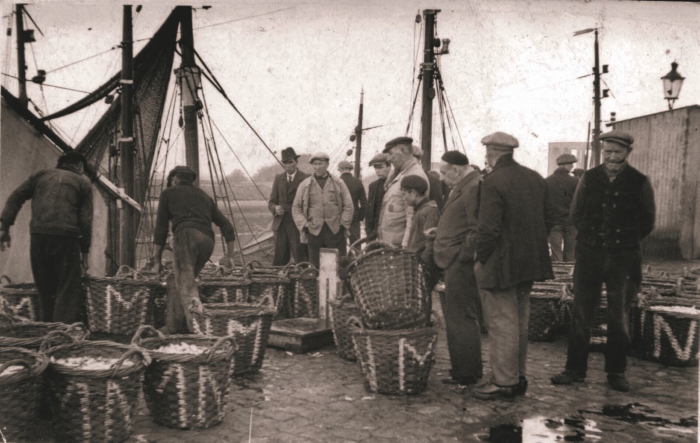
The Fishing Fleet: Belgium’s Maritime History and the Vessels

nightglow.info – Belgium, a country with a rich maritime heritage, has long been a significant player in the fishing industry. The fishing fleet, comprising a variety of vessels designed to harvest the ocean’s bounty, has been an integral part of Belgium’s economy and culture. From the bustling ports of Zeebrugge and Ostend to the smaller fishing communities along the North Sea coast, the history of Belgium’s fishing fleet is a testament to the ingenuity, resilience, and seafaring spirit of its people.

The Evolution of Belgium’s Fishing Fleet

The origins of Belgium’s fishing fleet can be traced back to the medieval period, when small, open boats were used to catch fish close to the shore. Over the centuries, as fishing techniques and technologies advanced, so too did the design and capabilities of the vessels. By the 19th and 20th centuries, Belgium’s fishing fleet had evolved to include larger, more sophisticated boats equipped with engines and modern fishing gear.

Types of Vessels in the Fishing Fleet

Belgium’s fishing fleet is diverse, comprising various types of vessels suited to different fishing methods and target species. Some of the most common types include:

  1. Trawlers: These are among the largest vessels in the fleet, designed for bottom trawling. They use heavy nets to catch fish like cod, haddock, and plaice.
  2. Dredgers: Specialized vessels that use dredges to catch shellfish such as mussels and oysters.
  3. Beam Trawlers: Smaller than traditional trawlers, these boats use a beam trawl to catch flatfish like sole and plaice.
  4. Gillnetters: These vessels use gillnets to catch a variety of fish, including herring and mackerel.
  5. Longliners: Employing longlines with baited hooks, these boats target species like tuna and swordfish.

The Economic and Cultural Impact

The fishing fleet has played a crucial role in Belgium’s economy, providing employment and contributing to the country’s food security. Beyond its economic significance, the fishing fleet is also a source of national pride and cultural identity. Fishing communities along the Belgian coast have their own traditions, festivals, and folklore, celebrating the maritime heritage and the hardy fishermen who brave the seas.

Challenges and Sustainability

Despite its historical importance, Belgium’s fishing fleet faces numerous challenges, including overfishing, climate change, and competition from larger, international fishing operations. To address these issues, the industry has been working towards more sustainable fishing practices, such as implementing quotas, using selective fishing gear, and promoting aquaculture.

Conclusion

The fishing fleet is a vital component of Belgium’s maritime history, reflecting the country’s deep connection to the sea. Through the generations, these vessels have not only harvested the ocean’s bounty but also woven a rich tapestry of tradition, resilience, and innovation. As Belgium looks to the future, the ongoing efforts to sustain its fishing fleet will be crucial in preserving this heritage for generations to come.