
Wildlife Management: Balancing the Needs of Natural Resources

nightglow.info – The delicate equilibrium between human development and the preservation of wildlife is a critical aspect of sustainable living. Wildlife management is the practice of overseeing and regulating the interactions between humans and wildlife to ensure the conservation of natural resources while addressing human needs. This article explores the multifaceted approach required to balance these often-conflicting interests.

Understanding Wildlife Management

Wildlife management is not solely about controlling animal populations; it is a comprehensive strategy that encompasses habitat preservation, species conservation, and the mitigation of human-wildlife conflicts. Effective wildlife management requires a deep understanding of ecological systems and the needs of both humans and animals.

The Importance of Habitat Preservation

One of the cornerstones of wildlife management is the preservation of habitats. By protecting and restoring natural environments, wildlife managers create spaces where animals can thrive without human interference. This not only benefits the animals but also ensures that humans can enjoy the aesthetic and recreational value of these areas.

Species Conservation Efforts

Conservation of endangered and threatened species is another critical aspect of wildlife management. Through initiatives such as breeding programs, reintroduction projects, and habitat restoration, wildlife managers work to prevent the extinction of species and maintain biodiversity.

Mitigating Human-Wildlife Conflicts

As human populations expand, the likelihood of conflicts with wildlife increases. Wildlife management involves developing strategies to minimize these conflicts, such as creating buffer zones, implementing wildlife-friendly farming practices, and educating the public on coexisting with wildlife.

The Role of Legislation and Policy

Effective wildlife management relies on robust legislation and policy to guide practices and ensure accountability. Laws such as the Endangered Species Act and the Wildlife Conservation Act provide the framework for conservation efforts and help to balance the needs of humans with the protection of wildlife.

Community Engagement and Education

Engaging local communities and educating the public about wildlife management is essential. By fostering a sense of stewardship and understanding of wildlife issues, communities can become active participants in conservation efforts.

Conclusion

Balancing human needs with the preservation of natural resources is a complex challenge that requires a multifaceted approach. Wildlife management is a dynamic field that must adapt to changing environmental conditions and human activities. By integrating habitat preservation, species conservation, conflict mitigation, and community engagement, wildlife managers can work towards a sustainable future where humans and wildlife can coexist harmoniously.
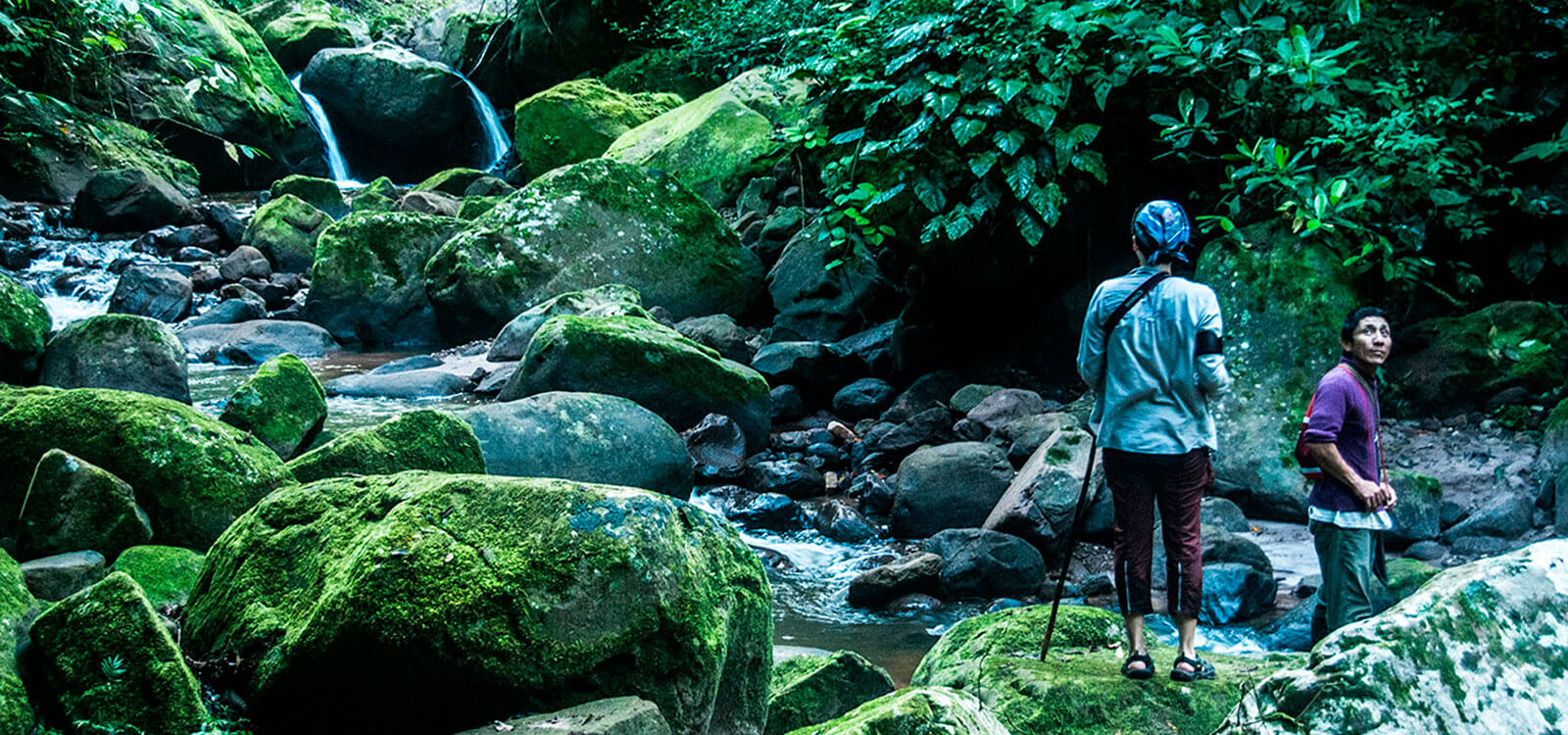
Adventures in the Amazon Wild: Into the Green Labyrinth

nightglow.info – Embarking on a journey into the heart of the Amazon rainforest is like stepping into a world lost in time, a place where nature reigns supreme and the veil between the known and the unknown thins to a whisper. This vast, verdant expanse, often referred to as the “Green Labyrinth,” is a testament to the Earth’s enduring wildness and the mysteries that still lie beyond the reach of civilization. In this article, we delve into the adventures that await within the Amazon wild, exploring its unparalleled biodiversity, the challenges it faces, and the efforts to preserve its natural splendor for generations to come.

The Heart of Biodiversity

The Amazon rainforest, sprawling across much of South America, is the world’s largest tropical forest. It is a realm of unparalleled biodiversity, home to an estimated 10 million species of plants and animals, many of which have yet to be discovered or documented by science. From the towering kapok trees that dominate the canopy to the myriad insects that buzz and crawl in the underbrush, every layer of the forest teems with life.

Adventurers and scientists who venture into the Green Labyrinth often find themselves in awe of the intricate web of life that thrives here. The forest’s dense foliage and complex ecosystems offer a treasure trove for researchers, providing insights into the evolutionary history of life on Earth and the delicate balance that sustains such diversity.

The Cultural Tapestry

Beyond its natural wonders, the Amazon is also home to a rich tapestry of indigenous cultures, each with its own language, traditions, and deep connection to the forest. These communities have lived in harmony with the rainforest for millennia, developing sustainable practices that allow them to thrive without depleting the natural resources around them.

Exploring the Amazon offers a unique opportunity to learn from these cultures, gaining insights into alternative ways of living that prioritize the well-being of both people and the planet. The knowledge and wisdom of these indigenous groups are invaluable, offering lessons that could help guide conservation efforts and inspire more sustainable practices worldwide.

Challenges and Conservation

Despite its beauty and richness, the Amazon faces numerous threats, including deforestation, climate change, and illegal wildlife trade. These challenges not only endanger the countless species that call the rainforest home but also threaten the livelihoods of the indigenous communities that depend on the forest for their survival.

Conservation efforts in the Amazon are therefore critical, aiming to protect the forest’s biodiversity and the cultural heritage of its inhabitants. These initiatives range from establishing protected areas and sustainable development projects to advocating for policies that support the preservation of the rainforest.

Adventurers and explorers who journey into the Green Labyrinth often find themselves playing a role in these conservation efforts, whether by raising awareness about the threats facing the Amazon or by directly participating in projects aimed at protecting the forest and its inhabitants.

Conclusion

A journey into the Amazon wild is more than just an adventure; it is a profound experience that connects us to the Earth’s ancient rhythms and the intricate web of life that sustains us all. As we explore the Green Labyrinth, we are reminded of the beauty and fragility of our planet and the urgent need to protect its wild places.

The adventures that await in the Amazon wild are as diverse as the forest itself, offering endless opportunities for discovery, learning, and inspiration. Whether you’re a scientist seeking to uncover new species, an adventurer eager to explore uncharted territories, or a conservationist dedicated to protecting the rainforest, the Amazon invites you to step into its embrace and become part of its enduring legacy.