Injera: The Foundation of Ethiopian and Eritrean Cuisine

nightglow.info – Injera, a spongy, slightly tangy flatbread, is the cornerstone of Ethiopian and Eritrean cuisine. Made from teff, an ancient and nutritious grain native to the region, injera serves as both the plate and the utensil in traditional meals. Its unique texture and flavor profile, combined with its cultural significance, make it an indispensable part of the culinary landscape of the Horn of Africa.   

Origins and Cultural Significance

The origins of injera are deeply intertwined with the cultivation of teff, a tiny but resilient grain that thrives in the Ethiopian and Eritrean highlands. Teff has been cultivated in the region for thousands of years, and injera has evolved alongside it as a staple food.   

Injera holds significant cultural importance in Ethiopian and Eritrean societies. It is more than just food; it is a symbol of hospitality, community, and shared meals. Meals are typically served on a large, round injera placed on a mesob (a woven table), with various stews, salads, and other dishes arranged on top. Diners use pieces of injera to scoop up the food, eliminating the need for utensils. This communal style of eating fosters a sense of togetherness and strengthens social bonds. Injera also plays a role in various cultural ceremonies and celebrations, further cementing its cultural significance.   

Preparing Injera: A Fermentation Process

The preparation of injera is a multi-step process that involves fermentation, giving it its characteristic tangy flavor and spongy texture.   

  1. Mixing the Dough: Teff flour is mixed with water to create a batter. The consistency of the batter is crucial; it should be thin enough to pour easily but thick enough to hold its shape slightly.   

  2. Fermentation: The batter is left to ferment for several days, typically two to three days, depending on the ambient temperature. During this time, naturally occurring yeasts and bacteria in the teff flour cause the batter to ferment, producing lactic acid and carbon dioxide. This fermentation process is what gives injera its distinctive sour taste and creates the characteristic bubbles that give it its spongy texture. A starter, called ersho, from a previous batch of injera is often used to kickstart the fermentation process.   

  3. Baking the Injera: Once the batter has fermented, it is poured onto a large, circular clay or metal griddle called a mitad. The mitad is heated to a high temperature, and the batter is poured in a circular motion to create a thin, even layer. The injera cooks quickly, developing small holes on the surface as the carbon dioxide bubbles escape. The injera is cooked until the top is set and the bottom is lightly browned.   

  4. Cooling and Stacking: The cooked injera is carefully removed from the mitad and allowed to cool. Multiple injeras are then stacked on top of each other, ready to be served.

Serving and Accompaniments

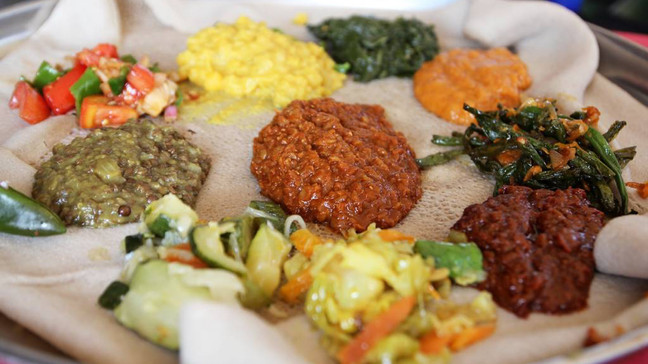
Injera serves as both the plate and the utensil in Ethiopian and Eritrean meals. Various stews, known as wats, and other dishes are placed on top of the injera. Diners tear off pieces of injera and use them to scoop up the food.   

Some common accompaniments to injera include:

  • Wat (Stew): A rich and flavorful stew made with various ingredients, such as meat (chicken, beef, lamb), vegetables, and spices. Common wats include doro wat (chicken stew), siga wat (beef stew), and misir wat (lentil stew).   
  • Tibs (Sautéed Meat): Sautéed meat, often cooked with onions, peppers, and spices.
  • Vegetable Dishes: Various vegetable dishes, such as shiro (chickpea stew), atakilt wat (mixed vegetable stew), and gomen (collard greens).   
  • Salads: Fresh salads, often made with tomatoes, onions, and peppers.   

Nutritional Value and Health Benefits

Injera, made from teff, offers several nutritional benefits. Teff is a good source of:

  • Fiber: Teff is high in fiber, which aids digestion and promotes gut health.   
  • Iron: Teff is a good source of iron, which is essential for oxygen transport in the blood.   
  • Protein: Teff contains a good amount of protein, making it a valuable source of nutrition, especially for vegetarians and vegans.   
  • Calcium: Teff is also a source of calcium, which is important for bone health.   
  • Gluten-Free: Teff is naturally gluten-free, making injera a suitable option for people with celiac disease or gluten sensitivity.   

Regional Variations

While the basic concept of injera remains the same across Ethiopia and Eritrea, there are some regional variations in the type of teff used, the fermentation process, and the specific dishes served with it.

Injera’s Enduring Legacy

Injera’s enduring presence in Ethiopian and Eritrean cuisine speaks to its versatility, nutritional value, and cultural significance. It is more than just a food; it is a symbol of hospitality, community, and the rich cultural heritage of the Horn of Africa. As Ethiopian and Eritrean cuisine gains international recognition, injera continues to be a central element, introducing people around the world to the unique flavors and traditions of this fascinating region.

The Zesty Citrus: A Comprehensive Look at Lemons

nightglow.info – Lemons, with their bright yellow color and tangy flavor, have been a beloved fruit for centuries. These citrus fruits are not only delicious but also packed with essential vitamins, minerals, and antioxidants. From their culinary uses to their medicinal properties, lemons have earned their place as a versatile and healthful ingredient.

A Brief History

The exact origins of lemons are uncertain, but they are believed to have originated in ancient India. From India, lemons spread to Persia and then to the Middle East and Europe. The Arabs introduced lemons to Spain in the 10th century, and from there, they spread to other parts of Europe and the Americas.

Nutritional Benefits

Lemons are a nutritional powerhouse, offering a range of health benefits:

  • Vitamin C: Lemons are an excellent source of vitamin C, which is essential for immune function and skin health.
  • Antioxidants: The antioxidants in lemons help protect cells from damage caused by free radicals.
  • Fiber: Lemons contain a moderate amount of fiber, which aids in digestion and promotes satiety.
  • Potassium: Potassium is essential for maintaining healthy blood pressure.

Culinary Uses

Lemons are a versatile ingredient that can be used in a variety of dishes:

  • Fresh Juice: Lemon juice is a popular ingredient in drinks, sauces, and marinades.
  • Zest: Lemon zest adds a bright, citrusy flavor to baked goods, sauces, and marinades.
  • Preserves: Lemons can be used to make lemon curd, lemon marmalade, and other preserves.
  • Cleaning: Lemon juice is a natural cleaning agent that can be used to clean surfaces and remove stains.

Health Benefits

In addition to their nutritional value, lemons have several health benefits:

  • Digestive Health: Lemon juice can help stimulate digestion and relieve indigestion.
  • Immune Boost: The vitamin C in lemons can help boost the immune system and protect against infections.
  • Skin Health: The antioxidants in lemons can help protect the skin from damage caused by free radicals.
  • Weight Loss: Lemon water can help boost metabolism and promote weight loss.

Selecting and Storing Lemons

When selecting lemons, choose fruits that are firm, heavy for their size, and have a bright yellow color. Avoid lemons with blemishes or soft spots. Store lemons in a cool, dry place, away from direct sunlight.

Conclusion

Lemons, with their tangy flavor, vibrant color, and numerous health benefits, are a versatile and delicious fruit. Whether you’re using them to add flavor to your dishes or to boost your health, lemons are sure to brighten your day.

Dolsot Bibimbap: A Sizzling Korean Culinary Experience

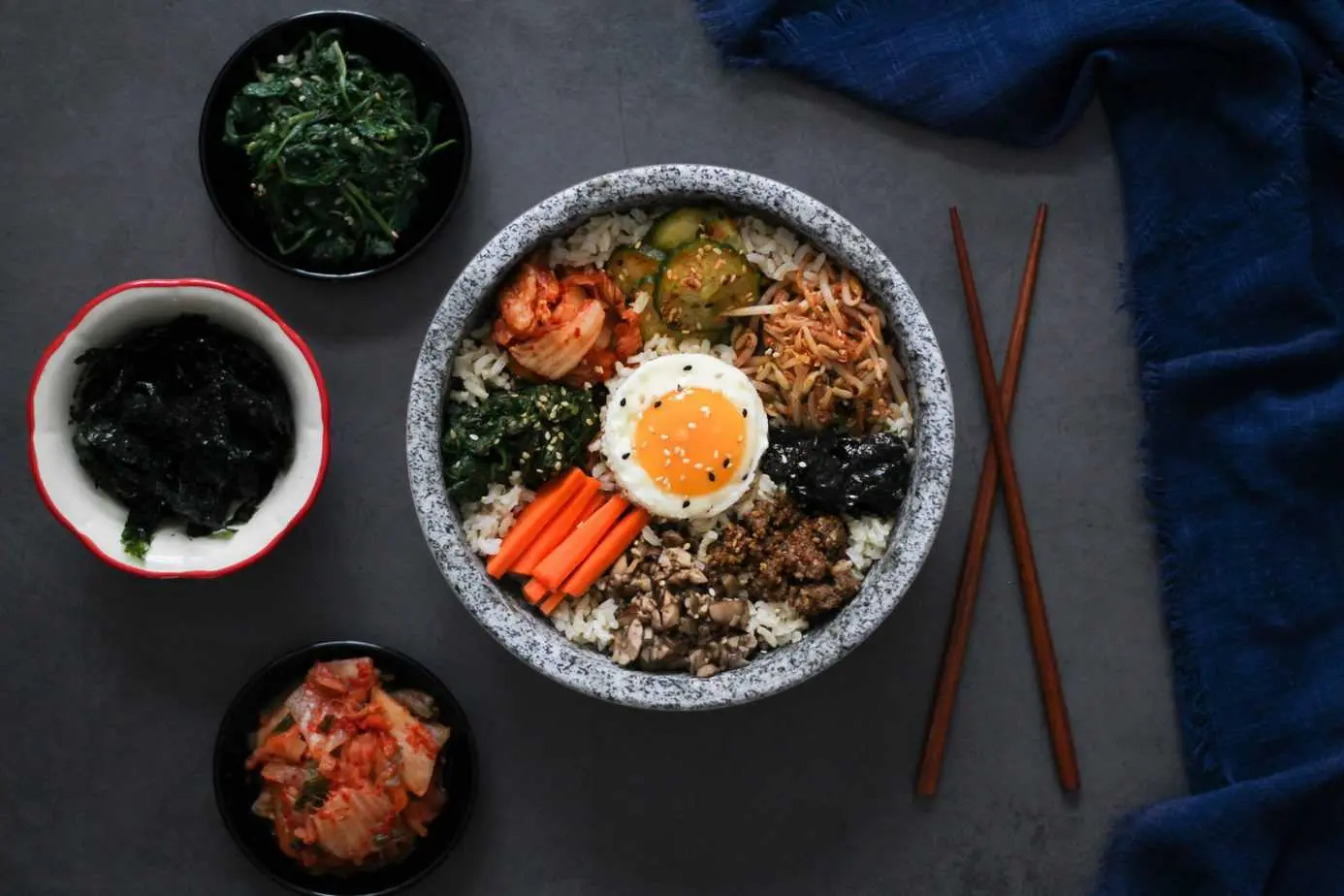
nightglow.info – Dolsot Bibimbap is a classic Korean dish that offers a vibrant and flavorful culinary experience. Served in a hot stone pot, this version of bibimbap enhances the traditional dish with a unique twist—creating a delightful contrast of textures and flavors. This article explores the origins, preparation, and cultural significance of Dolsot Bibimbap.

Origins and Cultural Significance

Bibimbap, which translates to “mixed rice,” is a staple in Korean cuisine with roots tracing back to the late Joseon Dynasty. It originally served as a convenient meal for farmers who needed a nutritious and quick dish. The introduction of the dolsot, or hot stone pot, took this beloved dish to new heights by adding a crispy texture to the rice.

Dolsot Bibimbap is not just a meal but a symbol of harmony and balance, reflecting the principles of Korean culture. Each component of the dish represents different elements and colors, embodying health and prosperity.

Ingredients and Preparation

The beauty of Dolsot Bibimbap lies in its simplicity and versatility, allowing for endless combinations of ingredients based on personal preference and seasonal availability.

Key Ingredients

  1. Rice: Short-grain rice is typically used for its sticky texture, which forms a crispy crust when cooked in the hot stone pot.
  2. Vegetables: Commonly used vegetables include spinach, bean sprouts, carrots, zucchini, and mushrooms, each providing distinct flavors and colors.
  3. Protein: A choice of protein such as beef, chicken, tofu, or a fried egg is often added for additional flavor and nutrition.
  4. Gochujang: This spicy red chili paste is a quintessential component, providing heat and depth to the dish.
  5. Sesame Oil: A drizzle of sesame oil enhances the aroma and adds a nutty flavor.

Preparation Steps

  1. Preparing the Ingredients: Cook and season each vegetable separately to maintain their individual flavors. Slice the protein into thin strips and cook until tender.
  2. Heating the Stone Pot: Place the stone pot on medium heat. Add a little sesame oil to coat the bottom, which helps create a crispy rice layer.
  3. Assembling the Bibimbap: Place the cooked rice in the stone pot, pressing it down slightly. Arrange the vegetables and protein on top in a visually appealing manner.
  4. Adding the Finishing Touches: Top with a raw or fried egg and a dollop of gochujang. Allow the pot to heat for a few minutes until the rice at the bottom becomes golden and crispy.
  5. Mixing and Enjoying: Before eating, mix all the ingredients together thoroughly, allowing the flavors to meld and the heat of the stone pot to continue cooking the dish.

Conclusion

Dolsot Bibimbap is more than just a meal; it’s an interactive dining experience that engages the senses. The sizzling sound, enticing aroma, and vibrant presentation make it a feast for both the eyes and palate. Whether enjoyed in a traditional Korean setting or as a homemade meal, Dolsot Bibimbap offers a delicious and satisfying taste of Korean culture.

Flavors of Gado-Gado: Vegetable Salad with Peanut Sauce

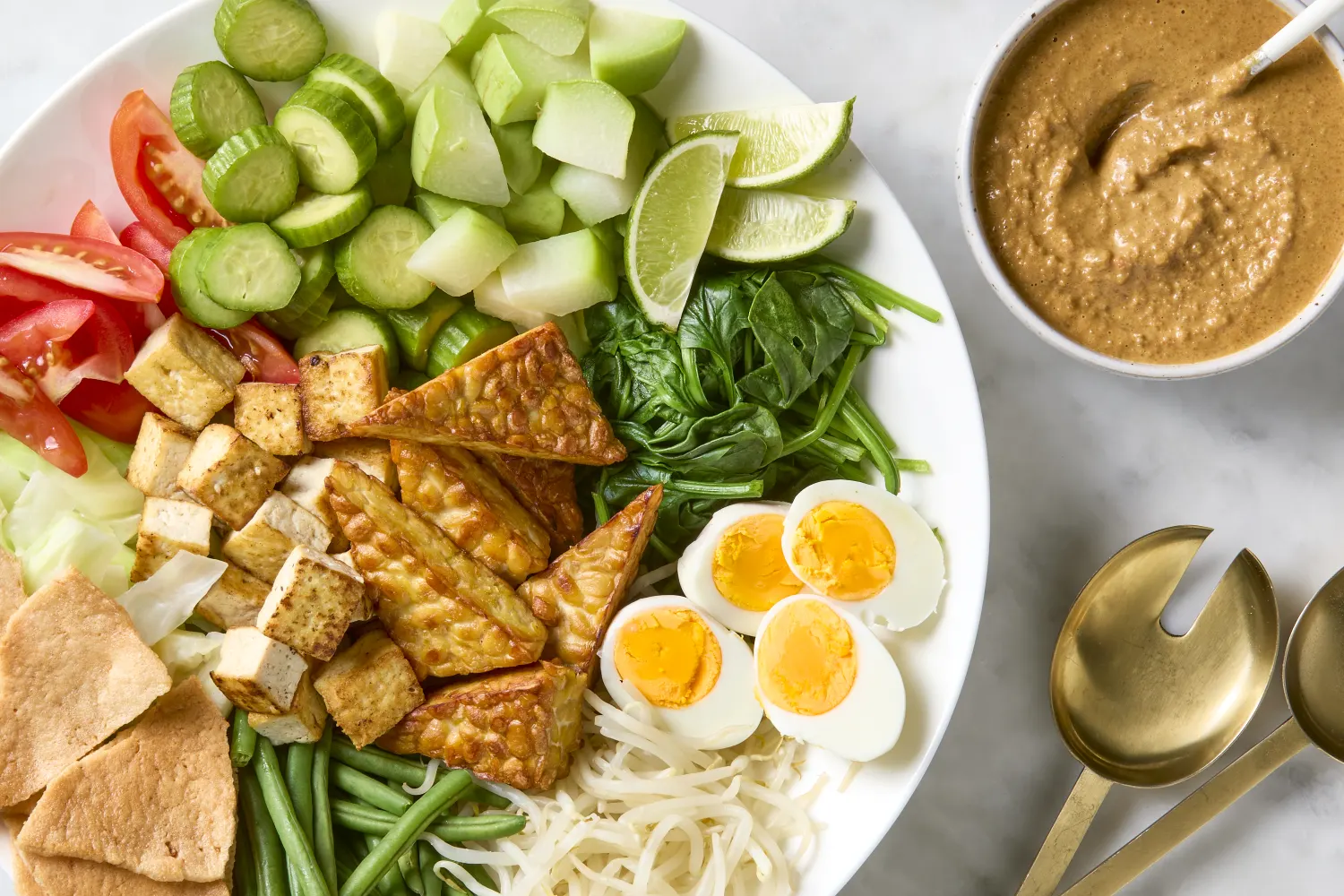
nightglow.info – Gado-Gado, a vibrant and hearty Indonesian salad, is a delightful culinary creation that highlights the rich tapestry of flavors found in Indonesian cuisine. Literally meaning “mix-mix” in Indonesian, Gado-Gado is a harmonious medley of fresh vegetables, tofu, tempeh, boiled eggs, and a scrumptious peanut sauce that ties everything together. This dish is not only a staple in Indonesian households but also a favorite among food enthusiasts worldwide.

The Ingredients of Gado-Gado

At the heart of Gado-Gado is its diverse array of ingredients, each contributing to the dish’s unique taste and texture. Common vegetables used include:

  • Blanched Vegetables: Such as cabbage, bean sprouts, green beans, and spinach.
  • Tofu and Tempeh: These plant-based proteins are typically fried, adding a satisfying crunch.
  • Boiled Potatoes and Eggs: These ingredients add heartiness to the salad.
  • Other Additions: Cucumbers, tomatoes, and lontong (compressed rice cakes) often make their way into the mix.

The star of the dish, however, is undoubtedly the creamy peanut sauce, which brings all the components together.

Crafting the Perfect Peanut Sauce

The peanut sauce is what elevates Gado-Gado from a simple salad to a culinary masterpiece. Made from ground peanuts, the sauce is typically enriched with ingredients like garlic, chilies, tamarind, lime juice, and coconut milk. The combination of sweet, spicy, and tangy flavors creates a complex taste profile that complements the freshness of the vegetables.

To prepare the sauce, peanuts are roasted and then ground into a paste, which is mixed with other ingredients to achieve the desired consistency and flavor. The sauce is often adjusted to taste, allowing for variations in spiciness and sweetness.

The Cultural Significance of Gado-Gado

Gado-Gado is more than just a dish; it is a reflection of Indonesian culture and culinary tradition. It represents the concept of unity through diversity, as various elements come together to create a delicious whole. In many ways, Gado-Gado symbolizes the diverse ethnicities and cultures of Indonesia, unified in harmony.

This dish is commonly served as a main course, enjoyed at family gatherings, street food stalls, and even in high-end restaurants. Its versatility and satisfying nature make it an ideal choice for vegetarians and those seeking a healthy, plant-based meal.

Conclusion

Gado-Gado is a testament to the creativity and flavor complexity of Indonesian cuisine. Its combination of fresh vegetables, fried tofu and tempeh, and the iconic peanut sauce makes it a dish that is cherished both in Indonesia and around the world. Whether you’re looking to explore new culinary landscapes or simply enjoy a hearty salad, Gado-Gado offers a delightful and fulfilling experience.

Hong Kong Street Food: A Adventure Through Dim Sum and More

nightglow.info – Hong Kong, a bustling metropolis where East meets West, is renowned for its vibrant street food scene. This culinary landscape is a testament to the city’s rich cultural heritage and its status as a melting pot of flavors. Among the myriad of offerings, dim sum stands out as a quintessential experience, but the street food scene extends far beyond these iconic bites.

Dim Sum: A Bite-Sized Culinary Journey

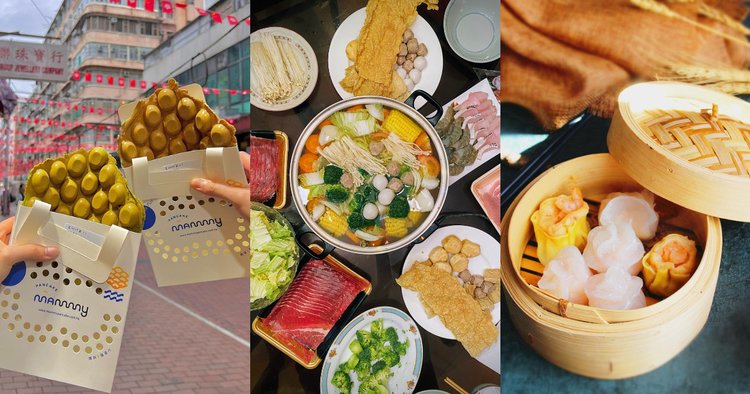
Dim sum, literally meaning “touch the heart,” is a traditional Cantonese cuisine that has become synonymous with Hong Kong’s street food culture. These bite-sized delicacies are served in steaming baskets or on small plates, offering a variety of flavors and textures. From the classic char siu bao (barbecued pork buns) to the delicate har gow (shrimp dumplings), each dim sum item tells a story of tradition and innovation.

The Art of Dim Sum Making

The preparation of dim sum is an art form. Skilled chefs meticulously craft each piece, ensuring that the dough is perfectly folded and the fillings are expertly seasoned. The process is both a culinary and a cultural experience, with each dim sum representing a piece of Hong Kong’s history and heritage.

The Social Aspect of Dim Sum

Dim sum is not just about the food; it’s about the experience. It’s a communal affair, where friends and family gather to share a meal and catch up. The tradition of “yum cha” (drinking tea) while enjoying dim sum is a cherished pastime in Hong Kong, fostering a sense of community and connection.

Beyond Dim Sum: Exploring Hong Kong’s Diverse Street Food

While dim sum is undoubtedly a highlight, Hong Kong’s street food scene offers a plethora of other delights. From savory to sweet, the city’s streets are lined with vendors selling a variety of snacks and meals that cater to every palate.

Savory Delights

Savory treats abound, with options ranging from the famous egg tarts to the more adventurous stinky tofu. Siu mai (pork and shrimp dumplings) and cheung fun (rice noodle rolls) are also popular choices, offering a quick and satisfying meal on the go.

Sweet Temptations

For those with a sweet tooth, Hong Kong’s street food scene does not disappoint. Mango pudding, egg waffles, and bubble tea are just a few of the sweet treats that can be found. These desserts are not only delicious but also visually appealing, making them a favorite among both locals and tourists.

The Cultural Significance of Hong Kong Street Food

Street food in Hong Kong is more than just a culinary experience; it’s a reflection of the city’s cultural identity. It showcases the fusion of Eastern and Western influences, the resilience of its people, and the vibrancy of its society. Street food vendors are often family-run businesses, passing down recipes and techniques through generations, ensuring that these traditions continue to thrive.

Conclusion

Hong Kong’s street food scene, with its emphasis on dim sum and a variety of other delights, offers a unique culinary adventure. It’s a journey through the city’s history, culture, and traditions, all experienced through the lens of food. Whether you’re savoring the delicate flavors of dim sum or exploring the diverse offerings of the street food vendors, Hong Kong promises a feast for the senses that is both memorable and authentic.

The Heart of Royal Hospitality: Palace Kitchens

nightglow.info – The palace kitchen, a bustling hub of culinary creativity and precision, has been the heart of royal hospitality for centuries. These kitchens, often sprawling in size and rich in history, are where the finest ingredients are transformed into exquisite dishes that grace the tables of royalty and their esteemed guests. From the grandeur of Versailles to the elegance of Buckingham Palace, the palace kitchen stands as a testament to the art of royal entertaining.

A Glimpse into the Past

Historically, palace kitchens were vast, multi-roomed spaces equipped to handle the demands of feeding hundreds of people. The kitchens of the Tudor era, for example, were complex operations with separate areas for baking, brewing, and butchery. The cooks, under the command of the Lord Steward, worked tirelessly to prepare sumptuous feasts that reflected the wealth and power of the monarchy.

The French royal kitchens, particularly those at the Palace of Versailles, were equally impressive. They were designed to cater to the opulent lifestyle of the Sun King, Louis XIV, and his court. The kitchens were a marvel of efficiency, with an intricate system of preparation areas, ovens, and spits, all overseen by a hierarchy of chefs and assistants.

The Art of Royal Cuisine

The cuisine prepared in palace kitchens is a blend of tradition and innovation. Chefs are tasked with creating dishes that not only delight the palate but also reflect the cultural heritage and status of the royal family. The menus are often a showcase of the finest seasonal ingredients, prepared with meticulous attention to detail.

One of the most iconic royal dishes is the Baked Alaska, which is said to have been created in 1867 to celebrate the United States’ purchase of Alaska from Russia. This dessert, with its frozen interior and flaming meringue exterior, symbolizes the cold climate of Alaska and the warmth of the United States. It has since become a staple in royal kitchens around the world.

The Role of the Royal Chef

The royal chef is a culinary artist whose skill and creativity are on display at every state banquet, garden party, and royal wedding. The role requires not only exceptional cooking skills but also the ability to manage a large team and adhere to the strict protocols of royal service.

The royal chef must also be adept at tailoring menus to the tastes and dietary requirements of the royal family and their guests. This often involves a delicate balance of tradition and modernity, ensuring that the dishes served are both authentic and innovative.

Modern Royal Kitchens

Today, royal kitchens continue to evolve with the times. While they still retain the grandeur and tradition of the past, they are now equipped with the latest culinary technology. This allows chefs to prepare dishes with even greater precision and efficiency.

The kitchens of Buckingham Palace, for example, have been modernized to meet the needs of contemporary royal entertaining. Yet, they still maintain the charm and history of their predecessors, serving as a bridge between the past and the present.

Conclusion

Palace kitchens are more than just culinary workspaces; they are the heart of royal hospitality. They are where tradition and innovation meet, where the finest ingredients are transformed into masterpieces of gastronomy, and where the art of royal entertaining is practiced with passion and precision. As long as there are royals to entertain, the palace kitchen will continue to be a place of creativity, excellence, and the warmth of hospitality.

Simple Recipes for Newbie Pastry Chefs: Beginner’s Baking

nightglow.info – Baking is an art form that combines science, creativity, and patience. For those just dipping their toes into the world of pastry, the process can seem daunting. However, with the right recipes and a bit of guidance, anyone can embark on a delicious journey into the realm of baking. Here are some simple recipes designed to help newbie pastry chefs build their skills and confidence in the kitchen.

1. Classic Chocolate Chip Cookies

Ingredients:

  • 1 cup (2 sticks) unsalted butter, softened
  • 3/4 cup granulated sugar
  • 3/4 cup packed brown sugar
  • 1 teaspoon vanilla extract
  • 2 large eggs
  • 2 1/4 cups all-purpose flour
  • 1 teaspoon baking soda
  • 1/2 teaspoon salt
  • 2 cups semisweet chocolate chips

Instructions:

  1. Preheat your oven to 375°F (190°C).
  2. In a large bowl, cream together the butter, granulated sugar, brown sugar, and vanilla until smooth.
  3. Beat in the eggs one at a time.
  4. Combine the flour, baking soda, and salt; gradually stir into the creamed mixture.
  5. Stir in chocolate chips.
  6. Drop by rounded spoonfuls onto ungreased baking sheets.
  7. Bake for 10-12 minutes or until edges are golden.
  8. Cool on baking sheets for 2 minutes before transferring to wire racks to cool completely.

2. Basic Vanilla Cupcakes

Ingredients:

  • 1 2/3 cups all-purpose flour
  • 1 cup granulated sugar
  • 1/2 cup (1 stick) unsalted butter, softened
  • 2 large eggs
  • 1/2 cup milk
  • 2 teaspoons baking powder
  • 1/2 teaspoon vanilla extract

Instructions:

  1. Preheat your oven to 350°F (175°C).
  2. In a large bowl, cream together the butter and sugar until light and fluffy.
  3. Beat in the eggs one at a time, then stir in the vanilla.
  4. Combine the flour and baking powder; add to the creamed mixture alternately with milk.
  5. Fill muffin cups lined with paper liners about 2/3 full with batter.
  6. Bake for 18-20 minutes or until a toothpick inserted into the center comes out clean.
  7. Cool for 10 minutes before removing from pans to wire racks.

3. Simple Banana Bread

Ingredients:

  • 1 1/2 cups all-purpose flour
  • 1 teaspoon baking soda
  • 1/2 teaspoon salt
  • 1/4 teaspoon ground nutmeg
  • 3 ripe bananas, mashed
  • 3/4 cup granulated sugar
  • 1/3 cup vegetable oil
  • 2 large eggs
  • 1 teaspoon vanilla extract

Instructions:

  1. Preheat your oven to 350°F (175°C).
  2. In a large bowl, combine the flour, baking soda, salt, and nutmeg.
  3. In another bowl, mix the mashed bananas, sugar, oil, eggs, and vanilla.
  4. Add the banana mixture to the flour mixture; stir just until moistened.
  5. Pour into a greased 9×5-inch loaf pan.
  6. Bake for 50-60 minutes or until a toothpick inserted into the center comes out clean.
  7. Cool for 10 minutes before removing from pan to a wire rack.

Tips for Successful Baking:

  • Measure Accurately: Use dry measuring cups for flour and solid ingredients, and liquid measuring cups for milk, oil, and other liquids.
  • Room Temperature Ingredients: Make sure your eggs, butter, and other dairy products are at room temperature for easier mixing and better texture.
  • Don’t Overmix: Mix ingredients until just combined, especially when adding flour to the wet mixture. Overmixing can lead to tough baked goods.
  • Follow the Recipe: Until you’re more comfortable with baking, stick closely to the recipe’s instructions and ingredient measurements.
  • Use a Timer: Set a timer to avoid overbaking your treats.

Baking is a skill that improves with practice and patience. These simple recipes are designed to help beginners develop their technique and understanding of basic baking principles. With each batch of cookies, cupcakes, or loaves of banana bread, you’ll gain confidence and experience, setting the stage for more complex pastry projects in the future. Happy baking!

Enjoy Snack Sustainability Without Harming the Planet

In an era where environmental consciousness is at an all-time high, consumers are increasingly looking for ways to enjoy their favorite snacks without harming the planet. Snack sustainability is not just a trend; it’s a necessary step towards a healthier, more sustainable future. With the right choices, you can indulge in delicious treats while minimizing your ecological footprint. Here’s how you can enjoy snacks sustainably without compromising on taste or convenience.

  1. Choose Organic and Locally Sourced Snacks:
    Opting for organic snacks ensures that the production process is more environmentally friendly, as it avoids synthetic pesticides and fertilizers that can harm ecosystems. Additionally, supporting local farmers and producers reduces the carbon footprint associated with long-distance transportation. Look for farmers’ markets, community-supported agriculture (CSA) programs, or local grocery stores that stock regionally sourced snacks.
  2. Select Snacks with Minimal Packaging:
    Excessive packaging, especially single-use plastics, is a significant contributor to landfill waste. Choose snacks that come in recyclable, biodegradable, or compostable packaging. Bulk bins are a great option for purchasing snacks like nuts, dried fruits, and granola without the added waste of individual packaging. Bring your own reusable containers or bags to further reduce waste.
  3. Go for Whole Foods:
    Whole foods like fruits, vegetables, nuts, and seeds are not only good for your health but also for the planet. They require less processing and packaging compared to manufactured snacks. Plus, they are often more sustainable to produce, as they don’t involve complex industrial processes that consume energy and resources.
  4. Support Brands with Sustainable Practices:
    Many companies are now adopting sustainable practices, such as using renewable energy, reducing water usage, and implementing zero-waste policies. Look for certifications like Fair Trade, Rainforest Alliance, or B Corp, which indicate that a brand meets certain environmental and social standards.
  5. Reduce Food Waste:
    Food waste is a significant environmental issue, contributing to greenhouse gas emissions and wasting resources used in production. Plan your snack purchases carefully, buy only what you need, and store perishable snacks properly to extend their shelf life. If you do have leftovers, consider composting to recycle nutrients back into the soil.
  6. DIY Snacks:
    Making your own snacks at home can be a fun and sustainable way to enjoy treats. You have control over the ingredients, can reduce packaging waste, and often save money. From homemade granola bars to fruit leather or roasted chickpeas, there are endless possibilities for delicious, homemade snacks.
  7. Educate Yourself and Others:
    Stay informed about the environmental impact of different snack options. Share your knowledge with friends and family to encourage them to make sustainable choices as well. The collective impact of many small changes can lead to significant positive outcomes for the planet.

Conclusion:
Snack sustainability is within reach for everyone. By choosing organic, locally sourced, minimally packaged, and whole food snacks, supporting sustainable brands, reducing food waste, and making your own treats, you can enjoy delicious snacks without harming the planet. It’s a simple yet powerful way to contribute to a more sustainable future, one snack at a time. Remember, every choice counts, and together, we can make a difference.

Shining on Plates: The Luxurious World of Edible Gold

In the culinary world, the quest for the extraordinary often leads to the exploration of rare and exquisite ingredients. Among these, edible gold stands out as a symbol of opulence and extravagance, adding a touch of brilliance to the plates of the world’s most luxurious dishes. This precious metal, known for its luster and malleability, has been used in food and drink for centuries, transcending mere consumption to become an art form.

The History of Edible Gold:
The use of gold in cuisine dates back to ancient times. In the Middle Ages, gold was believed to have medicinal properties, and it was often used in potions and elixirs. It was also a status symbol, reserved for the wealthiest individuals who could afford to consume it. Today, while the medicinal claims have been debunked, the allure of edible gold remains, with chefs and mixologists around the world incorporating it into their creations.

The Making of Edible Gold:
Edible gold is made from pure 24-karat gold, which is beaten into incredibly thin leaves or pressed into flakes and powder. The process requires precision and skill, as the gold must be handled delicately to achieve the desired form. Once prepared, it is safe for consumption because it passes through the body unchanged, without being absorbed.

Culinary Applications:
Edible gold can be found adorning a variety of dishes, from gourmet entrees to decadent desserts. It is often used to garnish the tops of cakes, chocolates, and pastries, adding a shimmering finish that captivates the eye. In savory dishes, it might be sprinkled over a plate of sushi, draped over a piece of seared foie gras, or even mixed into a gourmet burger.

Beverages also benefit from the luxurious touch of gold. High-end cocktails, champagnes, and even coffee can be seen with a hint of gold, providing a visual spectacle that complements the taste experience. The gold adds no flavor, allowing the base ingredients to shine, while the visual impact elevates the drinking experience to something truly special.

The Allure of Edible Gold:
The appeal of edible gold lies in its exclusivity and the visual impact it brings to the table. It is not just a garnish but a statement, a way for chefs to express their creativity and for consumers to indulge in a bit of luxury. The use of gold in food and drink is a testament to the human desire for the extraordinary, a quest for experiences that transcend the ordinary.

Sustainability and Ethics:
While edible gold is a symbol of luxury, its production and use raise questions about sustainability and ethics. The mining of gold can have significant environmental impacts, and there are concerns about the working conditions in some gold-producing regions. Consumers and chefs alike are increasingly looking for assurances that the gold used in their dishes is sourced responsibly, ensuring that the luxury does not come at the cost of the planet or its people.

Conclusion:
The luxurious world of edible gold continues to shine on plates around the globe, offering a taste of opulence that is as much about the visual experience as it is about the culinary. As chefs push the boundaries of creativity and consumers seek out unique dining experiences, edible gold remains a symbol of the extraordinary, a precious metal that transforms food into art. Whether sprinkled over a dessert or swirled into a cocktail, edible gold adds a touch of brilliance that is truly unforgettable.