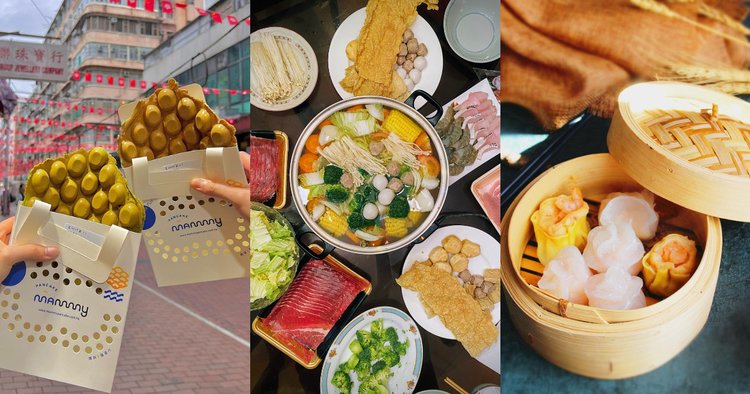
Hong Kong Street Food: A Adventure Through Dim Sum and More

nightglow.info – Hong Kong, a bustling metropolis where East meets West, is renowned for its vibrant street food scene. This culinary landscape is a testament to the city’s rich cultural heritage and its status as a melting pot of flavors. Among the myriad of offerings, dim sum stands out as a quintessential experience, but the street food scene extends far beyond these iconic bites.

Dim Sum: A Bite-Sized Culinary Journey

Dim sum, literally meaning “touch the heart,” is a traditional Cantonese cuisine that has become synonymous with Hong Kong’s street food culture. These bite-sized delicacies are served in steaming baskets or on small plates, offering a variety of flavors and textures. From the classic char siu bao (barbecued pork buns) to the delicate har gow (shrimp dumplings), each dim sum item tells a story of tradition and innovation.

The Art of Dim Sum Making

The preparation of dim sum is an art form. Skilled chefs meticulously craft each piece, ensuring that the dough is perfectly folded and the fillings are expertly seasoned. The process is both a culinary and a cultural experience, with each dim sum representing a piece of Hong Kong’s history and heritage.

The Social Aspect of Dim Sum

Dim sum is not just about the food; it’s about the experience. It’s a communal affair, where friends and family gather to share a meal and catch up. The tradition of “yum cha” (drinking tea) while enjoying dim sum is a cherished pastime in Hong Kong, fostering a sense of community and connection.

Beyond Dim Sum: Exploring Hong Kong’s Diverse Street Food

While dim sum is undoubtedly a highlight, Hong Kong’s street food scene offers a plethora of other delights. From savory to sweet, the city’s streets are lined with vendors selling a variety of snacks and meals that cater to every palate.

Savory Delights

Savory treats abound, with options ranging from the famous egg tarts to the more adventurous stinky tofu. Siu mai (pork and shrimp dumplings) and cheung fun (rice noodle rolls) are also popular choices, offering a quick and satisfying meal on the go.

Sweet Temptations

For those with a sweet tooth, Hong Kong’s street food scene does not disappoint. Mango pudding, egg waffles, and bubble tea are just a few of the sweet treats that can be found. These desserts are not only delicious but also visually appealing, making them a favorite among both locals and tourists.

The Cultural Significance of Hong Kong Street Food

Street food in Hong Kong is more than just a culinary experience; it’s a reflection of the city’s cultural identity. It showcases the fusion of Eastern and Western influences, the resilience of its people, and the vibrancy of its society. Street food vendors are often family-run businesses, passing down recipes and techniques through generations, ensuring that these traditions continue to thrive.

Conclusion

Hong Kong’s street food scene, with its emphasis on dim sum and a variety of other delights, offers a unique culinary adventure. It’s a journey through the city’s history, culture, and traditions, all experienced through the lens of food. Whether you’re savoring the delicate flavors of dim sum or exploring the diverse offerings of the street food vendors, Hong Kong promises a feast for the senses that is both memorable and authentic.
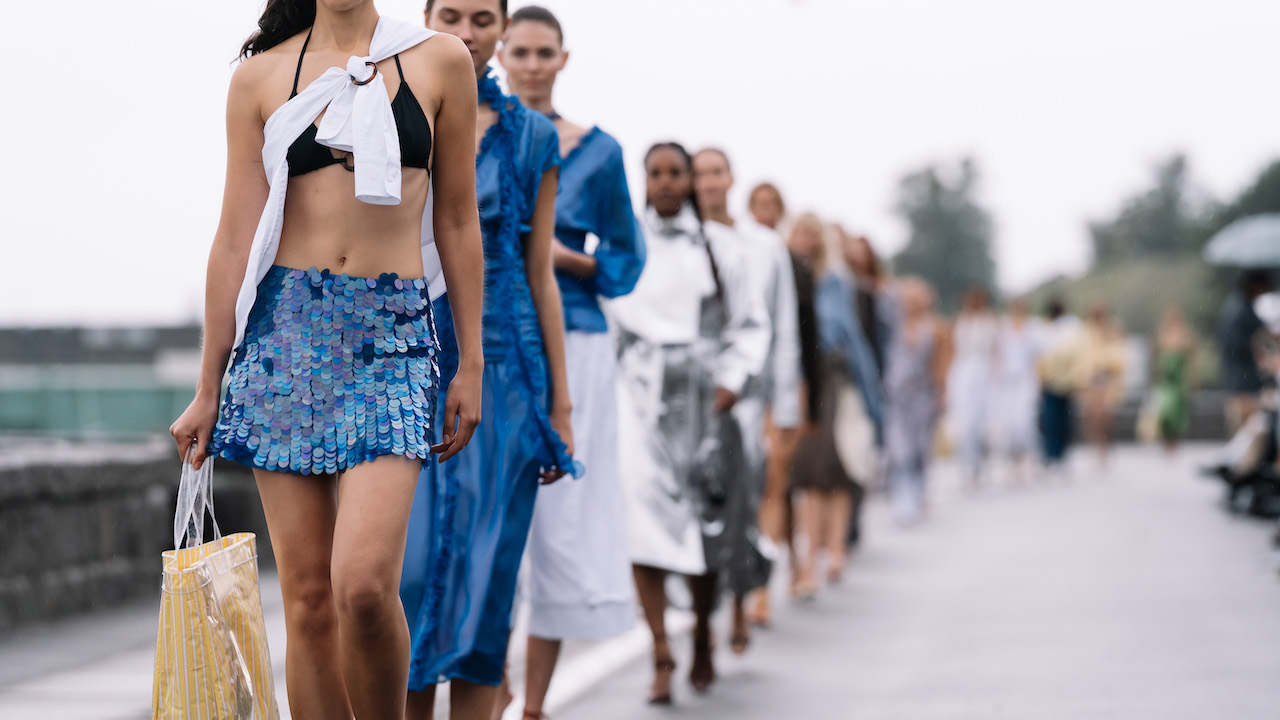
Bridging the Gap at Fashion Week: Street Style to Runway

nightglow.info – Fashion Week has long been the epicenter of high fashion, where designers showcase their latest collections, and industry insiders, celebrities, and fashion enthusiasts gather to witness the birth of new trends. However, in recent years, the streets outside these exclusive venues have become almost as influential as the runways themselves. The rise of street style photography has not only democratized fashion but also blurred the lines between what’s worn on the street and what’s presented on the runway. This phenomenon has led to a fascinating interplay between street style and runway fashion, bridging the gap between high fashion and everyday wear.

The Evolution of Street Style

Street style photography began as a niche interest, with pioneers like Bill Cunningham capturing the essence of New York City’s fashion-forward individuals. Today, it has become a global phenomenon, with photographers and bloggers flocking to Fashion Weeks in cities like New York, London, Paris, and Milan to document the sartorial choices of attendees. Social media platforms have amplified the reach of these images, turning street style stars into influencers and trendsetters.

From Runway to Street and Back

The influence of street style on runway fashion is undeniable. Designers are increasingly looking to the streets for inspiration, incorporating elements of streetwear and casual dressing into their collections. This shift reflects a broader cultural movement towards a more relaxed and inclusive approach to fashion, where the boundaries between high and low, luxury and street, are constantly being redefined.

Conversely, runway trends quickly make their way onto the streets, as fashion-forward individuals experiment with new silhouettes, colors, and textures. The cycle is continuous, with each season bringing fresh ideas that are rapidly absorbed and reinterpreted by the street style community.

Bridging the Gap

The gap between street style and runway fashion is being bridged in several ways:

  1. Collaborations: Designers are collaborating with streetwear brands, bringing high fashion aesthetics to a wider audience. These partnerships often result in collections that seamlessly blend the worlds of high fashion and street style.
  2. Social Media: Platforms like Instagram and TikTok have become powerful tools for both designers and street style stars to showcase their looks. This instant sharing of images and videos has accelerated the pace at which trends travel from the runway to the street and vice versa.
  3. Inclusive Casting: Fashion Weeks are increasingly featuring models who embody the diversity of street style, from different body types to various cultural backgrounds. This inclusivity reflects the real-world diversity seen on the streets and helps to make runway fashion more relatable.
  4. See-Now-Buy-Now: Some brands are adopting a see-now-buy-now model, allowing consumers to purchase runway looks immediately. This approach breaks down the traditional barriers between fashion weeks and the retail calendar, making high fashion more accessible and relevant to everyday life.

The Future of Fashion

As the lines between street style and runway fashion continue to blur, the future of fashion is likely to be more democratic, diverse, and responsive to the tastes and preferences of a global audience. Fashion Weeks will continue to be important events, but they will exist in a more fluid relationship with the street style that surrounds them.

In conclusion, the bridge between street style and runway fashion at Fashion Week is not just a physical space outside the venues; it’s a cultural phenomenon that reflects a changing fashion landscape. It’s a testament to the power of individual expression and the influence of the everyday fashion enthusiast. As we look to the future, it’s clear that the dialogue between the street and the runway will continue to shape the trends and tastes of tomorrow.