
Shrew Food: A Comprehensive Guide to Feeding Shrews

nightglow.info – Shrews are small, insectivorous mammals known for their voracious appetites and high metabolic rates. Despite their size, they consume a significant amount of food daily to sustain their energy levels. In the wild, shrews primarily eat insects, but their diet also includes small vertebrates, plants, and seeds. This article will explore the natural diet of shrews, their feeding behavior, and how to care for their dietary needs in captivity.

1. Understanding Shrew Dietary Needs

Shrews have one of the fastest metabolisms of any mammal, requiring them to eat up to 80-90% of their body weight in food each day. Their high-energy needs mean that they are constantly on the hunt for food and can starve within a few hours if not fed. To keep shrews healthy and active, they need a diet rich in protein, fats, and, occasionally, carbohydrates.

Key Nutrients for Shrews:

  • Protein: Essential for their energy requirements, muscle repair, and overall health.
  • Fats: A source of sustained energy.
  • Carbohydrates: While not as important as protein and fats, some shrews consume small amounts of plant material for additional nutrients.

2. Insectivorous Diet: The Primary Food Source

Shrews are primarily insectivorous, meaning their diet consists mainly of insects. Their sharp teeth and keen sense of smell make them efficient hunters. In the wild, shrews consume a wide range of invertebrates, including:

Common Prey for Shrews:

  • Beetles: A staple in the diet of many shrews.
  • Worms: Earthworms provide a rich source of protein and are easy for shrews to catch.
  • Spiders: Shrews hunt spiders as part of their natural insectivorous diet.
  • Crickets: High in protein, crickets are a common prey item for shrews.
  • Slugs and snails: These soft-bodied invertebrates are also favored by shrews.

Insectivorous diets provide the protein and fat content that shrews need to maintain their energy levels. In captivity, shrews can be fed live or dried insects to mimic their natural feeding habits.

3. Small Vertebrates and Other Prey

Some larger species of shrews are also known to hunt small vertebrates, such as frogs, lizards, or even small rodents. These hunts provide a substantial meal, though vertebrates are less common in their overall diet. In captivity, it’s not necessary to offer small vertebrates, as shrews can thrive on a diet of insects and other protein-rich foods.

Vertebrate Prey in the Wild:

  • Frogs and small amphibians: Occasionally hunted by larger shrews.
  • Small rodents: Some species of shrews may prey on smaller mammals, especially when food is scarce.

4. Plant Material and Seeds: Occasional Supplements

While shrews are predominantly insectivorous, some species may occasionally consume plant material, seeds, or fungi, especially when insects are scarce. These plant-based foods provide additional carbohydrates and nutrients but are not a major part of a shrew’s diet.

Plant Material in a Shrew’s Diet:

  • Seeds: Certain species of shrews have been known to consume seeds, particularly in colder months when insects are less available.
  • Berries: Some shrews will eat small amounts of berries or fruit when available.
  • Fungi: Shrews may occasionally consume fungi in their natural environment.

In captivity, shrews do not require a significant amount of plant material, but small amounts of seeds or fruit can be offered as a treat or supplement.

5. Feeding Shrews in Captivity

Shrews kept in captivity, whether for research, rehabilitation, or as pets, require a diet that closely replicates their wild eating habits. To ensure their health and energy levels, they should be provided with a steady supply of insects and other protein-rich foods.

Common Foods for Captive Shrews:

  • Mealworms: A high-protein food source that is easy to digest and readily available.
  • Crickets and grasshoppers: These are excellent choices for maintaining a shrew’s protein intake.
  • Waxworms: Though high in fat, these should be fed sparingly to prevent obesity.
  • Earthworms: A natural and nutritious option that many shrews enjoy.

Shrews must be fed frequently, as their high metabolism requires near-constant energy intake. Feeding them every few hours is essential, especially for younger or more active shrews. A varied diet will help ensure they get the right balance of nutrients.

6. Hydration: Fresh Water Supply

Shrews need access to clean, fresh water at all times. In the wild, they may obtain some of their moisture from the prey they consume, but in captivity, providing a water dish or a small water bottle is essential.

7. Feeding Behavior and Schedule

Shrews are active both day and night, constantly foraging for food to fuel their rapid metabolism. In captivity, a frequent feeding schedule should be maintained to mimic their natural eating patterns. Ideally, shrews should be offered food every few hours, with larger portions provided in the evening when they are most active.

8. Foods to Avoid

Some foods are harmful or inappropriate for shrews, and these should be avoided to maintain their health:

  • Processed foods: Shrews should not be fed any human processed foods, as they can cause digestive issues.
  • Sugary foods: Avoid offering sugary fruits or snacks that can upset their delicate system.
  • Dairy products: Shrews are not able to digest dairy and should not be given milk or cheese.

9. Conclusion

Shrews have incredibly high metabolic demands, requiring a diet rich in protein and fat to keep them healthy and active. In the wild, their diet consists mainly of insects, with some species occasionally hunting small vertebrates or consuming plant material. In captivity, it is essential to provide a varied and frequent diet of insects like mealworms, crickets, and earthworms to replicate their natural eating habits. Fresh water should always be available, and caregivers should avoid offering harmful foods. By meeting these dietary needs, shrews can thrive and maintain their energetic lifestyle.
Hong Kong Street Food: A Adventure Through Dim Sum and More

nightglow.info – Hong Kong, a bustling metropolis where East meets West, is renowned for its vibrant street food scene. This culinary landscape is a testament to the city’s rich cultural heritage and its status as a melting pot of flavors. Among the myriad of offerings, dim sum stands out as a quintessential experience, but the street food scene extends far beyond these iconic bites.

Dim Sum: A Bite-Sized Culinary Journey

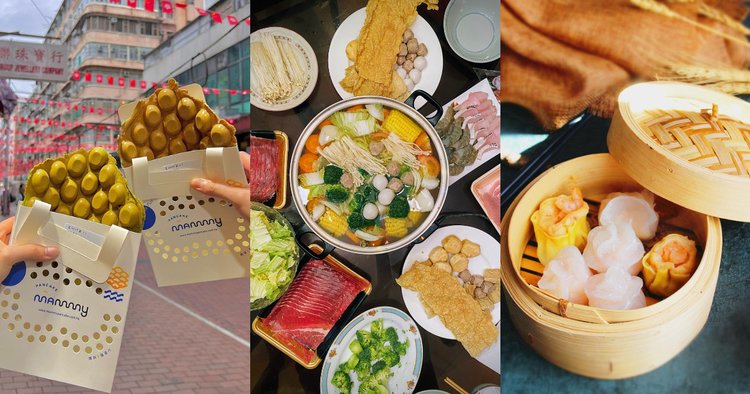
Dim sum, literally meaning “touch the heart,” is a traditional Cantonese cuisine that has become synonymous with Hong Kong’s street food culture. These bite-sized delicacies are served in steaming baskets or on small plates, offering a variety of flavors and textures. From the classic char siu bao (barbecued pork buns) to the delicate har gow (shrimp dumplings), each dim sum item tells a story of tradition and innovation.

The Art of Dim Sum Making

The preparation of dim sum is an art form. Skilled chefs meticulously craft each piece, ensuring that the dough is perfectly folded and the fillings are expertly seasoned. The process is both a culinary and a cultural experience, with each dim sum representing a piece of Hong Kong’s history and heritage.

The Social Aspect of Dim Sum

Dim sum is not just about the food; it’s about the experience. It’s a communal affair, where friends and family gather to share a meal and catch up. The tradition of “yum cha” (drinking tea) while enjoying dim sum is a cherished pastime in Hong Kong, fostering a sense of community and connection.

Beyond Dim Sum: Exploring Hong Kong’s Diverse Street Food

While dim sum is undoubtedly a highlight, Hong Kong’s street food scene offers a plethora of other delights. From savory to sweet, the city’s streets are lined with vendors selling a variety of snacks and meals that cater to every palate.

Savory Delights

Savory treats abound, with options ranging from the famous egg tarts to the more adventurous stinky tofu. Siu mai (pork and shrimp dumplings) and cheung fun (rice noodle rolls) are also popular choices, offering a quick and satisfying meal on the go.

Sweet Temptations

For those with a sweet tooth, Hong Kong’s street food scene does not disappoint. Mango pudding, egg waffles, and bubble tea are just a few of the sweet treats that can be found. These desserts are not only delicious but also visually appealing, making them a favorite among both locals and tourists.

The Cultural Significance of Hong Kong Street Food

Street food in Hong Kong is more than just a culinary experience; it’s a reflection of the city’s cultural identity. It showcases the fusion of Eastern and Western influences, the resilience of its people, and the vibrancy of its society. Street food vendors are often family-run businesses, passing down recipes and techniques through generations, ensuring that these traditions continue to thrive.

Conclusion

Hong Kong’s street food scene, with its emphasis on dim sum and a variety of other delights, offers a unique culinary adventure. It’s a journey through the city’s history, culture, and traditions, all experienced through the lens of food. Whether you’re savoring the delicate flavors of dim sum or exploring the diverse offerings of the street food vendors, Hong Kong promises a feast for the senses that is both memorable and authentic.

Shining on Plates: The Luxurious World of Edible Gold

In the culinary world, the quest for the extraordinary often leads to the exploration of rare and exquisite ingredients. Among these, edible gold stands out as a symbol of opulence and extravagance, adding a touch of brilliance to the plates of the world’s most luxurious dishes. This precious metal, known for its luster and malleability, has been used in food and drink for centuries, transcending mere consumption to become an art form.

The History of Edible Gold:
The use of gold in cuisine dates back to ancient times. In the Middle Ages, gold was believed to have medicinal properties, and it was often used in potions and elixirs. It was also a status symbol, reserved for the wealthiest individuals who could afford to consume it. Today, while the medicinal claims have been debunked, the allure of edible gold remains, with chefs and mixologists around the world incorporating it into their creations.

The Making of Edible Gold:
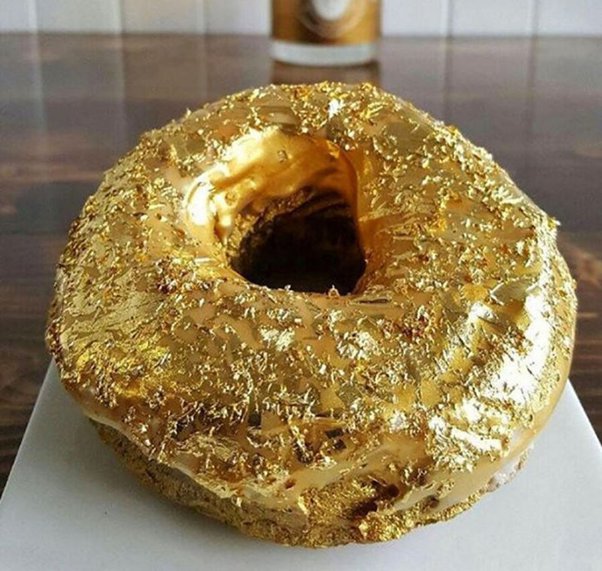
Edible gold is made from pure 24-karat gold, which is beaten into incredibly thin leaves or pressed into flakes and powder. The process requires precision and skill, as the gold must be handled delicately to achieve the desired form. Once prepared, it is safe for consumption because it passes through the body unchanged, without being absorbed.

Culinary Applications:
Edible gold can be found adorning a variety of dishes, from gourmet entrees to decadent desserts. It is often used to garnish the tops of cakes, chocolates, and pastries, adding a shimmering finish that captivates the eye. In savory dishes, it might be sprinkled over a plate of sushi, draped over a piece of seared foie gras, or even mixed into a gourmet burger.

Beverages also benefit from the luxurious touch of gold. High-end cocktails, champagnes, and even coffee can be seen with a hint of gold, providing a visual spectacle that complements the taste experience. The gold adds no flavor, allowing the base ingredients to shine, while the visual impact elevates the drinking experience to something truly special.

The Allure of Edible Gold:
The appeal of edible gold lies in its exclusivity and the visual impact it brings to the table. It is not just a garnish but a statement, a way for chefs to express their creativity and for consumers to indulge in a bit of luxury. The use of gold in food and drink is a testament to the human desire for the extraordinary, a quest for experiences that transcend the ordinary.

Sustainability and Ethics:
While edible gold is a symbol of luxury, its production and use raise questions about sustainability and ethics. The mining of gold can have significant environmental impacts, and there are concerns about the working conditions in some gold-producing regions. Consumers and chefs alike are increasingly looking for assurances that the gold used in their dishes is sourced responsibly, ensuring that the luxury does not come at the cost of the planet or its people.

Conclusion:
The luxurious world of edible gold continues to shine on plates around the globe, offering a taste of opulence that is as much about the visual experience as it is about the culinary. As chefs push the boundaries of creativity and consumers seek out unique dining experiences, edible gold remains a symbol of the extraordinary, a precious metal that transforms food into art. Whether sprinkled over a dessert or swirled into a cocktail, edible gold adds a touch of brilliance that is truly unforgettable.