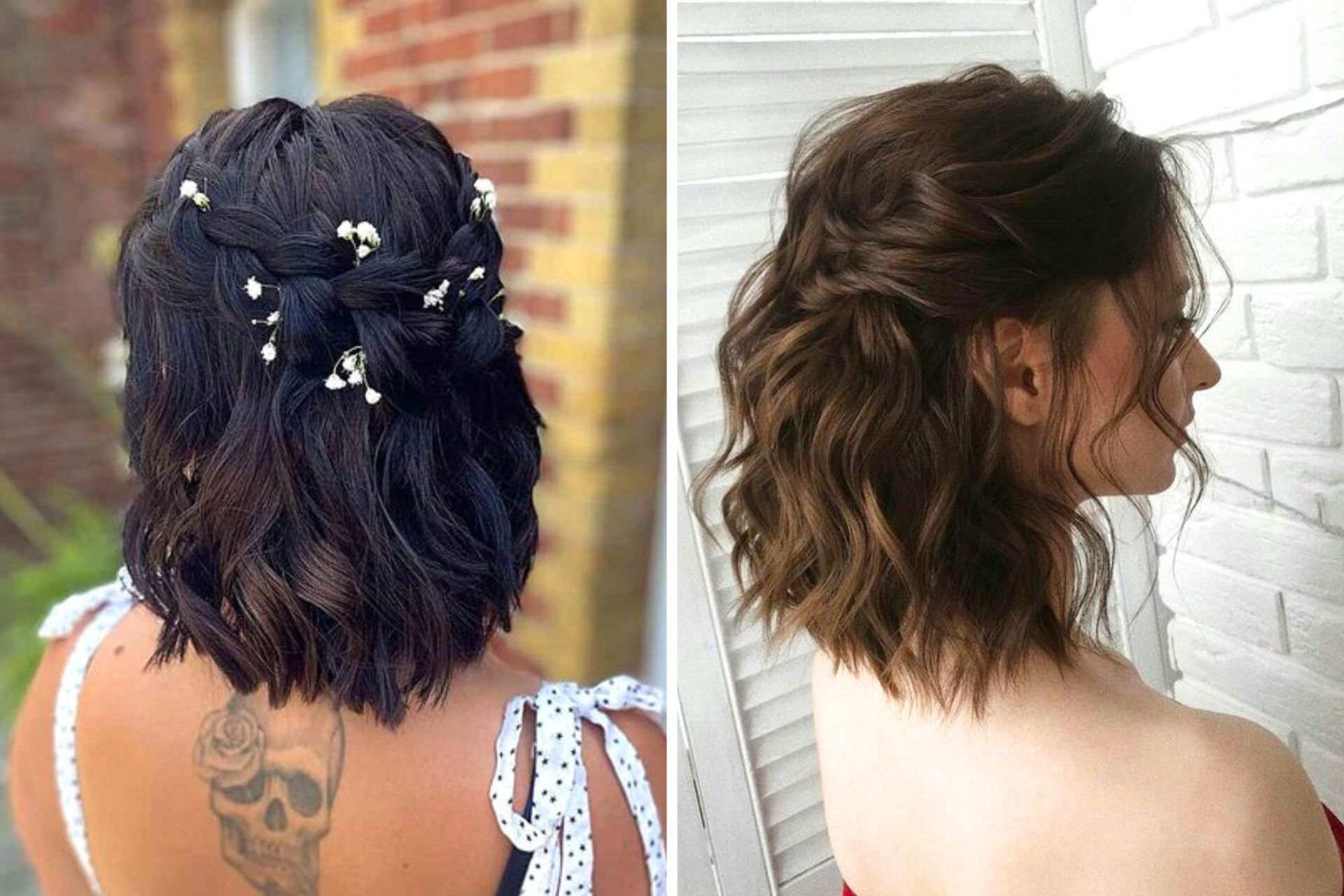
Surprisingly Chic Options: Updos for Short Hair

nightglow.info – When it comes to updos, many people assume that long hair is a prerequisite for achieving elegant and sophisticated styles. However, this couldn’t be further from the truth. Short hair can be just as versatile and chic when it comes to updos. Here are some surprisingly stylish options for those with shorter locks.

1. The Textured Bun

A textured bun is a classic updo that works wonderfully for short hair. To achieve this look, start by backcombing your hair at the crown to add volume. Then, gather your hair at the nape of your neck and twist it into a bun. Secure with bobby pins, leaving some strands loose to frame your face. This style is perfect for a casual day out or a more formal event.

2. The Half-Up, Half-Down Twist

This style is both effortless and chic. Take the top section of your hair and twist it back, securing it with a clip or pin at the back. The rest of your hair can be left down for a relaxed feel. This look is ideal for those who want to keep their hair out of their face while still showing off their short cut.

3. The Sleek Ponytail

A sleek ponytail is a go-to for many, but it can be particularly striking with short hair. Use a smoothing serum to tame any flyaways and pull your hair back into a low or high ponytail. Secure with an elastic and wrap a small section of hair around the base to hide it. This style is perfect for a professional setting or a night out.

4. The Braided Updo

Braids aren’t just for long hair. With short hair, you can create a delicate braided updo by French braiding or Dutch braiding your hair and wrapping it around the crown of your head. Secure with pins and leave some strands loose for a soft, romantic look. This style is great for weddings or any special occasion.

5. The Top Knot

The top knot is a trendy and easy updo for short hair. Gather your hair on top of your head and secure it with an elastic. Then, tease the ponytail and wrap it around the base to create a knot. Secure with pins and finish with hairspray. This style is perfect for those who want to make a statement.

6. The Rolled Updo

For a vintage-inspired look, try the rolled updo. Create a deep side part and roll sections of your hair towards the back, securing them with pins. This style is elegant and timeless, making it a great choice for formal events.

7. The Faux Bob

If you have a pixie cut or a very short bob, you can create the illusion of a longer bob by using hair extensions. Clip in the extensions, then style your hair into a sleek, low updo. This faux bob look is perfect for those who want to switch up their style for a special occasion.

Conclusion

Updos for short hair are not only possible but can be incredibly stylish and versatile. Whether you’re looking for a casual, everyday style or something more elegant for a special event, there’s an updo out there that can work for you. With a little creativity and the right styling tools, you can transform your short hair into a chic and sophisticated updo that will turn heads.
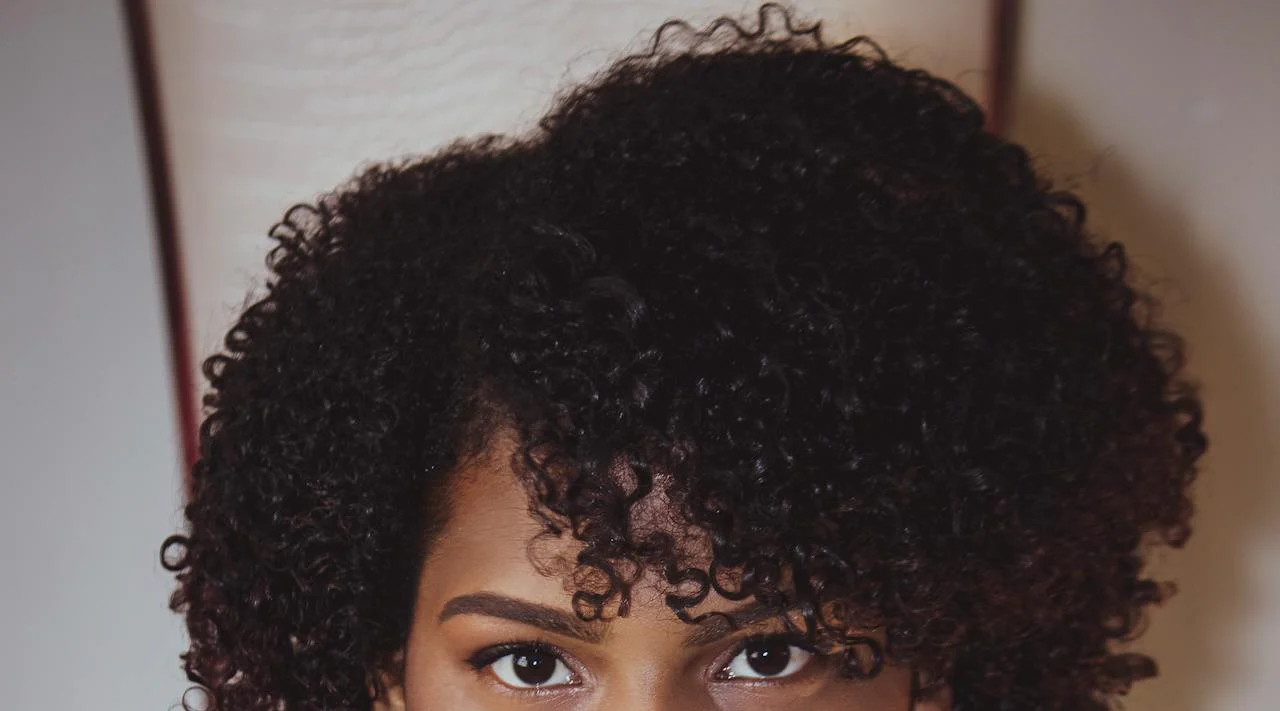
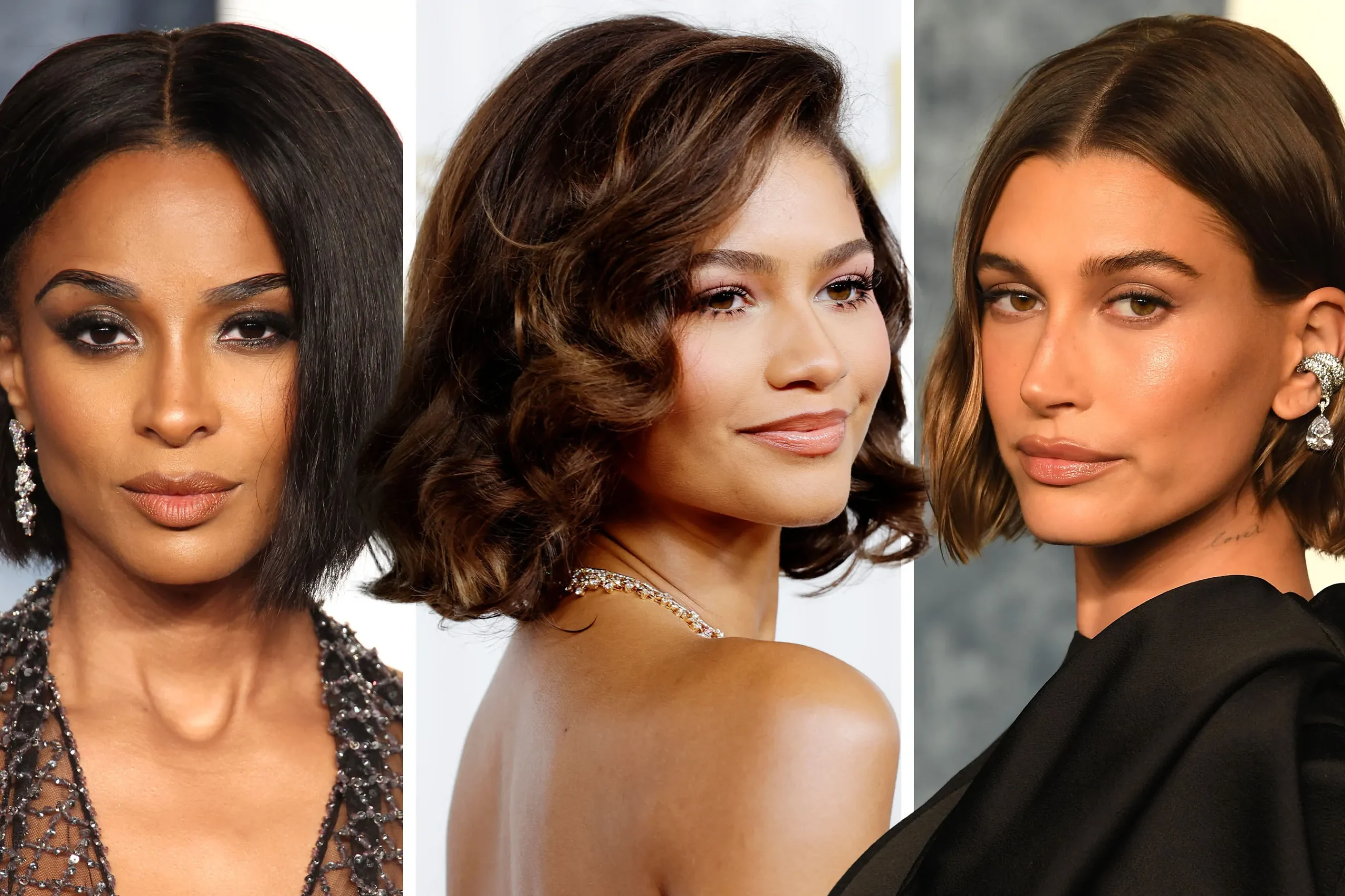
Understanding Your Curl Pattern: The Science of Curly Hair

nightglow.info – Curly hair is more than just a hairstyle; it’s a unique texture that requires special care and understanding. The science behind curly hair involves a complex interplay of genetics, hair structure, and environmental factors. Understanding the basics of curly hair science can empower individuals with curls to better care for their hair, enhance their natural texture, and embrace their curl pattern.

The Anatomy of a Curl

Curly hair gets its shape from the structure of the hair follicle. Unlike straight hair, which grows out of a round follicle, curly hair grows from an asymmetrically shaped follicle, causing the hair to grow in a spiral pattern. This spiral shape is what gives curly hair its distinctive texture and appearance.

Understanding Your Curl Pattern

Curl patterns can vary widely, ranging from loose waves to tight coils. The most common classification system for curly hair is the Andre Walker Hair Typing System, which categorizes curl patterns into four main types: Type 2 (wavy), Type 3 (curly), and Type 4 (coily). Each type is further divided into subcategories (A, B, C) based on the size and tightness of the curls.

  • Type 2 (Wavy Hair): This hair type has a slight bend to it and can range from loose waves (2A) to more defined S-shaped waves (2B) and even more pronounced waves with a hint of curl (2C).
  • Type 3 (Curly Hair): Characterized by well-defined curls, this type ranges from loose, big curls (3A) to tighter, springy curls (3B) and very tight, corkscrew curls (3C).
  • Type 4 (Coily Hair): This hair type is tightly coiled and can range from tight, S-shaped coils (4A) to tight, Z-shaped coils (4B) and very tight, kinky coils (4C).

The Importance of Curl Pattern in Hair Care

Understanding your curl pattern is crucial for choosing the right hair care products and styling techniques. Different curl patterns have different needs in terms of moisture, protein balance, and styling. For example, tighter curls may require more hydration and gentler detangling methods, while looser waves might benefit from lightweight products that enhance their natural texture without weighing them down.

Tips for Caring for Your Curl Pattern

  • Hydration is Key: Curly hair tends to be drier due to the natural shape of the curl, which can prevent natural oils from traveling down the hair shaft. Regular deep conditioning and the use of leave-in conditioners can help maintain moisture levels.
  • Gentle Detangling: Use a wide-tooth comb or your fingers to gently detangle your hair, starting from the ends and working your way up to the roots. This helps prevent breakage and frizz.
  • Protective Styling: Protective hairstyles can help minimize manipulation and damage to your curls. Consider styles that keep your hair off your shoulders and away from harsh environmental factors.
  • Regular Trims: Regular trims can help prevent split ends and keep your curls looking defined and healthy.

Conclusion

The science of curly hair is both fascinating and practical. By understanding your curl pattern and the unique needs of your hair, you can develop a hair care routine that enhances your natural texture and keeps your curls looking their best. Embracing your curl pattern is not just about styling; it’s about celebrating the unique characteristics that make your hair truly yours.

A Modern Twist on a Timeless Cut: The Asymmetrical Bob

nightglow.info – The bob haircut has been a staple in the world of hairstyling for decades, celebrated for its versatility and timeless appeal. However, the asymmetrical bob takes this classic cut to new heights, adding a modern twist that exudes both edginess and elegance. This article explores the allure of the asymmetrical bob, how to style it, and why it remains a popular choice among fashion-forward individuals.

The Allure of the Asymmetrical Bob

  1. A Bold Statement: The asymmetrical bob makes a bold statement, with its uneven lengths and dynamic lines. It’s a haircut that commands attention and showcases individuality.
  2. Versatility: Despite its boldness, the asymmetrical bob is surprisingly versatile. It can be styled in various ways to suit different occasions, from sleek and straight for a formal event to tousled and textured for a casual look.
  3. Flattering: This cut flatters a wide range of face shapes and hair types. The asymmetry can be adjusted to highlight features and create balance, making it a favorite among stylists and clients alike.

Styling the Asymmetrical Bob

  1. Straight and Sleek: For a polished look, straighten the asymmetrical bob and use a shine serum to add gloss. This style accentuates the cut’s angles and lines.
  2. Textured and Tousled: To achieve a more relaxed vibe, add texture with a sea salt spray and tousle the hair with your fingers. This look is perfect for those who want to embrace the cut’s edginess.
  3. Wavy and Voluminous: Create soft waves with a curling iron or wand for a romantic and voluminous style. This adds movement and softness to the asymmetrical bob, making it suitable for special occasions.

Maintenance and Care

  1. Regular Trims: To maintain the shape and precision of the asymmetrical bob, regular trims are essential. This ensures the cut remains sharp and the asymmetry is preserved.
  2. Hydration and Protection: Use hydrating shampoos and conditioners to keep the hair healthy, especially if heat styling is frequent. A heat protectant is a must to prevent damage.
  3. Styling Products: Invest in quality styling products that suit your hair type. Whether it’s a texturizing spray, a volumizing mousse, or a smoothing serum, the right products can help achieve and maintain your desired look.

Why the Asymmetrical Bob Remains Popular

  1. Fashion-Forward: The asymmetrical bob is a fashion-forward choice that allows individuals to express their personal style. It’s a cut that adapts to trends while maintaining its modern edge.
  2. Empowering: Choosing an asymmetrical bob can be an empowering decision, symbolizing a willingness to embrace change and stand out. It’s a bold move that many find liberating.
  3. Timeless with a Twist: While the classic bob is timeless, the asymmetrical version adds a contemporary twist that keeps the cut relevant and exciting. It’s a testament to the enduring appeal of the bob haircut.

Conclusion: Embracing the Asymmetrical Bob

The asymmetrical bob is more than just a haircut; it’s a statement. It combines the timeless appeal of the classic bob with a modern, edgy twist that captivates and inspires. Whether you’re looking to make a bold change or simply want to add a contemporary flair to your look, the asymmetrical bob offers a versatile and stylish option. With the right care and styling, this cut can become a signature part of your personal style, reflecting your unique personality and fashion sense.