Surprisingly Chic Options: Updos for Short Hair

nightglow.info – When it comes to updos, many people assume that long hair is a prerequisite for achieving elegant and sophisticated styles. However, this couldn’t be further from the truth. Short hair can be just as versatile and chic when it comes to updos. Here are some surprisingly stylish options for those with shorter locks.

1. The Textured Bun

A textured bun is a classic updo that works wonderfully for short hair. To achieve this look, start by backcombing your hair at the crown to add volume. Then, gather your hair at the nape of your neck and twist it into a bun. Secure with bobby pins, leaving some strands loose to frame your face. This style is perfect for a casual day out or a more formal event.

2. The Half-Up, Half-Down Twist

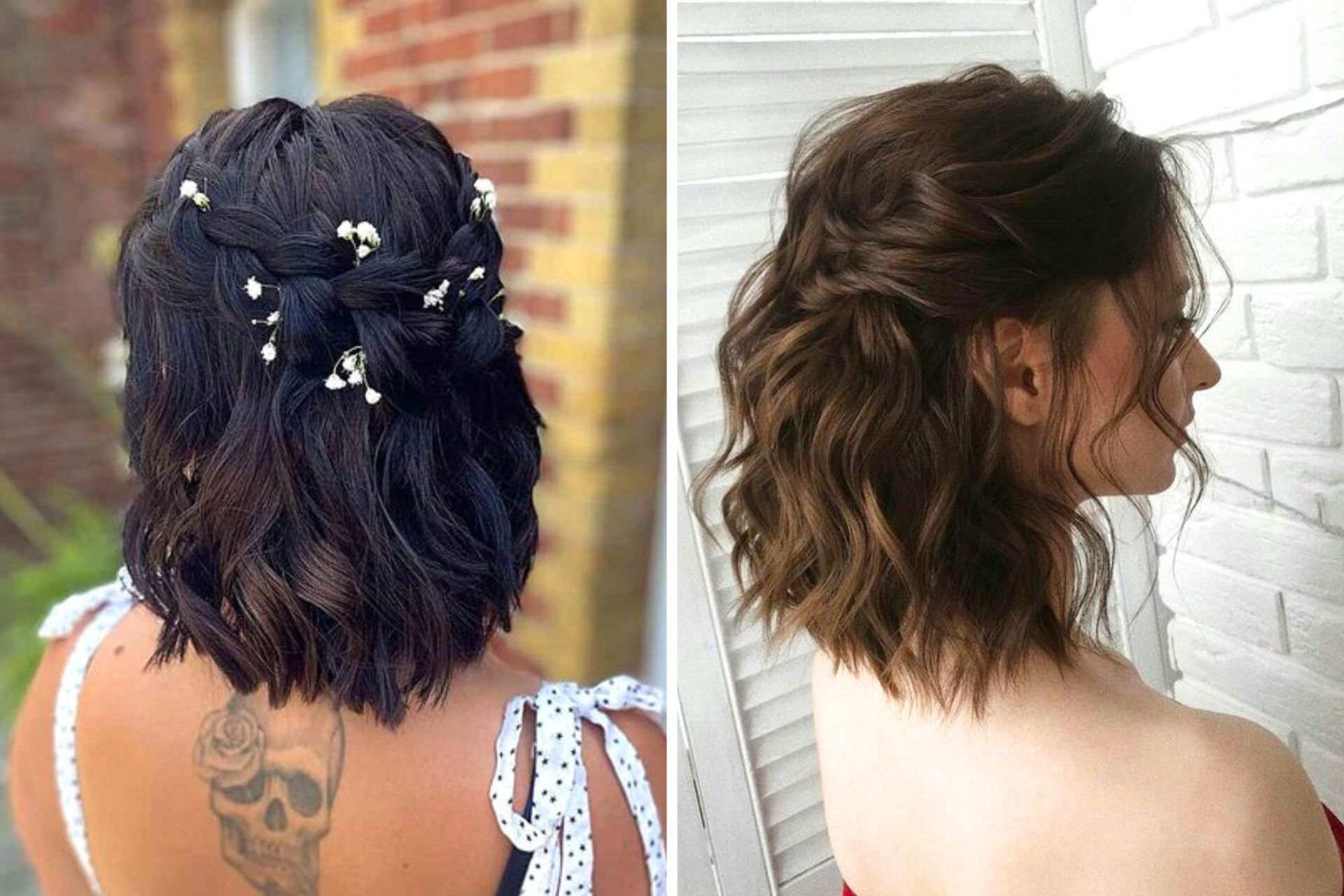
This style is both effortless and chic. Take the top section of your hair and twist it back, securing it with a clip or pin at the back. The rest of your hair can be left down for a relaxed feel. This look is ideal for those who want to keep their hair out of their face while still showing off their short cut.

3. The Sleek Ponytail

A sleek ponytail is a go-to for many, but it can be particularly striking with short hair. Use a smoothing serum to tame any flyaways and pull your hair back into a low or high ponytail. Secure with an elastic and wrap a small section of hair around the base to hide it. This style is perfect for a professional setting or a night out.

4. The Braided Updo

Braids aren’t just for long hair. With short hair, you can create a delicate braided updo by French braiding or Dutch braiding your hair and wrapping it around the crown of your head. Secure with pins and leave some strands loose for a soft, romantic look. This style is great for weddings or any special occasion.

5. The Top Knot

The top knot is a trendy and easy updo for short hair. Gather your hair on top of your head and secure it with an elastic. Then, tease the ponytail and wrap it around the base to create a knot. Secure with pins and finish with hairspray. This style is perfect for those who want to make a statement.

6. The Rolled Updo

For a vintage-inspired look, try the rolled updo. Create a deep side part and roll sections of your hair towards the back, securing them with pins. This style is elegant and timeless, making it a great choice for formal events.

7. The Faux Bob

If you have a pixie cut or a very short bob, you can create the illusion of a longer bob by using hair extensions. Clip in the extensions, then style your hair into a sleek, low updo. This faux bob look is perfect for those who want to switch up their style for a special occasion.

Conclusion

Updos for short hair are not only possible but can be incredibly stylish and versatile. Whether you’re looking for a casual, everyday style or something more elegant for a special event, there’s an updo out there that can work for you. With a little creativity and the right styling tools, you can transform your short hair into a chic and sophisticated updo that will turn heads.
An Overview of Options: Cancer Treatment

nightglow.info – Cancer, a group of diseases characterized by the uncontrolled growth and spread of abnormal cells, remains one of the most formidable challenges in modern medicine. With the advancements in medical research and technology, the landscape of cancer treatment has evolved significantly, offering patients a variety of options tailored to their specific needs. This article provides an overview of the primary cancer treatment options available today.

Surgery

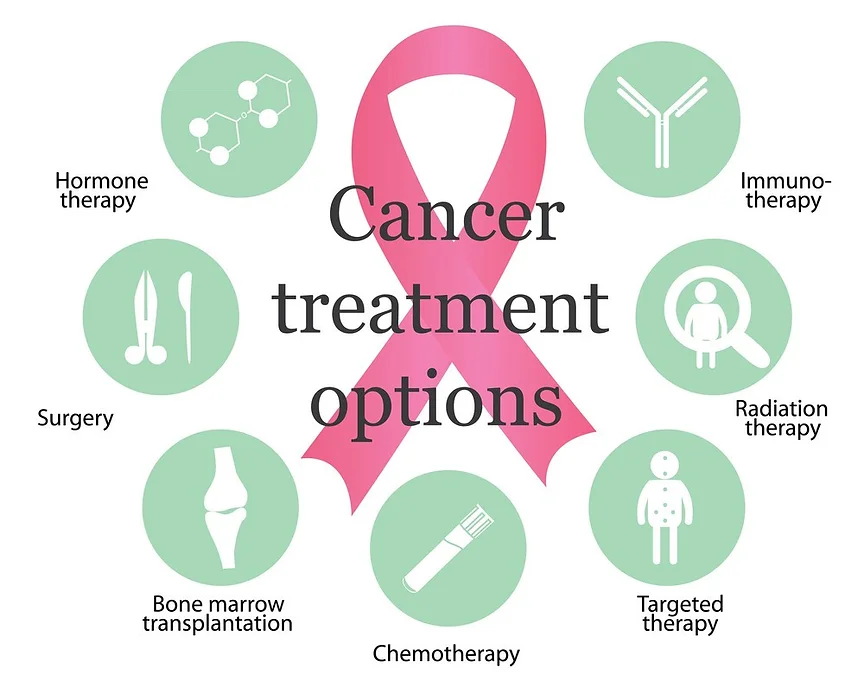
Surgery is one of the oldest and most common methods of treating cancer. It involves the physical removal of the tumor and, in some cases, surrounding tissue to ensure that all cancerous cells are eliminated. Depending on the type and stage of cancer, surgery may be the only treatment needed, or it may be used in combination with other therapies.

Radiation Therapy

Radiation therapy uses high-energy particles or waves, such as X-rays, gamma rays, electron beams, or protons, to destroy or damage cancer cells. It can be delivered externally through a machine or internally by placing materials that produce radiation (radioisotopes) near or in the tumor. Radiation therapy can be used to treat many types of cancer and may be used before, during, or after surgery.

Chemotherapy

Chemotherapy involves the use of drugs to destroy cancer cells. These drugs can be administered orally or intravenously and may be used to treat cancer that has spread throughout the body. Chemotherapy can be used alone or in combination with other treatments, such as surgery or radiation therapy.

Immunotherapy

Immunotherapy is a relatively new approach that helps the body’s immune system fight cancer. It works by either stimulating the immune system to work harder or by giving it extra tools to attack the cancer. Immunotherapy can be used to treat a variety of cancers and can be administered in various forms, including monoclonal antibodies, checkpoint inhibitors, and cancer vaccines.

Hormone Therapy

Hormone therapy is used for cancers that are sensitive to hormones, such as breast and prostate cancer. This treatment works by adding, blocking, or removing hormones from the body to slow or stop the growth of cancer cells. Hormone therapy can be administered through pills or injections.

Targeted Therapy

Targeted therapy uses drugs or other substances to identify and attack specific types of cancer cells without affecting normal cells. This precision approach is designed to interfere with the cancer’s specific genetic, protein, or enzyme abnormalities that contribute to cancer cell growth and survival. Targeted therapy can be particularly effective for certain types of cancer, such as breast cancer, colorectal cancer, and melanoma.

Stem Cell (Bone Marrow) Transplant

A stem cell transplant is a procedure that replaces diseased bone marrow with healthy bone marrow. This treatment is often used for blood-related cancers, such as leukemia, lymphoma, and multiple myeloma. The goal is to destroy the cancer cells in the bone marrow and replace them with healthy cells.

Precision Medicine

Precision medicine is an emerging approach for disease treatment and prevention that takes into account individual variability in genes, environment, and lifestyle for each person. This approach allows doctors to select treatments that are most likely to help patients based on their tumor genetics, which can lead to better outcomes and fewer side effects.

Palliative Care

Palliative care focuses on providing relief from the symptoms and stress of a serious illness, including cancer. The goal is to improve quality of life for both the patient and the family. Palliative care can be provided at any stage of illness, and it can be used alongside curative treatments.

Conclusion

The treatment of cancer is highly individualized and depends on the type of cancer, its stage, the patient’s overall health, and personal preferences. Advances in cancer treatment have significantly improved survival rates and quality of life for cancer patients. As research continues, the hope is to develop even more effective and less invasive treatments. Patients should discuss all available options with their healthcare team to make informed decisions about their care.