Boruto: Kisah Penerus Hokage yang Penuh Tantangan

Boruto Uzumaki, Anak Legenda yang Ingin Jadi Diri Sendiri

Link Alternatif Cerita:https://www.adfinderonline.com/contact_us.php

nightglow.info – Anime Boruto: Naruto Next Generations bercerita tentang Boruto Uzumaki, anak dari Naruto, sang Hokage Ketujuh. Meski lahir dari keluarga terkenal, Boruto justru ingin dikenal karena kemampuannya sendiri, bukan karena nama besar ayahnya. Inilah yang membuat kisah Boruto terasa menarik dan dekat dengan penonton muda—ia berjuang membuktikan bahwa dirinya pantas dihormati bukan karena warisan, tapi karena kerja kerasnya.

Perubahan Dunia Shinobi di Era Baru

Berbeda dengan era Naruto yang penuh peperangan antar desa, dunia Boruto sudah jauh lebih modern. Desa Konoha kini memiliki teknologi canggih, kereta listrik, bahkan alat ninja ilmiah. Namun, kedamaian ini bukan berarti tanpa ancaman. Musuh baru dengan kekuatan misterius dari klan Ōtsutsuki muncul, menantang generasi muda untuk melindungi perdamaian yang telah diperjuangkan.

Persahabatan dan Pertumbuhan Karakter

Salah satu kekuatan utama anime ini adalah hubungan antar karakter. Boruto, Sarada Uchiha, dan Mitsuki membentuk tim yang seimbang—mewakili warisan, tekad, dan misteri. Mereka belajar arti tanggung jawab, kepercayaan, serta bagaimana melawan ego demi tujuan bersama. Pertumbuhan mereka mencerminkan nilai-nilai klasik dunia shinobi dengan sentuhan modern yang lebih emosional.

Tema Keluarga dan Warisan

Boruto juga menggali konflik keluarga yang realistis. Hubungan antara Boruto dan Naruto menjadi pusat emosi dalam cerita. Boruto merasa ayahnya terlalu sibuk dengan tugas sebagai Hokage, sementara Naruto ingin menjadi panutan bagi seluruh desa. Konflik ini menggambarkan dilema banyak keluarga modern: antara tanggung jawab dan kasih sayang.

Animasi dan Pertarungan Spektakuler

Studio Pierrot berhasil menjaga ciri khas Naruto dengan peningkatan visual yang signifikan. Adegan pertarungan seperti Boruto vs Kawaki atau Naruto dan Sasuke melawan Isshiki Ōtsutsuki menjadi salah satu momen paling epik dalam dunia anime modern. Setiap pertarungan tak hanya soal kekuatan, tapi juga makna di baliknya—tentang pengorbanan dan kebijaksanaan.

Kesimpulan: Boruto Sebagai Simbol Generasi Baru

Boruto: Naruto Next Generations bukan sekadar kelanjutan dari kisah lama, tapi cerminan generasi baru yang hidup di dunia penuh perubahan. Dengan pesan kuat tentang identitas, tanggung jawab, dan keberanian menghadapi masa depan, anime ini layak ditonton oleh siapa pun yang pernah tumbuh bersama kisah Naruto.

Frenchies Bukan Sekadar Peliharaan, Tapi Aset Bernilai!

Banyak orang menganggap anjing hanya sebagai teman setia di rumah. Namun, saat kamu memilih memelihara French Bulldog (Frenchie), kamu tidak hanya mendapatkan sahabat berbulu—kamu juga sedang merawat aset bernilai tinggi.

Frenchies dikenal karena wajah datarnya yang menggemaskan, telinga kelelawar yang unik, dan sifatnya yang manja sekaligus cerdas. Tapi yang membuat mereka menonjol bukan cuma penampilannya. Harga jual dan biaya adopsi Frenchies tergolong tinggi, bahkan termasuk dalam jajaran anjing termahal di dunia. Permintaan global yang meningkat dan proses pembiakan yang kompleks membuat nilainya terus naik dari tahun ke tahun.

Banyak pemilik Frenchies mendapat peluang bisnis tambahan dari hewan peliharaan mereka. Mulai dari program breeding legal dan etis, kerja sama dengan brand pet fashion, hingga menjadi bintang Instagram dengan ribuan followers. Tak sedikit orang yang mengubah hobinya memelihara Frenchies menjadi sumber penghasilan tambahan.

Di sisi lain, kamu juga harus merawat Frenchies dengan penuh tanggung jawab. Karena bentuk wajah mereka yang unik, bonanza slot  mereka rentan terhadap masalah pernapasan dan perlu perhatian khusus. Tapi dengan perawatan rutin dan gaya hidup sehat, Frenchies bisa tumbuh bahagia dan aktif.

Dengan kombinasi karakter yang menyenangkan, nilai ekonomi yang tinggi, dan daya tarik sosial yang kuat, French Bulldog bukan cuma peliharaan lucu—mereka adalah investasi penuh cinta. Kamu tak hanya berbagi rumah dengan makhluk menggemaskan, tapi juga membuka peluang dan pengalaman yang tak ternilai.

Jadi, kalau kamu memelihara Frenchie, kamu memelihara lebih dari sekadar hewan.
Kamu merawat aset yang tumbuh bersamamu, dengan cinta dan peluang di setiap langkah.

The Diet of the Green Sea Turtle: A Herbivorous Marine Grazer

nightglow.info – The green sea turtle (Chelonia mydas) is one of the most well-known sea turtle species, admired for its graceful swimming and peaceful feeding habits. Found in tropical and subtropical waters around the world, the green sea turtle is unique among sea turtles because it primarily follows a herbivorous diet as an adult, unlike most other species that are omnivorous or carnivorous. This diet of seagrass and algae plays an important role in maintaining healthy marine ecosystems. In this article, we will explore the feeding habits of the green sea turtle, its diet at different life stages, and the ecological significance of its grazing behavior.

Juvenile Green Sea Turtles: An Omnivorous Start

While adult green sea turtles are primarily herbivores, juvenile green sea turtles have a more omnivorous diet, which includes a wide variety of plant and animal matter.

1. Animal-Based Foods

  • As juveniles, green sea turtles consume a range of animal prey, including small invertebrates such as crustaceans, sponges, jellyfish, and small fish. This diet provides essential proteins and fats needed for the turtle’s rapid growth and development.
  • Young green sea turtles are often found in the open ocean, where they forage on floating organisms such as plankton and sargassum, a type of floating seaweed that serves as both habitat and food.

2. Transition to Herbivory

  • As green sea turtles mature, their diet gradually shifts from omnivorous to herbivorous, with increasing consumption of seagrass and algae. This transition occurs as the turtles move from the open ocean to shallow coastal waters, where their primary food sources are more abundant.

Adult Green Sea Turtles: A Herbivorous Diet

Once green sea turtles reach adulthood, their diet becomes predominantly herbivorous, consisting mainly of seagrass and algae. This change in diet is unique among sea turtles and reflects their role as important grazers in marine ecosystems.

1. Seagrass: The Main Staple

  • Seagrass is the primary food source for adult green sea turtles. They graze on various species of seagrass, including eelgrass (Zostera), turtle grass (Thalassia testudinum), and manatee grass (Syringodium). These underwater plants grow in shallow, coastal regions and provide the green sea turtle with essential nutrients.
  • Green sea turtles use their sharp, serrated beaks to cut through the seagrass, making it easier to consume. Their grazing behavior helps to maintain the health of seagrass beds by preventing overgrowth and promoting the growth of new shoots.

2. Algae

  • In addition to seagrass, green sea turtles also feed on algae, which grows on rocks, coral reefs, and other underwater surfaces. They scrape algae off these surfaces with their beaks, ensuring a steady supply of nutrients.
  • Some of the common algae species consumed by green sea turtles include red algae, brown algae, and green algae, all of which are abundant in tropical coastal waters.

Feeding Behavior and Habitat

Green sea turtles are primarily found in shallow coastal waters, including seagrass meadows, coral reefs, and bays. These habitats provide an ideal environment for grazing on seagrass and algae, both of which thrive in these nutrient-rich areas.

1. Grazing in Seagrass Beds

  • Adult green sea turtles play a crucial role in the health of seagrass beds. By regularly grazing on seagrass, they help keep the beds from becoming overgrown, allowing sunlight to reach the seafloor and promoting the growth of new, young seagrass shoots. This helps maintain a balanced and healthy ecosystem that benefits a wide variety of marine species.
  • Their grazing is selective; they often feed on the tips of seagrass blades, which encourages the plant to grow more rapidly.

2. Foraging on Coral Reefs

  • In addition to seagrass meadows, green sea turtles also forage on coral reefs, where they consume algae that grows on the reef’s surfaces. By feeding on algae, green sea turtles help control algal growth, which can otherwise outcompete corals for space and resources. This behavior contributes to the overall health and resilience of coral reef ecosystems.

Nutritional Adaptations

Green sea turtles have evolved specific adaptations that enable them to thrive on a herbivorous diet, which is low in calories compared to the diets of carnivorous sea turtles.

1. Digestive System Adaptations

  • Green sea turtles have a specialized digestive system designed to efficiently process fibrous plant material. Their intestines are longer than those of other sea turtles, allowing them to break down tough plant fibers and extract as many nutrients as possible.
  • Additionally, green sea turtles have gut bacteria that help digest cellulose, a complex carbohydrate found in plant cell walls. This symbiotic relationship allows them to access more energy from the seagrass and algae they consume.

2. Energy Conservation

  • Given that their diet is relatively low in calories, green sea turtles are known for their energy-efficient lifestyle. They spend much of their time swimming slowly or resting, conserving energy while grazing on low-calorie food sources like seagrass and algae.

Ecological Role of Green Sea Turtles

Green sea turtles are keystone species in marine ecosystems, particularly in seagrass meadows and coral reefs. Their feeding habits have a significant impact on the health and biodiversity of these ecosystems.

1. Maintaining Seagrass Meadows

  • By grazing on seagrass, green sea turtles help maintain the productivity and biodiversity of seagrass meadows, which are essential habitats for many marine species, including fish, crustaceans, and invertebrates. Healthy seagrass meadows also play a crucial role in carbon sequestration, helping to mitigate climate change by absorbing and storing carbon dioxide from the atmosphere.

2. Supporting Coral Reef Health

  • On coral reefs, green sea turtles control the growth of algae, preventing it from smothering corals and ensuring that the reef ecosystem remains balanced. This grazing behavior contributes to the overall resilience of coral reefs, which are vulnerable to climate change, pollution, and other environmental stressors.

Conclusion

The green sea turtle’s herbivorous diet, which primarily consists of seagrass and algae, sets it apart from other sea turtle species and makes it a vital player in the health of marine ecosystems. As juveniles, green sea turtles are omnivorous, feeding on a mix of plant and animal matter, but as they mature, they transition to a diet that helps maintain the balance of seagrass beds and coral reefs. Protecting green sea turtles and their habitats is essential for the preservation of these important ecosystems and the biodiversity they support.

Shrew Food: A Comprehensive Guide to Feeding Shrews

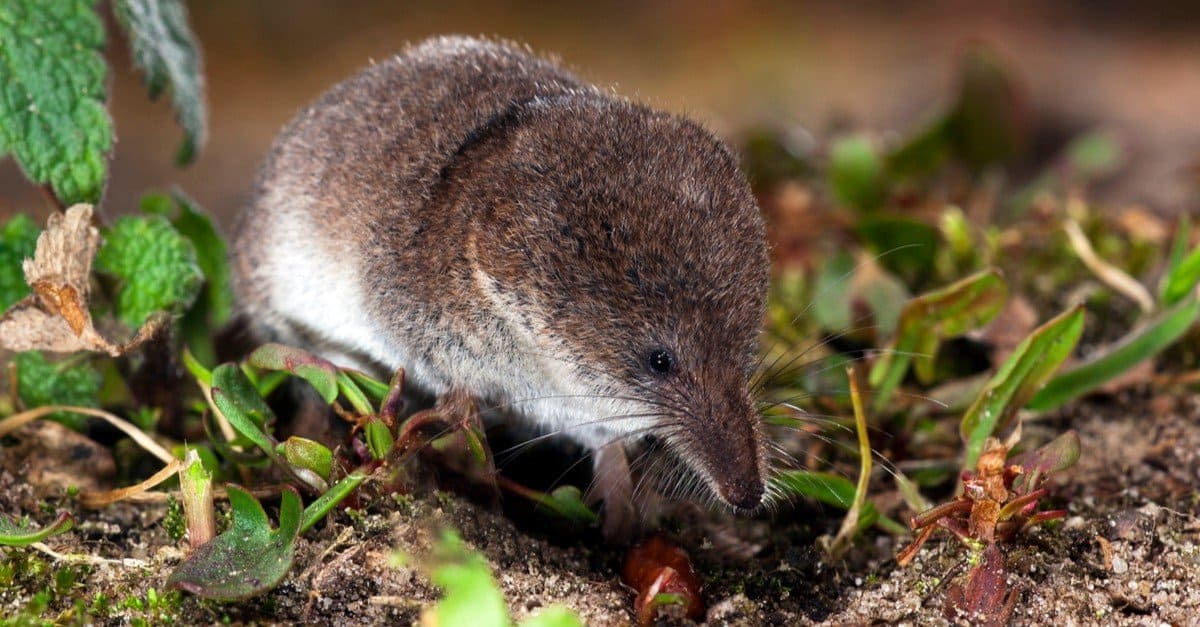
nightglow.info – Shrews are small, insectivorous mammals known for their voracious appetites and high metabolic rates. Despite their size, they consume a significant amount of food daily to sustain their energy levels. In the wild, shrews primarily eat insects, but their diet also includes small vertebrates, plants, and seeds. This article will explore the natural diet of shrews, their feeding behavior, and how to care for their dietary needs in captivity.

1. Understanding Shrew Dietary Needs

Shrews have one of the fastest metabolisms of any mammal, requiring them to eat up to 80-90% of their body weight in food each day. Their high-energy needs mean that they are constantly on the hunt for food and can starve within a few hours if not fed. To keep shrews healthy and active, they need a diet rich in protein, fats, and, occasionally, carbohydrates.

Key Nutrients for Shrews:

  • Protein: Essential for their energy requirements, muscle repair, and overall health.
  • Fats: A source of sustained energy.
  • Carbohydrates: While not as important as protein and fats, some shrews consume small amounts of plant material for additional nutrients.

2. Insectivorous Diet: The Primary Food Source

Shrews are primarily insectivorous, meaning their diet consists mainly of insects. Their sharp teeth and keen sense of smell make them efficient hunters. In the wild, shrews consume a wide range of invertebrates, including:

Common Prey for Shrews:

  • Beetles: A staple in the diet of many shrews.
  • Worms: Earthworms provide a rich source of protein and are easy for shrews to catch.
  • Spiders: Shrews hunt spiders as part of their natural insectivorous diet.
  • Crickets: High in protein, crickets are a common prey item for shrews.
  • Slugs and snails: These soft-bodied invertebrates are also favored by shrews.

Insectivorous diets provide the protein and fat content that shrews need to maintain their energy levels. In captivity, shrews can be fed live or dried insects to mimic their natural feeding habits.

3. Small Vertebrates and Other Prey

Some larger species of shrews are also known to hunt small vertebrates, such as frogs, lizards, or even small rodents. These hunts provide a substantial meal, though vertebrates are less common in their overall diet. In captivity, it’s not necessary to offer small vertebrates, as shrews can thrive on a diet of insects and other protein-rich foods.

Vertebrate Prey in the Wild:

  • Frogs and small amphibians: Occasionally hunted by larger shrews.
  • Small rodents: Some species of shrews may prey on smaller mammals, especially when food is scarce.

4. Plant Material and Seeds: Occasional Supplements

While shrews are predominantly insectivorous, some species may occasionally consume plant material, seeds, or fungi, especially when insects are scarce. These plant-based foods provide additional carbohydrates and nutrients but are not a major part of a shrew’s diet.

Plant Material in a Shrew’s Diet:

  • Seeds: Certain species of shrews have been known to consume seeds, particularly in colder months when insects are less available.
  • Berries: Some shrews will eat small amounts of berries or fruit when available.
  • Fungi: Shrews may occasionally consume fungi in their natural environment.

In captivity, shrews do not require a significant amount of plant material, but small amounts of seeds or fruit can be offered as a treat or supplement.

5. Feeding Shrews in Captivity

Shrews kept in captivity, whether for research, rehabilitation, or as pets, require a diet that closely replicates their wild eating habits. To ensure their health and energy levels, they should be provided with a steady supply of insects and other protein-rich foods.

Common Foods for Captive Shrews:

  • Mealworms: A high-protein food source that is easy to digest and readily available.
  • Crickets and grasshoppers: These are excellent choices for maintaining a shrew’s protein intake.
  • Waxworms: Though high in fat, these should be fed sparingly to prevent obesity.
  • Earthworms: A natural and nutritious option that many shrews enjoy.

Shrews must be fed frequently, as their high metabolism requires near-constant energy intake. Feeding them every few hours is essential, especially for younger or more active shrews. A varied diet will help ensure they get the right balance of nutrients.

6. Hydration: Fresh Water Supply

Shrews need access to clean, fresh water at all times. In the wild, they may obtain some of their moisture from the prey they consume, but in captivity, providing a water dish or a small water bottle is essential.

7. Feeding Behavior and Schedule

Shrews are active both day and night, constantly foraging for food to fuel their rapid metabolism. In captivity, a frequent feeding schedule should be maintained to mimic their natural eating patterns. Ideally, shrews should be offered food every few hours, with larger portions provided in the evening when they are most active.

8. Foods to Avoid

Some foods are harmful or inappropriate for shrews, and these should be avoided to maintain their health:

  • Processed foods: Shrews should not be fed any human processed foods, as they can cause digestive issues.
  • Sugary foods: Avoid offering sugary fruits or snacks that can upset their delicate system.
  • Dairy products: Shrews are not able to digest dairy and should not be given milk or cheese.

9. Conclusion

Shrews have incredibly high metabolic demands, requiring a diet rich in protein and fat to keep them healthy and active. In the wild, their diet consists mainly of insects, with some species occasionally hunting small vertebrates or consuming plant material. In captivity, it is essential to provide a varied and frequent diet of insects like mealworms, crickets, and earthworms to replicate their natural eating habits. Fresh water should always be available, and caregivers should avoid offering harmful foods. By meeting these dietary needs, shrews can thrive and maintain their energetic lifestyle.


The Reticulated Giraffe: A Majestic Marvel

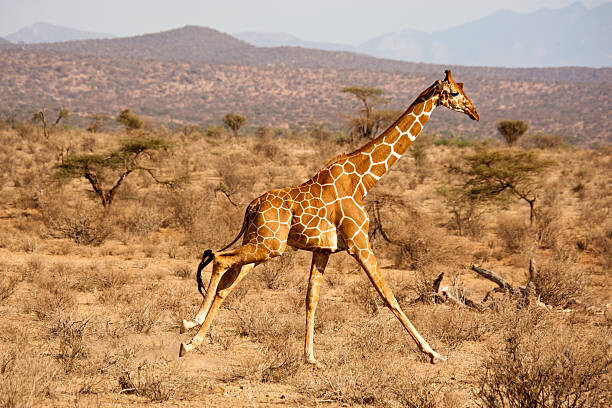
nightglow.info – The reticulated giraffe, Giraffa camelopardalis reticulata, is a breathtakingly beautiful creature and one of the most iconic symbols of the African savanna. With its striking coat pattern and towering stature, it has captivated the hearts and minds of people around the world. However, this magnificent animal faces numerous threats and is in need of urgent conservation efforts.   

A Distinctive Appearance

The reticulated giraffe is easily recognizable by its unique coat pattern. Its rich brown fur is adorned with a network of sharp-edged, polygonal shapes outlined by thin white lines, giving it a reticulated appearance. This intricate pattern is not only visually stunning but also serves as a form of camouflage, helping the giraffe blend in with the dappled sunlight and shadows of the savanna.   

A Towering Stature

As the tallest living land animal, the reticulated giraffe can reach heights of up to 18 feet (5.5 meters). This impressive stature provides several advantages, including the ability to reach the highest leaves of acacia trees, a primary food source. Their long necks and legs also allow them to spot predators from afar, giving them a crucial advantage in the wild.   

Social Behavior

Reticulated giraffes are social animals that live in small groups called herds. These herds typically consist of females and their offspring, while adult males often live solitary lives or form loose bachelor groups. Within a herd, individuals maintain complex social relationships, communicating through a variety of vocalizations and body language.   

Habitat and Diet

Reticulated giraffes are primarily found in the arid and semi-arid regions of East Africa, particularly in Kenya, Somalia, and Ethiopia. They inhabit open woodlands and savannas, where they can find an abundance of acacia trees and other vegetation.   

Their diet consists mainly of the leaves, flowers, and fruits of acacia trees. These trees provide essential nutrients and water, especially during the dry season when other food sources may be scarce. To reach the highest leaves, giraffes have evolved long, flexible tongues that can strip leaves from thorny branches without injuring their mouths.   

Conservation Challenges

Despite their iconic status, reticulated giraffes are facing significant conservation challenges. Habitat loss, poaching, and human-wildlife conflict are among the primary threats to their survival. As human populations continue to grow and expand into giraffe habitats, these animals are increasingly losing their homes and facing competition for resources.   

Furthermore, poaching for bushmeat and traditional medicine has decimated giraffe populations in some areas. The illegal trade in giraffe products, such as skin and bones, also poses a serious threat. Additionally, human-wildlife conflict can lead to the killing of giraffes that are perceived as a threat to livestock or crops.   

Conservation Efforts

To address these challenges, a number of conservation organizations are working to protect reticulated giraffes and their habitats. These efforts include habitat protection, anti-poaching patrols, community outreach programs, and captive breeding initiatives.   

Community-based conservation programs are particularly important, as they involve local communities in wildlife conservation efforts. By empowering local people to protect wildlife and their habitats, these programs can help to ensure the long-term survival of species like the reticulated giraffe.   

Conclusion

The reticulated giraffe is a truly remarkable animal that deserves our admiration and protection. Its unique appearance, social behavior, and ecological role make it an invaluable part of the African savanna ecosystem. However, the future of this species hangs in the balance due to a variety of threats. By supporting conservation efforts and raising awareness about the plight of the reticulated giraffe, we can help to ensure that this majestic creature continues to grace the African savanna for generations to come.

The Leaping World of Grasshoppers: Masters of the Meadow

nightglow.info – Grasshoppers, with their powerful legs and characteristic chirping, are a familiar presence in grasslands and meadows around the world. These insects, belonging to the order Orthoptera, are more than just a background sound of summer; they play significant roles in ecosystems and have fascinating life histories. This article explores the world of grasshoppers, from their anatomy and behavior to their ecological significance and interactions with humans.   

Physical Characteristics: Built for Leaping and Chewing

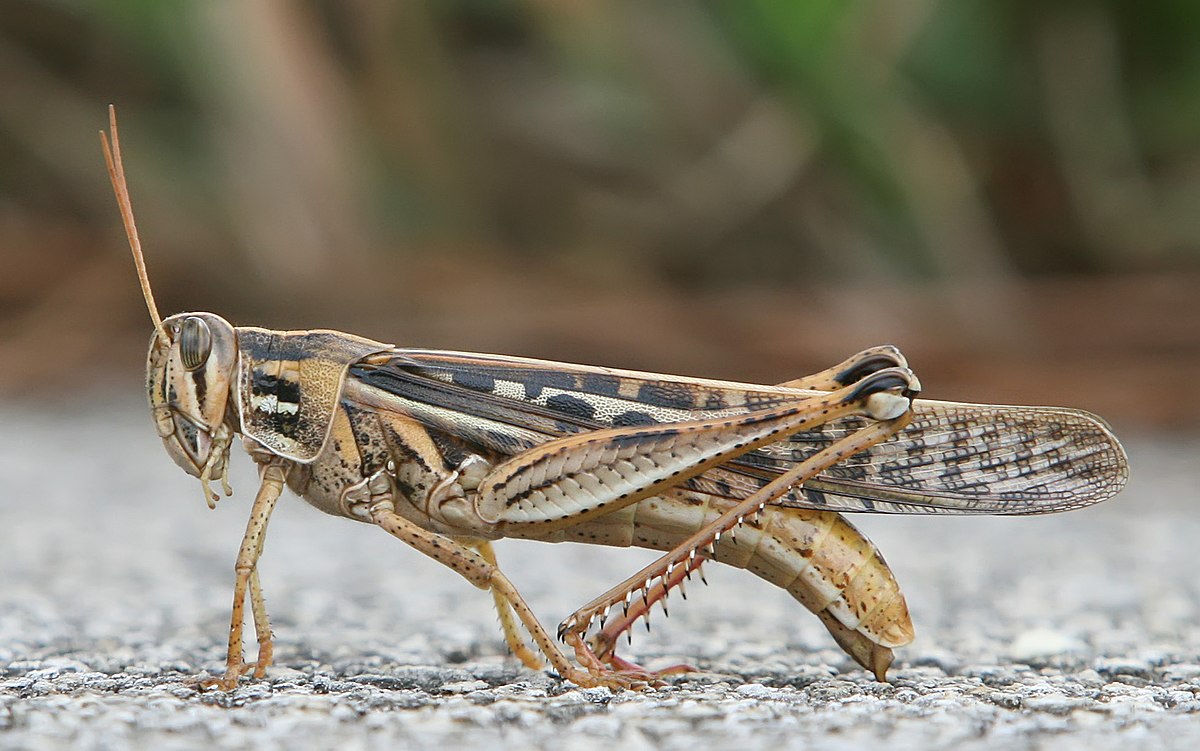
Grasshoppers possess several key physical features that distinguish them:

  • Powerful Hind Legs: Their enlarged hind legs are specialized for jumping, allowing them to escape predators and move quickly through their environment.   
  • Chewing Mouthparts: Grasshoppers have strong chewing mouthparts adapted for consuming plant matter.   
  • Two Pairs of Wings: They have two pairs of wings: a leathery outer pair (tegmina) that protects the delicate membranous inner wings used for flight.   
  • Large Compound Eyes: Their large compound eyes provide a wide field of vision, helping them detect predators and navigate their surroundings.   
  • Antennae: They have relatively short antennae compared to other insects like crickets or katydids.   

Life Cycle: Incomplete Metamorphosis

Grasshoppers undergo incomplete metamorphosis, also known as hemimetabolism, which consists of three life stages:   

  • Egg: Eggs are typically laid in the soil in pods, often in late summer or fall.   
  • Nymph: The eggs hatch into nymphs, which resemble smaller versions of the adults but lack fully developed wings. Nymphs molt several times as they grow, gradually developing wing pads.   
  • Adult: After several molts, the nymph reaches the adult stage, with fully developed wings and reproductive organs.   

Diversity and Classification: A World of Grasshoppers

Grasshoppers belong to the suborder Caelifera within the order Orthoptera. There are thousands of species worldwide, exhibiting variations in size, color, and behavior. Some notable groups include:   

  • Short-horned Grasshoppers (Acrididae): The most common type of grasshoppers, characterized by their short antennae.   
  • Locusts: Certain species of short-horned grasshoppers can form large swarms under specific environmental conditions, becoming locusts and causing significant agricultural damage.   

Habitat and Distribution: From Meadows to Deserts

Grasshoppers are found in a wide range of habitats, primarily grasslands, meadows, and open fields. They are distributed globally, except for Antarctica.   

Feeding and Diet: Primarily Herbivorous

Grasshoppers are primarily herbivorous, feeding on a variety of plants, including grasses, leaves, and crops. Some species may occasionally consume other insects.   

Behavior and Communication: Chirping and Leaping

Grasshoppers exhibit several interesting behaviors:

  • Stridulation: Male grasshoppers produce their characteristic chirping sounds, known as stridulation, by rubbing their hind legs against their wings or other body parts. These sounds are used for attracting mates and territorial defense.   
  • Jumping: Their powerful hind legs allow them to jump considerable distances, helping them escape predators and move quickly.   
  • Camouflage: Many grasshopper species have excellent camouflage, blending in with their surroundings to avoid detection by predators.   

Ecological Roles: Food Source and Herbivores

Grasshoppers play important roles in ecosystems:

  • Food Source: They serve as a food source for various animals, including birds, reptiles, amphibians, mammals, and other insects.
  • Herbivores: As herbivores, they can influence plant communities and nutrient cycling. In large numbers, they can cause significant damage to crops and pastures.   

Grasshoppers and Humans: Interactions and Impacts

Grasshoppers have various interactions with humans:

  • Agricultural Pests: Locust swarms and large grasshopper populations can cause significant agricultural damage, impacting food security.   
  • Food Source: In some cultures, grasshoppers are consumed as a food source.   
  • Scientific Study: Grasshoppers are used in scientific research, particularly in studies of insect physiology, behavior, and ecology.   

Threats and Conservation: Habitat Loss and Pesticide Use

Grasshopper populations face several threats:

  • Habitat Loss: The conversion of grasslands and meadows to agricultural land and urban areas is a major threat.   
  • Pesticide Use: The use of insecticides can directly kill grasshoppers and harm their food sources.   
  • Climate Change: Changes in temperature and precipitation patterns can affect grasshopper populations and their distribution.   

Conclusion: Appreciating the Grasshopper’s Place

Grasshoppers are a vital part of grassland ecosystems, playing important roles as both herbivores and a food source for other animals. While they can sometimes be considered pests, their presence contributes to the biodiversity and balance of nature. By understanding their life history, behavior, and the threats they face, we can better appreciate these leaping insects and work towards their conservation.

Cuddlebug Phenomenon: World of Affectionate Companionship

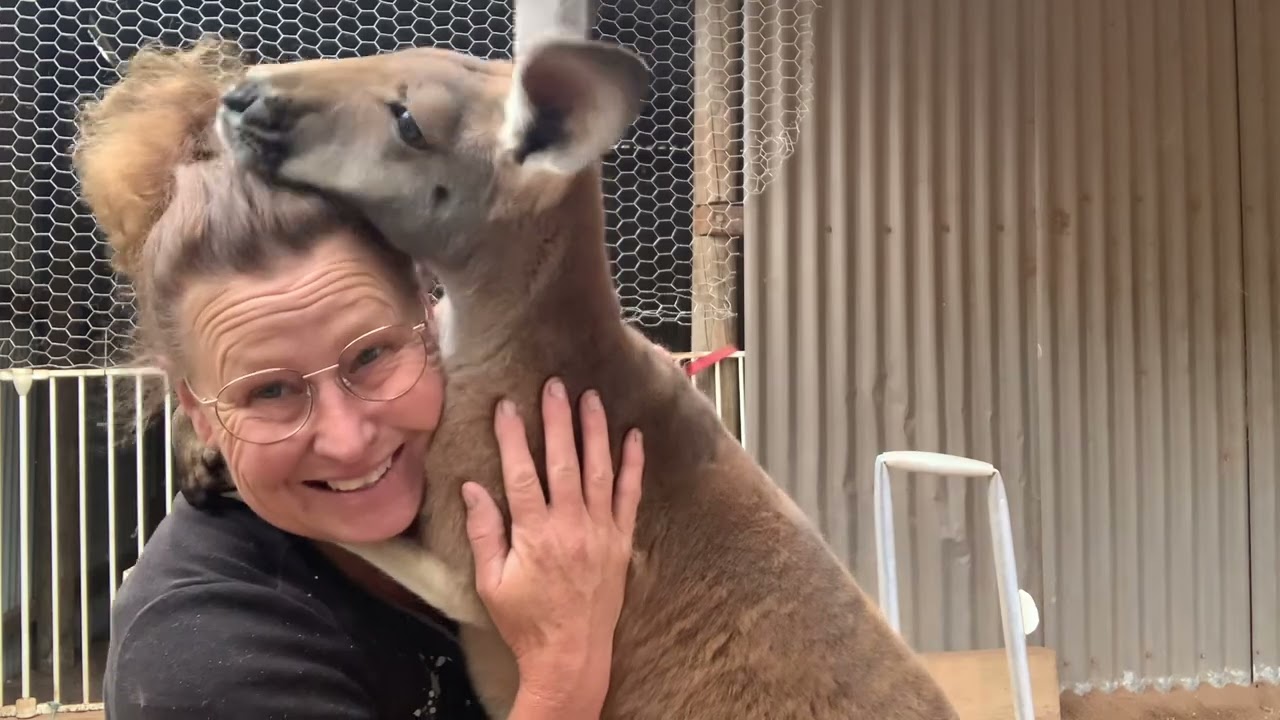
nightglow.info – In a world that often feels fast-paced and disconnected, the concept of the “cuddlebug” has emerged as a beacon of warmth and comfort. A cuddlebug is not just a term for someone who loves to cuddle; it’s a lifestyle that embraces the power of physical affection and its positive impact on mental and emotional well-being. This article delves into the phenomenon of cuddlebugs, exploring the science behind cuddling, its benefits, and how it’s shaping modern relationships and communities.

Understanding the Cuddlebug Lifestyle

The cuddlebug lifestyle is centered around the belief that physical touch is a fundamental human need. It’s about creating a space where individuals can freely express and receive affection without the pressures of romantic or sexual expectations. This lifestyle encourages open and honest communication, consent, and respect for boundaries, making it a safe and nurturing environment for all involved.

The Science of Cuddling

Cuddling is more than just a feel-good activity; it’s a powerful form of communication that can have profound effects on our health and happiness. When we cuddle, our bodies release oxytocin, often referred to as the “love hormone.” Oxytocin is known to reduce stress, lower blood pressure, and strengthen the immune system. It also plays a crucial role in building trust and deepening bonds between individuals.

Benefits of Being a Cuddlebug

  1. Stress Reduction: The act of cuddling can significantly lower cortisol levels, the hormone associated with stress. This makes it an effective way to unwind and relax after a long day.
  2. Improved Sleep: Cuddling before bed can improve sleep quality by inducing a sense of calm and security, helping individuals fall asleep faster and enjoy a more restful night.
  3. Enhanced Emotional Well-being: Regular physical affection has been linked to higher levels of happiness and reduced symptoms of depression and anxiety. It provides a sense of belonging and support, which is essential for mental health.
  4. Stronger Relationships: Whether with a romantic partner, family member, or friend, cuddling can deepen connections and foster a sense of intimacy and trust.

Finding Your Cuddle Community

For those looking to embrace the cuddlebug lifestyle, there are various ways to connect with like-minded individuals. Many cities have cuddle parties or meetups where people gather to share platonic affection in a safe and welcoming environment. Online forums and social media groups also offer spaces to discuss the benefits of cuddling and organize meetups.

Conclusion

The cuddlebug phenomenon is a testament to the enduring power of human connection and the importance of physical affection in our lives. By embracing the cuddlebug lifestyle, we can create a more compassionate and connected world, one cuddle at a time. Whether you’re seeking to reduce stress, improve your sleep, or strengthen your relationships, the benefits of cuddling are undeniable. So why not give it a try and see how it can transform your life?