My Loves (1978): A Heartfelt Exploration of Romance, and Family

nightglow.info “My Loves” (original title: “Amori miei”) is a 1978 Italian romantic comedy-drama directed by Steno (Stefano Vanzina), a filmmaker known for his contributions to Italian cinema with his ability to balance humor and deeper emotional narratives. “My Loves” presents a delicate and insightful exploration of the complexities of romantic relationships, marriage, and personal identity. With a strong cast led by Monica Vitti, Johnny Dorelli, and Enrico Maria Salerno, the film offers a poignant yet lighthearted look at love from multiple perspectives.

Plot Overview

The story follows Anna, played by the iconic Monica Vitti, a free-spirited woman whose love life is anything but conventional. Anna is married to Carlo (Johnny Dorelli), a dependable yet traditional man who provides stability in her life. However, Anna also maintains a long-standing relationship with Marco (Enrico Maria Salerno), a more adventurous and passionate lover who represents her need for excitement and unpredictability.

The film’s central conflict revolves around Anna’s emotional struggle to reconcile these two contrasting relationships. She is torn between her love for Carlo, whose steady presence provides comfort and security, and her intense connection with Marco, whose passion brings out a different side of her. Both men represent different facets of Anna’s desires and needs, leaving her in a state of emotional limbo as she tries to navigate a non-traditional love life in a world that values commitment and monogamy.

As Anna juggles her relationships, she is faced with decisions about what she truly wants from love, what role societal expectations should play in her life, and how much she is willing to sacrifice for her personal happiness. “My Loves” uses this premise to explore the complexities of love, personal freedom, and the boundaries of romantic relationships.

Themes: Love, Freedom, and Identity

At its core, “My Loves” is a film about the search for personal identity within the context of love and relationships. Anna’s character is emblematic of the desire for both freedom and connection—a tension that defines much of her internal conflict throughout the film. Her relationships with Carlo and Marco are not only about love but also about what each man represents in her life. Carlo’s stability offers a sense of groundedness, while Marco’s wild energy feeds her desire for self-expression and autonomy.

The film also grapples with the theme of non-traditional relationships, challenging the conventional views of love and marriage that dominated Italian society at the time. Anna’s simultaneous involvement with two men is presented without judgment, allowing the audience to explore the idea that love and fulfillment can come in many forms. Through Anna’s journey, the film asks important questions about the nature of commitment, the possibility of polyamory, and whether it is possible to fully satisfy all emotional needs in a single relationship.

In addition to love, freedom is a key theme. Anna’s character is a reflection of a modern woman who refuses to conform to societal norms. Her desire to maintain relationships with both men speaks to her unwillingness to choose between the competing aspects of her identity. In this way, the film challenges traditional gender roles and examines the evolving nature of romantic relationships during the 1970s, a period marked by social and cultural changes.

Monica Vitti: A Captivating Lead Performance

Monica Vitti, known for her work in both dramatic and comedic roles, delivers a compelling performance as Anna. Vitti’s ability to balance emotional vulnerability with moments of humor and lightheartedness makes Anna a sympathetic and relatable character. Her portrayal captures the complexity of a woman torn between two very different men, each of whom brings out different facets of her personality.

Vitti’s comedic timing and charm shine through in scenes that require a lighter touch, while her emotional depth is evident in moments of introspection as Anna grapples with her desires and fears. She skillfully conveys the internal struggle of a woman who is simultaneously seeking love, independence, and fulfillment.

Johnny Dorelli and Enrico Maria Salerno provide strong support as Carlo and Marco, respectively. Dorelli plays Carlo with warmth and sincerity, making him a character that the audience can empathize with despite his traditional views on marriage and love. Salerno, on the other hand, brings intensity and passion to the role of Marco, making him an intriguing counterpart to Carlo’s steadiness. Together, the two actors create a compelling dynamic with Vitti, driving the film’s emotional and romantic tension.

Direction and Cinematic Style

Director Steno uses his signature blend of humor and drama to explore the film’s themes, keeping the tone light while addressing deeper emotional truths. The film’s pacing allows for a balance between comedic situations and moments of introspection, giving the characters room to develop and evolve over the course of the story.

Visually, “My Loves” captures the essence of late-1970s Italy, with its urban settings, vibrant fashion, and lively atmosphere. The film’s cinematography emphasizes the contrasts in Anna’s life, from the comfort and simplicity of her home with Carlo to the excitement and unpredictability she experiences with Marco. This visual contrast mirrors Anna’s internal struggle as she moves between two worlds.

Steno’s direction ensures that the film remains engaging and entertaining, while also allowing for a deeper exploration of its characters’ emotional journeys. His ability to blend humor with more serious themes is a hallmark of his filmmaking style, and “My Loves” is no exception.

Reception and Legacy

Upon its release in 1978, “My Loves” was well-received by Italian audiences and critics alike. The film’s exploration of non-traditional relationships and its portrayal of a strong, independent female protagonist resonated with viewers during a time of cultural and social shifts in Italy.

Monica Vitti’s performance was particularly praised, cementing her status as one of Italy’s most beloved actresses. Her portrayal of Anna, a woman who refuses to conform to societal expectations, remains one of her most memorable roles.

While “My Loves” may not have achieved the same level of international fame as some of Steno’s other works, it has since gained a loyal following and is considered a notable entry in the canon of Italian romantic comedies. Its themes of love, freedom, and personal identity continue to resonate with modern audiences, making it a timeless exploration of the complexities of relationships.

Conclusion

“My Loves” (1978) is a charming and thought-provoking film that offers a unique take on love, commitment, and personal identity. With a standout performance by Monica Vitti and the deft direction of Steno, the film explores the emotional and romantic struggles of a woman torn between two very different men. Through its exploration of non-traditional relationships and its themes of freedom and self-discovery, “My Loves” remains a relevant and engaging piece of Italian cinema, inviting audiences to reflect on the evolving nature of love and human connection.
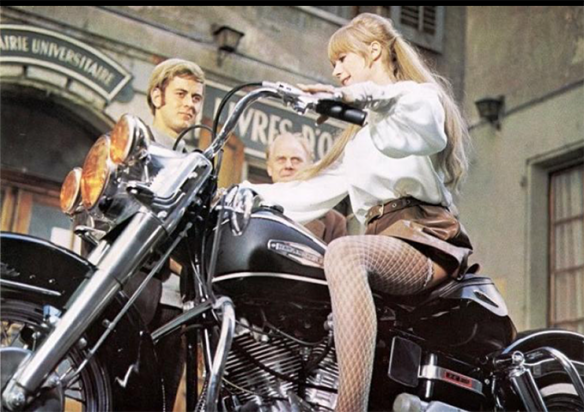

The Girl on a Motorcycle: A Journey of Desire and Liberation

nightglow.info – Jack Cardiff’s The Girl on a Motorcycle is a visually stunning and psychologically complex film that explores themes of desire, liberation, and the nature of reality. Released in 1968, the film stars Marianne Faithfull as Rita, a young woman who embarks on a motorcycle journey through Europe, seeking freedom and self-discovery.

A Surreal and Dreamlike Atmosphere

The film’s surreal and dreamlike atmosphere is one of its most distinctive features. Cardiff’s lush cinematography, combined with a hypnotic score by Michel Legrand, creates a visually arresting and emotionally charged experience. The film’s fragmented narrative and nonlinear structure reflect Rita’s own fragmented psyche, as she grapples with her desires and anxieties.

A Symbol of Female Liberation

The Girl on a Motorcycle is often seen as a symbol of female liberation. Rita’s journey is a metaphor for the quest for independence and self-determination. The film challenges traditional gender roles and explores the complexities of female sexuality.

A Psychological Exploration

Beyond its surface level as a road movie, The Girl on a Motorcycle delves into the depths of the human psyche. Rita’s encounters with various characters, including a mysterious stranger played by Alain Delon, serve as catalysts for her own self-discovery. The film’s ambiguous ending leaves the viewer to interpret Rita’s fate and the ultimate meaning of her journey.

A Controversial and Divisive Film

Upon its release, The Girl on a Motorcycle was a controversial and divisive film. Its explicit sexual content and psychedelic imagery shocked audiences and critics alike. However, the film has since gained cult status and is now recognized as a groundbreaking work of art cinema.

A Timeless Classic

Despite its psychedelic aesthetic and unconventional narrative, The Girl on a Motorcycle remains a timeless classic. Its exploration of desire, liberation, and the human psyche continues to resonate with audiences today. The film’s stunning visuals, haunting score, and unforgettable performances make it a must-see for fans of art cinema and experimental filmmaking.

The Hindenburg: A Tale Told on Screen – A Disaster Immortalized

nightglow.info – Robert Wise’s 1975 film, The Hindenburg, is a historical drama that recounts the tragic airship disaster of 1937. The film offers a fictionalized account of the events leading up to the Hindenburg’s fiery demise, blending historical accuracy with dramatic storytelling.

A Cast of Characters

The film features a stellar cast, including George C. Scott as the determined and ambitious airship captain, and Anne Bancroft as a mysterious woman with a dark secret. The supporting cast includes such notable actors as William Holden, Gig Young, and Robert Clary.

A Tense Build-Up

The Hindenburg builds suspense as it chronicles the airship’s fateful journey. The film delves into the personal lives of the characters, exploring their hopes, fears, and dreams. The impending disaster casts a long shadow over the narrative, creating a sense of foreboding that intensifies as the film progresses.

A Spectacle of Sound and Vision

The film’s special effects, particularly the climactic airship disaster, were groundbreaking for their time. The firestorm that engulfs the Hindenburg is a terrifying and awe-inspiring spectacle, a testament to the power of cinema to recreate historical events.

A Reflection on Human Hubris

The Hindenburg is more than just a historical retelling; it’s a cautionary tale about the dangers of human hubris and the importance of humility. The film suggests that the disaster was not merely an accident, but a result of a collective failure to acknowledge the limitations of technology and the unpredictability of nature.

A Timeless Tragedy

Despite the passage of time, The Hindenburg remains a powerful and moving film. Its exploration of human nature, its stunning visual effects, and its poignant portrayal of a tragic event continue to resonate with audiences. The film serves as a reminder of the fragility of life and the importance of learning from the mistakes of the past.

Intimacies of a Prostitute (1974): A Controversial Exploration of Sexuality

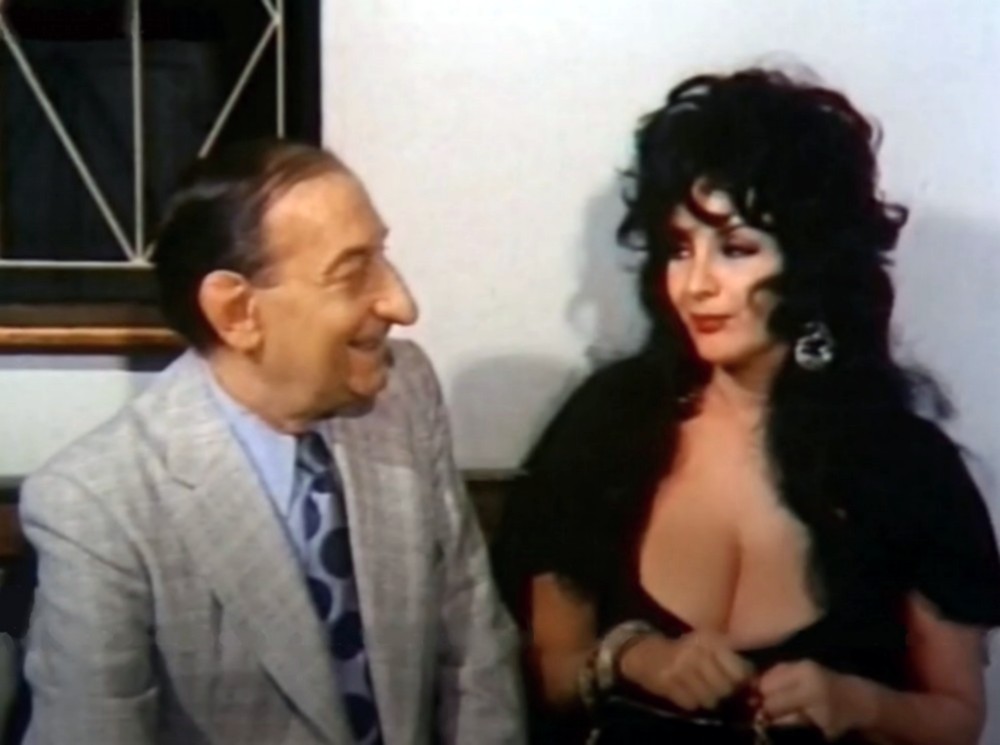
nightglow.info – Intimacies of a Prostitute (1974), an Argentine sexploitation film directed by Armando Bó, is a controversial exploration of the life of a woman who turns to prostitution to survive in the harsh realities of urban life. The film, starring the iconic Argentine actress Isabel Sarli, delves into themes of sexuality, exploitation, and the complex relationship between women and power.   

A Bold and Provocative Narrative

The film follows the story of María, a young woman who leaves her rural home to pursue a better life in the bustling city of Buenos Aires. However, she soon finds herself struggling to make ends meet and is forced to resort to prostitution to survive. As she navigates the dangerous and morally ambiguous world of sex work, María encounters a variety of clients, each with their own unique desires and motivations.   

The Exploitation of Women and the Power Dynamics of Sex Work

Intimacies of a Prostitute is a stark portrayal of the exploitation of women in the sex industry. The film exposes the harsh realities of prostitution, highlighting the physical and emotional toll it takes on those who engage in it. María’s experiences shed light on the power dynamics at play in sexual encounters, where women are often objectified and reduced to mere commodities.

Sexuality and Desire

Despite its controversial subject matter, the film also explores the complexities of human sexuality and desire. Bó’s direction is often explicit, but it also delves into the psychological and emotional dimensions of sexual encounters. The film challenges traditional notions of morality and sexuality, suggesting that desire is a powerful force that can both liberate and enslave.

A Product of Its Time

Intimacies of a Prostitute is a product of its time, reflecting the social and cultural climate of the 1970s. The film’s explicit content and provocative themes were groundbreaking for its era, pushing the boundaries of censorship and challenging societal norms. However, it is important to view the film through a historical lens, recognizing the limitations of its time and the evolving understanding of sexuality and gender roles.

Legacy and Impact

Intimacies of a Prostitute remains a controversial and divisive film, but it has undeniably left a lasting impact on cinema. It is a testament to the enduring power of sexuality and the complex relationship between desire, power, and exploitation. The film continues to spark debate and controversy, prompting viewers to consider the ethical implications of sex work and the representation of women in film.

Conclusion

Intimacies of a Prostitute is a provocative and challenging film that offers a glimpse into the dark underbelly of the sex industry. While its explicit content may offend some viewers, it is undeniable that the film raises important questions about sexuality, power, and exploitation. By exploring these themes with unflinching honesty, Bó has created a work that continues to provoke thought and debate.

Royal Flash: A Swashbuckling Adventure with a Cowardly Hero

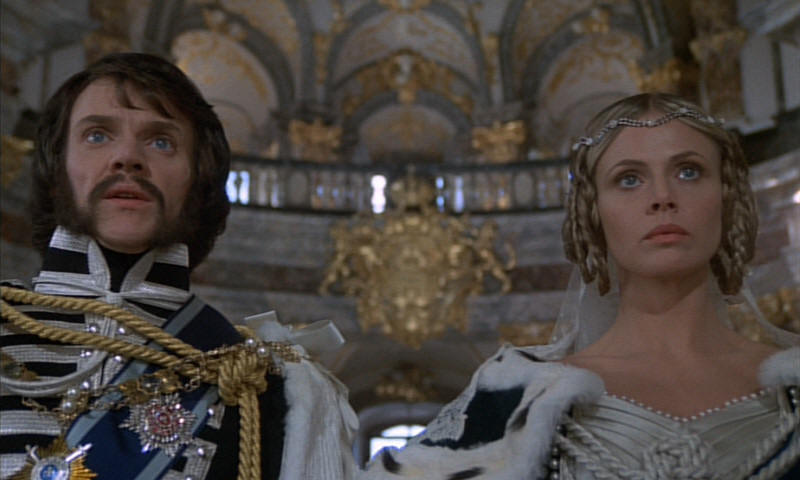
nightglow.info – Released in 1975, “Royal Flash” is a British historical comedy-adventure film based on the second novel in George MacDonald Fraser’s “Flashman” series. Directed by Richard Lester, the film stars Malcolm McDowell as Harry Flashman, a cowardly and opportunistic British officer who finds himself embroiled in a dangerous plot in 19th century Europe.   

A Reluctant Hero

Flashman, a character known for his self-preservation and moral flexibility, is far from the typical heroic figure. He is a master of deception, a womanizer, and a coward who often stumbles into extraordinary situations. In “Royal Flash,” he is coerced by the cunning Otto von Bismarck (Oliver Reed) into impersonating a Danish prince and marrying a German duchess.   

A Farcical Adventure

The film is a riotous blend of historical fiction, slapstick comedy, and political satire. As Flashman navigates the treacherous world of European royalty, he encounters a colorful cast of characters, including the alluring Lola Montez (Florinda Bolkan) and the ruthless Rudi von Sternberg (Alan Bates). The film is filled with sword fights, chases, and witty dialogue, all delivered with a tongue-in-cheek humor.   

A Unique Blend of Comedy and History

“Royal Flash” is a unique film that combines historical accuracy with outrageous comedy. While the film takes liberties with historical events, it captures the spirit of the era and the absurdity of human nature. The film’s fast-paced action sequences and clever script make it a delightful watch for fans of historical fiction and comedy alike.

A Cult Classic

Despite mixed reviews upon its initial release, “Royal Flash” has since gained a cult following. The film’s offbeat humor, memorable performances, and stylish direction have made it a beloved classic. It is a film that celebrates the art of storytelling and the power of laughter.

A Hilarious and Historical Journey

“Royal Flash” is a hilarious and historical journey that will leave you entertained and amused. It is a film that proves that even the most cowardly of heroes can rise to the occasion, albeit reluctantly.

Barefoot in the Park (1967):A Whimsical Romance

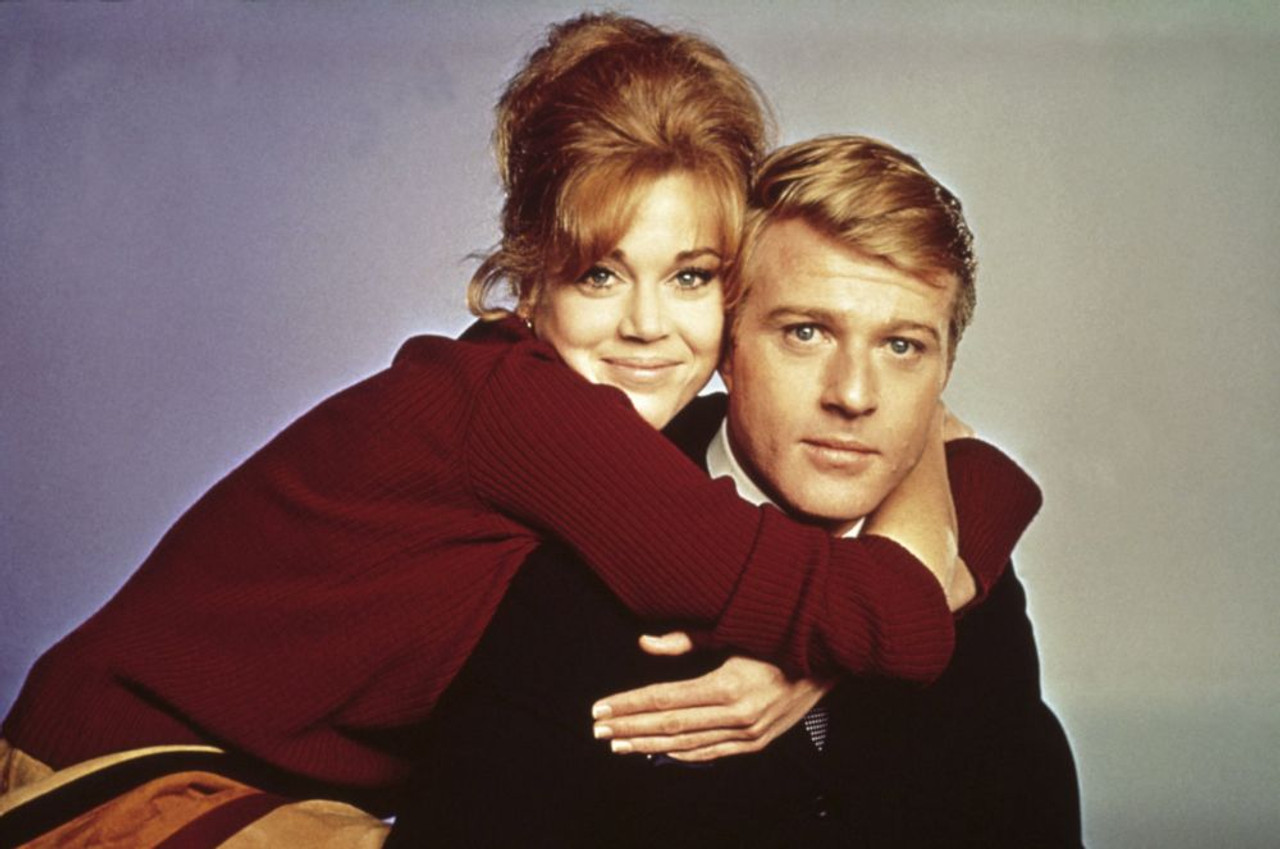
nightglow.info – Barefoot in the Park (1967) is a heartwarming romantic comedy that captures the essence of young love and the challenges of newlywed life. Directed by Gene Saks and adapted from Neil Simon’s popular play, the film stars Jane Fonda and Robert Redford as a newly married couple navigating the ups and downs of their relationship.

Fonda’s Bubbly Performance

Jane Fonda shines as Corie Bratter, a free-spirited and optimistic young woman who delights in life’s simple pleasures. Fonda’s bubbly and energetic performance brings a sense of joy and spontaneity to the film. Her chemistry with Robert Redford is palpable, making their on-screen relationship both endearing and believable.

A Classic Romantic Comedy

Barefoot in the Park is a classic romantic comedy that has stood the test of time. Its witty dialogue, charming characters, and heartwarming story continue to resonate with audiences. The film’s exploration of the challenges and rewards of marriage is both humorous and insightful.

A Nostalgic Journey

The film’s nostalgic setting and its depiction of 1960s New York City add to its charm. The quaint apartment, the bustling city streets, and the quirky characters create a sense of nostalgia and evoke a bygone era.

A Must-Watch for Fonda Fans

For fans of Jane Fonda, Barefoot in the Park is a must-watch. It showcases her comedic talent and her ability to portray relatable and endearing characters. The film’s lighthearted tone and heartwarming story make it a perfect choice for a cozy night in.

Conclusion

Barefoot in the Park is a timeless romantic comedy that captures the essence of young love and the challenges of marriage. Jane Fonda’s performance is a highlight, and her chemistry with Robert Redford is undeniable. The film’s witty dialogue, charming characters, and heartwarming story make it a delightful and enduring classic.

Bye Bye Birdie: A Rock ‘n’ Roll Musical Comedy

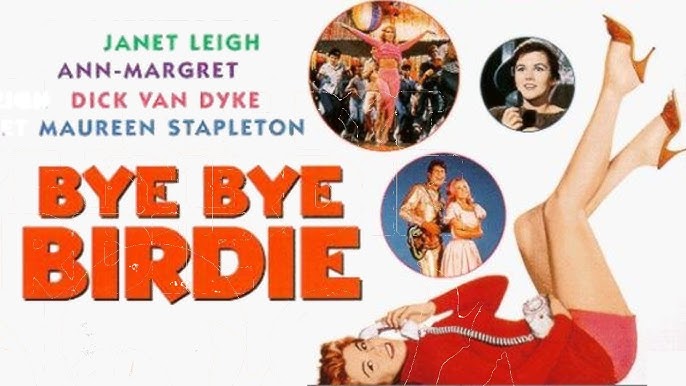
nightglow.info – Bye Bye Birdie (1963) is a vibrant and nostalgic musical comedy that captures the spirit of the 1950s. Based on the Broadway hit, the film adaptation stars Dick Van Dyke, Janet Leigh, and Ann-Margret, and tells the story of a rock ‘n’ roll heartthrob, Conrad Birdie, who is drafted into the army.

A Whimsical Tale of Teen Dreams

The plot revolves around Albert Peterson, a meek and mild-mannered songwriter, and his vivacious secretary, Rosie. When Conrad Birdie is drafted, Albert and Rosie devise a plan to have Birdie give one last kiss to a lucky fan before he departs. They choose Kim McAfee, a shy and awkward teenager from Sweet Apple, Ohio.

A Nostalgic Trip Down Memory Lane

Bye Bye Birdie is a nostalgic trip down memory lane, evoking the era of poodle skirts, drive-in movies, and sock hops. The film’s colorful sets, catchy songs, and energetic dance numbers perfectly capture the excitement and energy of the 1950s.

A Star-Making Performance

Ann-Margret’s performance as Rosie DeLeon is a standout, showcasing her incredible talent as a singer and dancer. Her portrayal of the vivacious and ambitious secretary is both captivating and iconic. Her rendition of the song “Honestly Sincere” is a highlight of the film and has become a classic.

A Timeless Tale of Love and Loss

Beyond its nostalgic appeal, Bye Bye Birdie is a heartwarming story about love, loss, and the power of music. The film explores themes of growing up, chasing dreams, and the bittersweet nature of change.

Bye Bye Birdie is a delightful and entertaining musical comedy that continues to charm audiences of all ages. Its catchy songs, memorable characters, and nostalgic atmosphere make it a timeless classic.

The Wheeler Dealers: A Whimsical Rom-Com

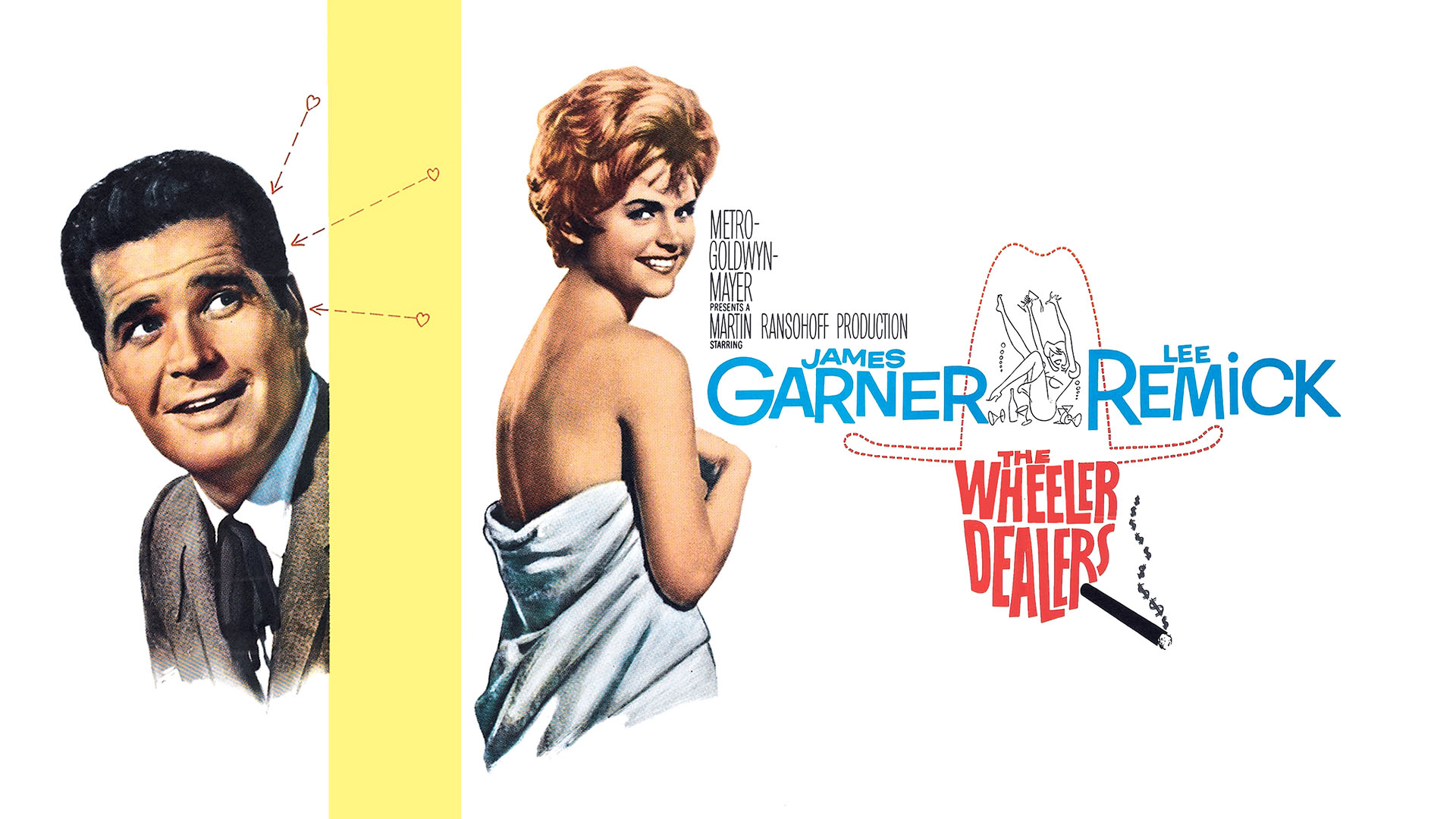
nightglow.info – “The Wheeler Dealers” (1963) is a delightful romantic comedy that captures the spirit of 1960s Hollywood. Directed by Arthur Hiller and starring James Garner and Lee Remick, the film tells the story of a charming Texan con man who arrives in New York City with a plan to raise a million dollars.  

A Con Man with a Heart of Gold

James Garner plays Henry Tyroon, a charismatic and quick-witted Texan who possesses a knack for persuasion and a talent for spinning elaborate tales. When he finds himself short on cash, Henry heads to New York City to secure a loan from a wealthy investor. Along the way, he encounters Molly Thatcher (Lee Remick), a sharp and intelligent Wall Street analyst who is caught up in a corporate scheme to manipulate a worthless stock.   

A Mismatched Duo

Henry and Molly, despite their vastly different backgrounds, form an unlikely partnership. Their chemistry is undeniable, and their witty banter and playful rivalry keep the film light and entertaining. As they navigate the treacherous waters of Wall Street, they fall in love, adding a romantic element to the story.   

A Whimsical Plot with a Touch of Satire

“The Wheeler Dealers” is a lighthearted and humorous film that pokes fun at the corporate world and the high-stakes game of Wall Street. The film’s witty dialogue and clever plot twists keep the audience engaged, while the charming performances of Garner and Remick elevate the film to a higher level.

A Timeless Classic

Despite being a product of its time, “The Wheeler Dealers” remains a timeless classic. Its witty humor, charming characters, and romantic storyline continue to appeal to audiences today. The film’s exploration of love, ambition, and the pursuit of the American Dream is as relevant now as it was in the 1960s.

Conclusion

“The Wheeler Dealers” is a delightful and entertaining film that offers a perfect blend of comedy, romance, and satire. Its charming characters, witty dialogue, and clever plot make it a must-watch for fans of classic Hollywood cinema. Whether you’re looking for a lighthearted escape or a nostalgic trip back to the 1960s, “The Wheeler Dealers” is sure to delight.

Sam Whiskey: A Gold Rush with a Twist

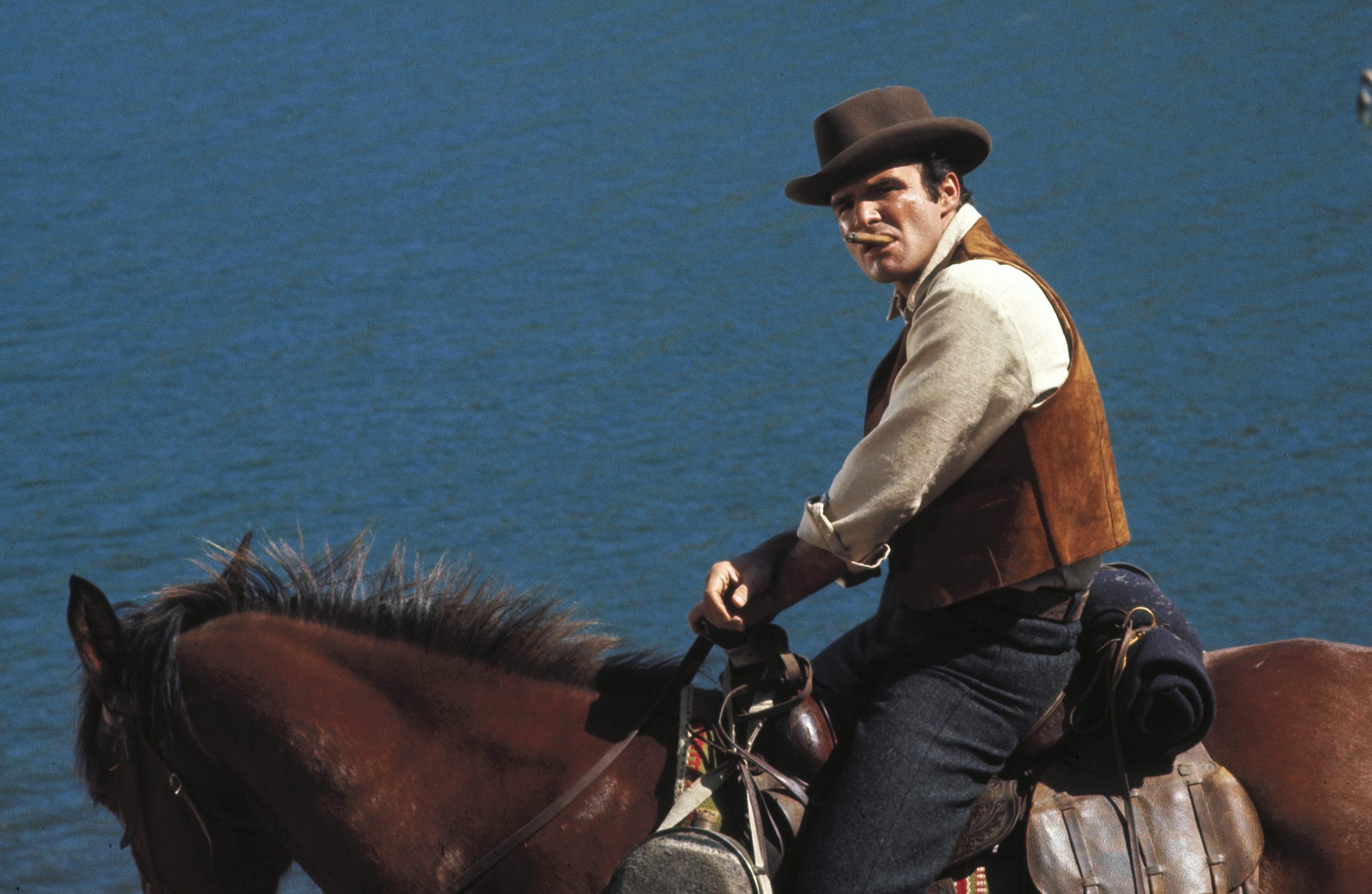
nightglow.info – Sam Whiskey (1969) is a unique Western comedy that blends adventure, romance, and a touch of absurdity. Directed by Arnold Laven, the film stars Burt Reynolds as the titular character, a charming rogue who is hired by the alluring Laura Breckenridge (Angie Dickinson) to recover a stolen stash of gold from a sunken riverboat.

A Star-Studded Cast

Alongside Reynolds and Dickinson, the film boasts a talented cast, including Clint Walker, Ossie Davis, and Dub Taylor. Each actor brings their own unique flair to the film, contributing to its quirky and entertaining atmosphere.

A Peculiar Plot

The plot of Sam Whiskey is as unconventional as its characters. The gold heist, the underwater recovery mission, and the various obstacles that Sam and his team encounter are all presented with a tongue-in-cheek humor that sets the film apart from traditional Westerns. The film’s blend of action, comedy, and romance creates a delightful and unpredictable viewing experience.

A Forgotten Gem

Despite its talented cast and unique premise, Sam Whiskey is often overlooked. However, it remains a beloved film among fans of the Western genre and those who appreciate quirky, offbeat comedies. The film’s blend of humor, adventure, and romance makes it a fun and entertaining watch.

A Timeless Tale

Sam Whiskey may not be a groundbreaking masterpiece, but it is a charming and entertaining film that has stood the test of time. It’s a perfect choice for those looking for a lighthearted and humorous Western that offers a refreshing take on the genre.

Gold of the Amazon Women: A Campy Adventure

nightglow.info Gold of the Amazon Women is a 1979 American action-adventure film directed by Mark L. Lester. This cult classic, often remembered for its campy tone and over-the-top performances, tells the story of a group of Amazon warriors who venture to New York City to reclaim their stolen gold.

A Tale of Treasure and Revenge

The film follows the exploits of a fearless group of Amazon warriors led by the stunningly beautiful and deadly Minerva (Carole Laure). When their tribe’s sacred gold is stolen by a ruthless treasure hunter, Minerva and her elite squad embark on a dangerous mission to New York City to retrieve their stolen heritage.

A Clash of Cultures

As the Amazon warriors navigate the bustling streets of New York, they clash with various adversaries, including corrupt police officers, ruthless gangsters, and bumbling treasure hunters. Their exotic beauty and deadly combat skills make them a formidable force, captivating the attention of the city’s inhabitants.

A Blend of Action, Adventure, and Camp

Gold of the Amazon Women is a blend of action, adventure, and camp. The film’s over-the-top violence, cheesy dialogue, and absurd plot twists have earned it a cult following. The Amazon warriors, with their skimpy outfits and impressive fighting abilities, are iconic figures in the realm of B-movie action.

A Nostalgic Delight

Despite its flaws, Gold of the Amazon Women remains a nostalgic delight for fans of campy action films. Its colorful characters, outrageous plot, and stunning visuals make it a fun and entertaining watch. The film’s enduring popularity is a testament to its unique blend of action, adventure, and humor.

A Cult Classic for the Ages

Gold of the Amazon Women may not be a critical darling, but it has secured its place as a cult classic. Its outrageous premise, over-the-top action sequences, and unforgettable characters make it a must-watch for fans of B-movie cinema. Whether you’re a seasoned fan of cult films or simply looking for a fun and silly movie to watch, Gold of the Amazon Women is sure to entertain.

Will Success Spoil Rock Hunter?: A Satirical Look at Hollywood

nightglow.info – Will Success Spoil Rock Hunter? (1957) is a satirical comedy that lampoons the excesses of the Hollywood film industry. Directed by Frank Tashlin and starring Tony Randall, Jayne Mansfield, and Robert Wagner, the film is a witty and often absurd look at the world of movie stardom.

A Tale of a Reluctant Star

The film follows the story of Rock Hunter (Tony Randall), a mild-mannered advertising executive who is thrust into the spotlight when a glamorous actress, Rita Marlowe (Jayne Mansfield), takes a liking to him. As Rock navigates the treacherous waters of Hollywood, he encounters a cast of eccentric characters, including a conniving studio boss, a neurotic screenwriter, and a manipulative press agent.

A Satirical Take on Hollywood Excess

Will Success Spoil Rock Hunter? is a satirical masterpiece that skewers the clichés and stereotypes of the Hollywood film industry. The film’s sharp wit and over-the-top humor poke fun at the superficiality and materialism of the entertainment world. The film’s portrayal of the studio system, with its emphasis on image and publicity, is both insightful and hilarious.

Jayne Mansfield’s Iconic Performance

Jayne Mansfield delivers a tour-de-force performance as the glamorous and manipulative Rita Marlowe. Her iconic blonde bombshell persona is perfectly suited for the role, and she commands the screen with her magnetic presence. Mansfield’s comedic timing and physical comedy add to the film’s humor and absurdity.

A Timeless Classic

Will Success Spoil Rock Hunter? is a timeless classic that continues to entertain audiences with its sharp wit, memorable characters, and hilarious situations. The film’s exploration of fame, desire, and the pressures of the entertainment industry remains relevant today.

Why You Should Watch Will Success Spoil Rock Hunter?

  • A Hilarious Satire: The film’s witty script and sharp social commentary make it a truly entertaining watch.
  • Iconic Performances: Tony Randall and Jayne Mansfield deliver memorable performances.
  • A Timeless Classic: The film’s exploration of fame, desire, and the pressures of the entertainment industry remains relevant today.
  • A Fun and Entertaining Film: The film’s over-the-top humor and absurd situations make it a delightful watch.

The Hallelujah Trail (1965): A Western Comedy Adventure

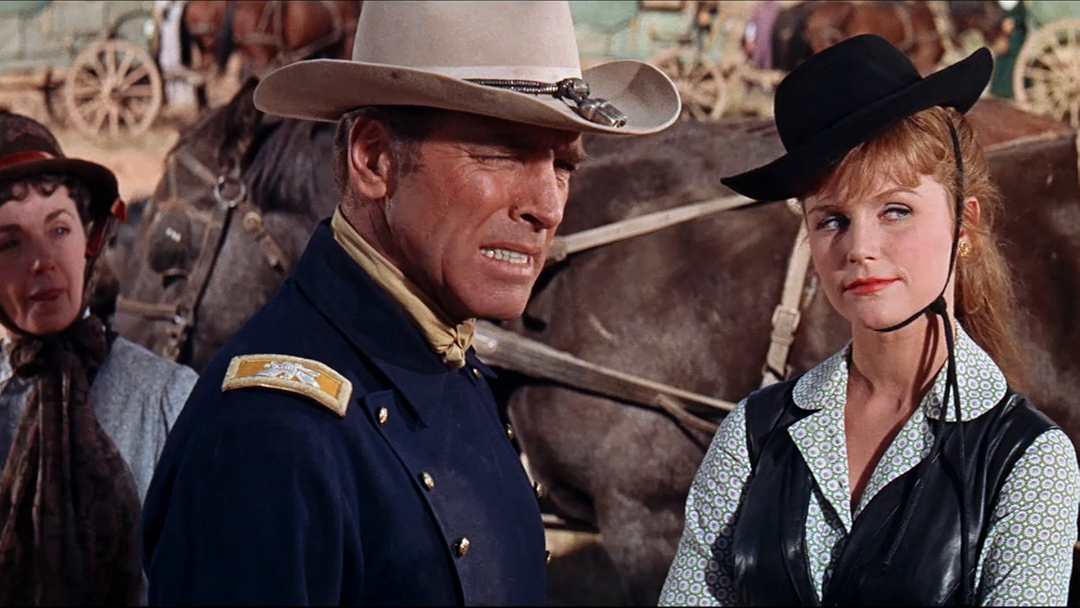
nightglow.info – “The Hallelujah Trail” is a 1965 satirical Western comedy film directed by John Sturges. Known for its humorous take on the Western genre, the film combines elements of adventure and comedy against the backdrop of the American frontier. With a star-studded cast and a sprawling narrative, “The Hallelujah Trail” offers a unique blend of humor and action.

Plot Overview

Set in the year 1867, the film tells the story of a group of characters who converge on a mission to transport a vital shipment of whiskey to the town of Denver, Colorado, as winter approaches. The plot revolves around:

  1. Colonel Thaddeus Gearhart (played by Burt Lancaster): A seasoned cavalry officer assigned to protect the whiskey shipment from potential threats.
  2. Frank Wallingham (played by Brian Keith): The owner of the whiskey shipment, who is determined to see it safely arrive in Denver.
  3. Cora Templeton Massingale (played by Lee Remick): The leader of the Temperance Movement, who aims to stop the whiskey delivery to promote sobriety.
  4. Chief Walks-Stooped-Over (played by Martin Landau): A Native American chief who sees the whiskey as an opportunity for negotiation and leverage.

Setting and Cinematography

The film was shot in various locations across New Mexico and Arizona, capturing the rugged and expansive landscapes typical of Western films. The cinematography showcases sweeping vistas and detailed set pieces, complementing the film’s large-scale comedic set-pieces and action sequences.

Themes and Style

“The Hallelujah Trail” employs satire to critique the stereotypes and tropes of traditional Westerns. It explores themes of cultural clash, the absurdity of human endeavors, and the unpredictability of frontier life. The film’s comedic style is characterized by slapstick humor, witty dialogue, and a series of escalating mishaps that bring the diverse group of characters into conflict and cooperation.

Reception and Legacy

Upon its release, “The Hallelujah Trail” received mixed reviews, with critics divided on its comedic approach to the Western genre. However, it was praised for its ambitious production, engaging performances, and its ability to parody the conventions of Western films.

Over the years, the film has become a cult favorite, appreciated for its humor and its willingness to subvert traditional Western narratives. Its influence can be seen in subsequent films that blend comedy with genre conventions, paving the way for more playful interpretations of the Western.

Conclusion

“The Hallelujah Trail” stands out as a unique entry in the Western genre, offering audiences a comedic and satirical take on frontier life. With its memorable performances, humor, and epic scale, the film continues to entertain and amuse viewers, securing its place as a classic comedy adventure of the 1960s.

The Comedic Charm of “Who’s Been Sleeping in My Bed?” (1963)

nightglow.info – “Who’s Been Sleeping in My Bed?” is a 1963 comedy film that showcases the era’s lighthearted humor through the talents of a remarkable cast. Directed by Daniel Mann and featuring Dean Martin, the movie offers a glimpse into the whimsical world of romantic misadventures and comedic misunderstandings typical of its time. This article explores the film’s plot, its main characters, and the elements that make it a memorable piece of 1960s cinema.

Plot Overview

The story revolves around Jason Steel, played by Dean Martin, a television actor famous for his role as a doctor on a popular TV show. Despite his on-screen success, Jason is plagued by insecurities about his real-life relationships. His fiancée, Melissa Morris, portrayed by Elizabeth Montgomery, is an art teacher who finds herself entangled in the chaos of Jason’s life and career.

The plot thickens when Jason’s poker buddies, who are unhappy in their marriages, begin to confide in him about their romantic issues. This leads to a series of comedic events and misunderstandings, as Jason inadvertently becomes a confidant and advisor, despite his own romantic uncertainties.

Character Dynamics

Dean Martin’s performance as Jason Steel brings a charming blend of humor and vulnerability to the character. His on-screen chemistry with Elizabeth Montgomery adds depth to their relationship, while the supporting cast, including Carol Burnett, further enriches the narrative with their comedic flair.

Carol Burnett’s role as Stella Paxton, one of Jason’s friends, provides additional humor and complexity to the storyline. Her interactions with Jason highlight the challenges and hilarities of navigating friendships and romantic entanglements in the 1960s.

Cinematic Style and Themes

The film embodies the quintessential style of 1960s comedies, characterized by playful banter, situational humor, and a touch of romance. Its themes explore the complexities of love, marriage, and friendship, all wrapped in a light-hearted narrative that reflects the social norms and expectations of its time.

Conclusion

“Who’s Been Sleeping in My Bed?” remains a delightful example of 1960s comedy, showcasing the era’s unique blend of romance and humor. While it may not have redefined the genre, its engaging performances and comedic scenarios ensure its place as a charming cinematic experience from the era. Whether you’re a fan of Dean Martin or interested in classic comedies, this film offers an entertaining glimpse into the past and the timeless nature of romantic misadventures.

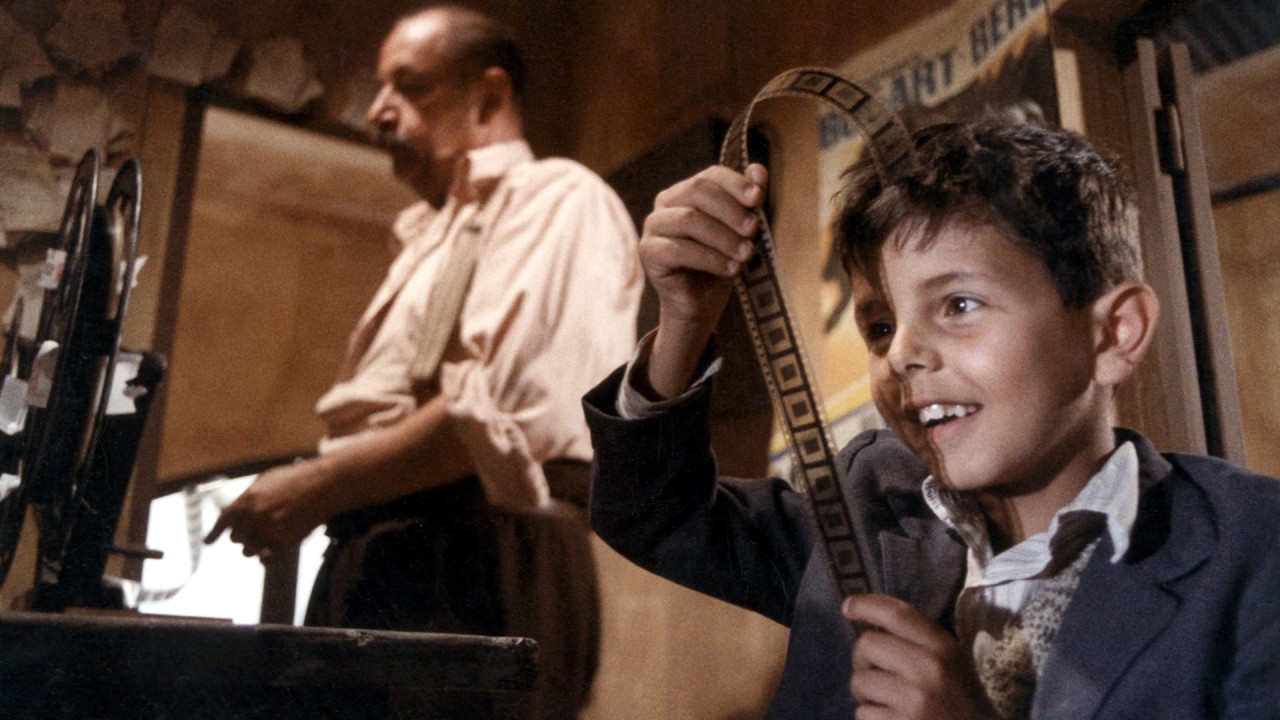
Cinema Paradiso (1988): A Heartfelt Ode to the Magic of Cinema

nightglow.info – “Cinema Paradiso,” directed by Giuseppe Tornatore, is a timeless Italian film that beautifully captures the essence of nostalgia and the transformative power of cinema. Released in 1988, the film has touched audiences worldwide with its poignant storytelling and evocative imagery. It explores themes of friendship, love, and the bittersweet nature of reminiscence, making it a beloved classic in the realm of world cinema.

Plot Summary

The story unfolds through the eyes of Salvatore Di Vita, a successful filmmaker who learns of the death of Alfredo, a projectionist at his childhood cinema. This news prompts Salvatore to return to his roots in a small Sicilian village, where he reflects on his past and the influential role that Alfredo played in his life. Through a series of flashbacks, we witness young Salvatore’s (affectionately called Toto) fascination with films and his burgeoning friendship with Alfredo, who becomes a father figure and mentor.

The Magic of Cinema

“Cinema Paradiso” is a celebration of cinema itself. The village’s movie theater, the Paradiso, serves as the heart of the community, bringing people together and offering an escape from the mundanity of everyday life. Tornatore masterfully uses the theater as a symbol of hope, dreams, and the passage of time. The film showcases the evolution of cinema, from black-and-white silent films to the vibrant colors of modern movies, mirroring Toto’s own journey from innocence to experience.

Themes and Motifs

At its core, “Cinema Paradiso” is a story about the passage of time and the inevitability of change. It explores the bittersweet nature of memory and the way our past shapes our present. The film also delves into the complexities of love and loss, as Salvatore navigates his youthful infatuation and the heartache of leaving his village behind.

The relationship between Toto and Alfredo is central to the narrative. Alfredo’s wisdom and encouragement help Toto pursue his dreams, while Toto’s unwavering admiration gives Alfredo a sense of purpose. Their bond transcends generational divides, highlighting the universal power of mentorship and friendship.

Cinematic Techniques

Giuseppe Tornatore’s direction is complemented by Ennio Morricone’s hauntingly beautiful score, which enhances the film’s emotional depth. The cinematography captures the idyllic charm of the Sicilian landscape, juxtaposed with the intimate interiors of the Paradiso theater. Tornatore’s use of light and shadow adds a layer of visual poetry, reflecting the film’s themes of memory and nostalgia.

Conclusion

“Cinema Paradiso” is a masterpiece that resonates with anyone who has ever been touched by the magic of movies. It is a heartfelt tribute to the power of cinema to inspire, connect, and transform lives. Through its rich storytelling and unforgettable characters, the film reminds us of the enduring impact of our past and the people who shape our journey. As Salvatore looks back on his childhood, we are reminded of our own cherished memories and the timeless allure of the silver screen.

Pocketful of Miracles (1961): A Tale of Transformation and Hope

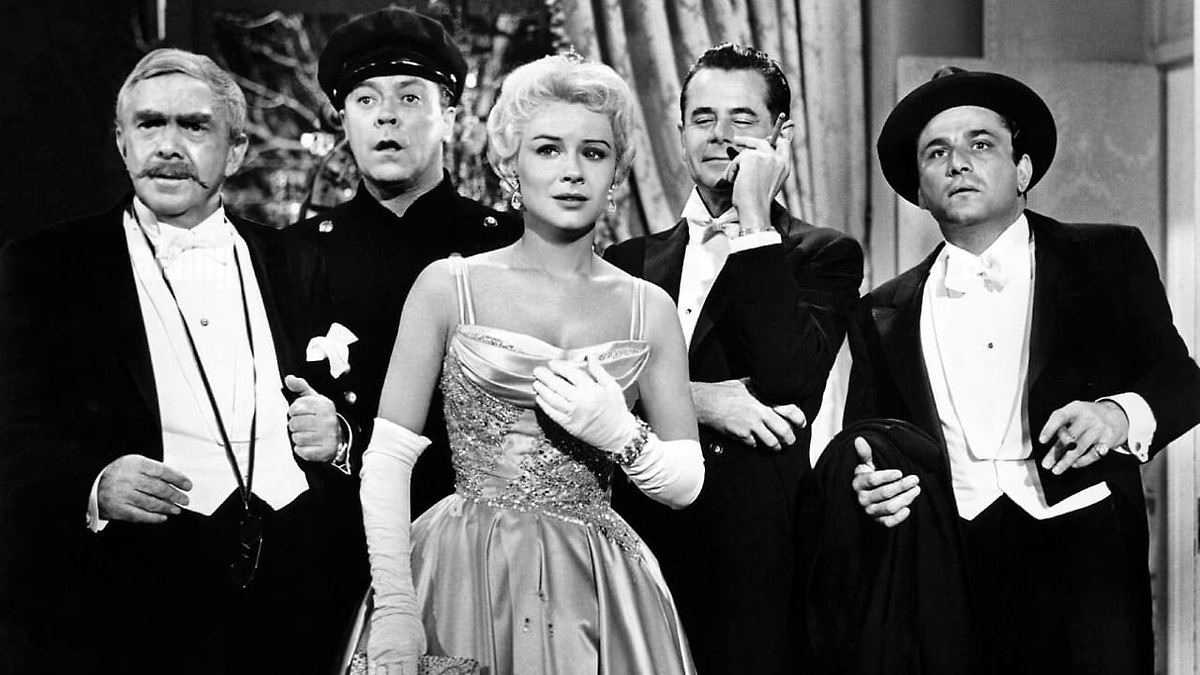
nightglow.info – “Pocketful of Miracles,” directed by Frank Capra and released in 1961, is a charming comedy-drama that captures the spirit of transformation and the power of kindness. Featuring a stellar cast led by Bette Davis, Glenn Ford, and Hope Lange, the film is a remake of Capra’s own 1933 film “Lady for a Day.” Here’s an exploration of the film’s plot, performances, and enduring appeal.

A Story of Deception and Redemption

Set in 1930s New York, “Pocketful of Miracles” follows the story of Apple Annie, a street peddler played by Bette Davis, who sells apples to support herself and maintain the illusion of an affluent lifestyle in letters to her daughter, Louise. When Louise announces her impending visit with her wealthy fiancé and his father, Apple Annie’s world is turned upside down. With the help of Dave the Dude, a kind-hearted gangster portrayed by Glenn Ford, and his girlfriend Queenie, played by Hope Lange, Annie is transformed into a society lady to maintain her daughter’s illusions.

Stellar Performances and Chemistry

Bette Davis shines as Apple Annie, bringing depth and warmth to the character of a mother caught in a web of her own making. Her portrayal captures Annie’s vulnerability and determination, making her a sympathetic and endearing figure. Glenn Ford delivers a charismatic performance as Dave the Dude, whose gruff exterior hides a heart of gold. The chemistry between Ford and Lange, as well as the camaraderie among the supporting cast, adds charm and humor to the film.

Themes of Kindness and Transformation

At its core, “Pocketful of Miracles” is a story about the transformative power of kindness and community. The film highlights how acts of generosity, even when driven by self-interest, can lead to unexpected positive outcomes. The characters’ willingness to help Annie, despite their own challenges, underscores the idea that miracles can happen when people come together for a common cause.

Frank Capra’s Signature Touch

Frank Capra’s direction brings his signature touch of warmth and optimism to “Pocketful of Miracles.” Known for his ability to tell uplifting stories with a touch of humor, Capra infuses the film with a sense of hope and humanity. The film’s blend of comedy and drama, coupled with its heartfelt message, resonates with audiences and exemplifies Capra’s mastery of the feel-good genre.

Enduring Appeal and Legacy

“Pocketful of Miracles” remains a beloved classic, celebrated for its heartwarming narrative and memorable performances. While it is a product of its time, the film’s themes of love, sacrifice, and the enduring power of community continue to resonate with audiences. Its status as a remake of Capra’s earlier work adds an element of nostalgia, showcasing the timeless appeal of stories that celebrate the triumph of the human spirit.

In conclusion, “Pocketful of Miracles” is a delightful film that combines humor, heart, and a touch of whimsy to tell a timeless story of transformation and hope. Its enduring charm and uplifting message make it a cherished piece of cinematic history.

Ladies of the Chorus (1948): A Cinematic Journey into the Past

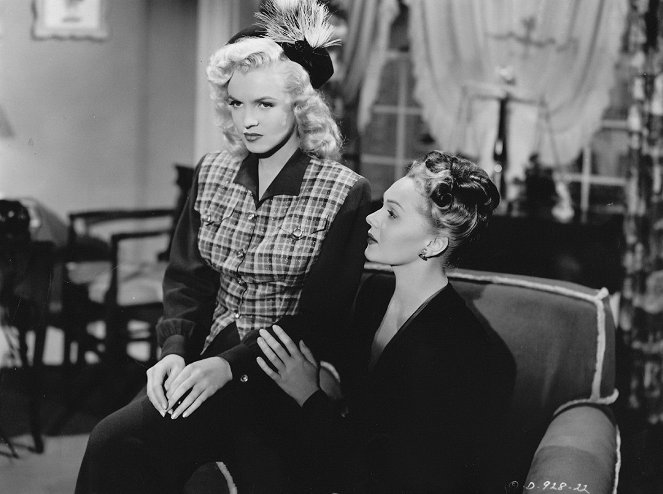
nightglow.info – “Ladies of the Chorus” is a 1948 American musical romance film that holds a special place in cinematic history. Directed by Phil Karlson, this film brought together a talented cast including Adele Jergens, Marilyn Monroe, and Rand Brooks. Released by Columbia Pictures, it serves as a significant piece in the early career of Marilyn Monroe, showcasing her potential as a leading actress.

Plot Overview

The film is centered around the lives of Peggy Martin and her mother Mae, both of whom are burlesque chorus girls. The story takes a turn when the star performer, Bubbles LaRue, quits, and stage manager Joe asks Mae to perform a special number. However, Mae has plans for her daughter Peggy to shine, leading to a series of events that change their lives. The plot intricately weaves themes of love, ambition, and the societal challenges faced by women in the performing arts.

Marilyn Monroe’s Breakthrough Role

Marilyn Monroe’s performance in “Ladies of the Chorus” is a pivotal moment in her career. Although she was not yet a household name, her role as Peggy Martin allowed her to display her singing and acting talents, which would later catapult her to stardom. This film is often noted for providing Monroe with her first significant role, setting the stage for her future success in Hollywood.

Directorial Vision

Phil Karlson, known for his work in various film genres, brought a unique vision to “Ladies of the Chorus.” His direction helped in capturing the nuances of the musical and emotional elements of the story, providing audiences with a glimpse into the world of burlesque and the personal struggles of its performers. Karlson’s ability to blend romance with musical performances makes this film a memorable experience.

Cultural Impact

The release of “Ladies of the Chorus” came at a time when musicals were a popular genre in Hollywood. The film’s portrayal of the lives of chorus girls provided a narrative that was both entertaining and reflective of societal norms of the time. It remains a testament to the era’s cinematic style and continues to be appreciated by classic film enthusiasts.

Conclusion

“Ladies of the Chorus” is more than just a musical romance; it is a film that captures the essence of a bygone era. With its engaging storyline and notable performances, particularly by Marilyn Monroe, it holds an enduring appeal. As audiences revisit this classic, they are reminded of the transformative power of cinema and the timeless allure of Hollywood’s golden age.

Alone (2007): A Chilling Tale of Sisterhood and Secrets

nightglow.info – “Alone,” a 2007 Thai horror film directed by Banjong Pisanthanakun and Parkpoom Wongpoom, is a spine-tingling exploration of guilt, identity, and the supernatural. Following the success of their previous film, “Shutter” (2004), the directors crafted another atmospheric horror story that captivated audiences with its haunting narrative and suspenseful storytelling.

Plot Summary

The film centers on Pim, a young woman living in South Korea with her boyfriend, Wee. After receiving news that her estranged mother is gravely ill, Pim returns to Thailand, where she is forced to confront her past. Pim and her deceased conjoined twin sister, Ploy, shared an inseparable bond that ended tragically when they were separated.

As Pim settles back into her childhood home, she begins to experience terrifying visions and unexplained occurrences, leading her to believe that Ploy’s spirit is haunting her. As the haunting intensifies, secrets from their past unravel, revealing a dark and shocking truth about the sisters’ relationship.

Themes and Symbolism

“Alone” delves into themes of guilt, jealousy, and the complexities of sibling relationships. The film uses the unique concept of conjoined twins to explore issues of identity and the psychological impact of separation. The haunting serves as a metaphor for unresolved emotions and the inescapable nature of the past.

Cinematic Techniques

The directors employ a range of cinematic techniques to create a chilling atmosphere, including eerie sound design, unsettling visuals, and expertly timed jump scares. The film’s setting, primarily in the old family home, adds to the sense of isolation and unease, enhancing the film’s suspenseful mood.

Reception and Impact

“Alone” received positive reviews for its engaging storyline and effective scares. Audiences praised the film’s ability to maintain tension and deliver unexpected twists. It was particularly noted for its strong performances, especially by actress Marsha Wattanapanich, who portrayed the dual roles of Pim and Ploy.

The film’s success further cemented Banjong Pisanthanakun and Parkpoom Wongpoom’s reputation as masters of horror, contributing to the global appreciation of Thai horror cinema.

Conclusion

“Alone” stands out as a compelling and eerie horror film that masterfully weaves psychological depth with supernatural elements. Its exploration of sisterhood and the haunting consequences of past actions resonates with audiences, making it a memorable entry in the horror genre. The film’s ability to blend emotional storytelling with suspenseful horror continues to captivate and terrify viewers worldwide.

A Journey Through Time in “Ash is Purest White” (2018)

nightglow.info – “Ash is Purest White,” directed by renowned Chinese filmmaker Jia Zhangke, is a poignant exploration of love, loyalty, and societal change. Released in 2018, the film combines elements of romance and crime drama to paint a vivid picture of contemporary China. By weaving personal narratives with broader socio-economic themes, Jia Zhangke creates a cinematic experience that is both intimate and expansive.

Plot Summary

The film centers around Qiao, a resilient woman portrayed by Zhao Tao, and her relationship with Bin, a small-time gangster played by Liao Fan. Set against the backdrop of China’s rapidly transforming landscape, the narrative spans nearly two decades, starting in 2001. Qiao’s journey begins when she sacrifices her freedom to protect Bin during a violent altercation, resulting in her imprisonment. Upon her release, she embarks on a quest to reunite with Bin, only to find that both he and the world around her have changed.

Visual and Cinematic Techniques

Jia Zhangke’s direction is marked by his skillful use of visual storytelling. The film’s cinematography captures the stark contrasts between the old and new China, highlighting both the beauty and desolation of its changing environments. Long takes and wide shots are employed to emphasize the characters’ isolation and the vastness of their surroundings. The director’s subtle yet powerful visual style enhances the emotional depth of the narrative, making the film a rich visual tapestry.

Themes and Symbolism

“Ash is Purest White” delves into themes of love, betrayal, and the quest for identity amidst societal upheaval. The title itself symbolizes resilience and purity amidst destruction, reflecting Qiao’s enduring spirit. The film also critiques the impact of modernization on traditional values and relationships, illustrating the tension between personal desires and societal expectations.

Performance and Critical Reception

Zhao Tao’s performance as Qiao is a highlight of the film, bringing complexity and nuance to her character. Her portrayal of strength and vulnerability resonates with audiences, earning critical acclaim. The film was well-received internationally, with praise for its storytelling, direction, and exploration of contemporary issues. It premiered at the Cannes Film Festival, further solidifying Jia Zhangke’s reputation as a master storyteller.

Conclusion

“Ash is Purest White” is a profound and moving film that captures the essence of a rapidly changing society. Through its intricate narrative and compelling characters, it offers a timeless reflection on the nature of love, loyalty, and the human spirit. As Jia Zhangke continues to explore the intersections of personal and societal narratives, this film stands as a testament to his artistic vision and storytelling prowess.

The Timeless Impact of Pulp Fiction

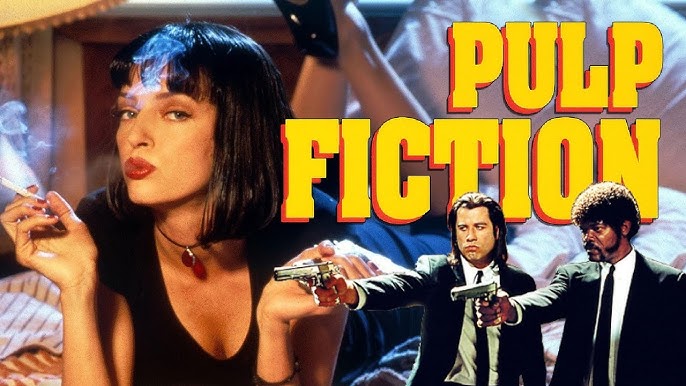
nightglow.info – “Pulp Fiction,” directed by Quentin Tarantino and released in 1994, is a film that has left an indelible mark on cinema. With its non-linear narrative structure, eclectic dialogue, and a mix of humor and violence, it continues to captivate audiences around the world. The film stars John Travolta, Samuel L. Jackson, Uma Thurman, and Bruce Willis, among others, and is renowned for its inventive storytelling and memorable characters.

Narrative Structure and Style

One of the most distinctive features of “Pulp Fiction” is its non-linear narrative. The film is divided into several interconnected stories, each focusing on different characters and events that overlap in unexpected ways. This unconventional structure not only challenges viewers to piece together the timeline but also enhances the film’s rewatchability as audiences discover new details with each viewing.

Tarantino’s stylistic choices, including his use of pop culture references and eclectic soundtrack, create a unique atmosphere that feels both familiar and innovative. The dialogue is sharp, witty, and often laced with dark humor, making it one of the most quoted films of all time.

Iconic Characters and Performances

The film’s ensemble cast delivers standout performances, breathing life into a diverse array of characters. John Travolta’s portrayal of Vincent Vega and Samuel L. Jackson’s portrayal of Jules Winnfield, two hitmen with philosophical inclinations, are particularly memorable. Their chemistry and banter have become iconic, with Jackson’s delivery of biblical verses before executing targets remaining a highlight.

Uma Thurman’s role as Mia Wallace, the enigmatic wife of crime boss Marsellus Wallace, is equally iconic. Her dance scene with Travolta to Chuck Berry’s “You Never Can Tell” is one of the film’s most enduring moments. Bruce Willis’s portrayal of Butch Coolidge, a boxer on the run after double-crossing Wallace, adds depth and tension to the narrative.

Cultural Impact and Legacy

Since its release, “Pulp Fiction” has garnered critical acclaim and a cult following. It won the Palme d’Or at the Cannes Film Festival and received multiple Academy Award nominations, including Best Picture. The film’s success also revitalized John Travolta’s career and solidified Tarantino’s reputation as a groundbreaking filmmaker.

“Pulp Fiction” has had a lasting influence on popular culture and the film industry. Its dialogue, style, and narrative techniques have inspired countless filmmakers and have been referenced in various media. The film’s ability to blend genres and push the boundaries of storytelling continues to resonate with audiences, making it a timeless classic.

Conclusion

“Pulp Fiction” remains a seminal work in the world of cinema, celebrated for its innovative narrative, memorable characters, and cultural impact. Quentin Tarantino’s masterpiece challenges conventional storytelling and offers a cinematic experience that is both entertaining and thought-provoking. Its legacy endures, reminding us of the power of film to captivate and inspire.