
The Timeless Impact of Pulp Fiction

nightglow.info – “Pulp Fiction,” directed by Quentin Tarantino and released in 1994, is a film that has left an indelible mark on cinema. With its non-linear narrative structure, eclectic dialogue, and a mix of humor and violence, it continues to captivate audiences around the world. The film stars John Travolta, Samuel L. Jackson, Uma Thurman, and Bruce Willis, among others, and is renowned for its inventive storytelling and memorable characters.

Narrative Structure and Style

One of the most distinctive features of “Pulp Fiction” is its non-linear narrative. The film is divided into several interconnected stories, each focusing on different characters and events that overlap in unexpected ways. This unconventional structure not only challenges viewers to piece together the timeline but also enhances the film’s rewatchability as audiences discover new details with each viewing.

Tarantino’s stylistic choices, including his use of pop culture references and eclectic soundtrack, create a unique atmosphere that feels both familiar and innovative. The dialogue is sharp, witty, and often laced with dark humor, making it one of the most quoted films of all time.

Iconic Characters and Performances

The film’s ensemble cast delivers standout performances, breathing life into a diverse array of characters. John Travolta’s portrayal of Vincent Vega and Samuel L. Jackson’s portrayal of Jules Winnfield, two hitmen with philosophical inclinations, are particularly memorable. Their chemistry and banter have become iconic, with Jackson’s delivery of biblical verses before executing targets remaining a highlight.

Uma Thurman’s role as Mia Wallace, the enigmatic wife of crime boss Marsellus Wallace, is equally iconic. Her dance scene with Travolta to Chuck Berry’s “You Never Can Tell” is one of the film’s most enduring moments. Bruce Willis’s portrayal of Butch Coolidge, a boxer on the run after double-crossing Wallace, adds depth and tension to the narrative.

Cultural Impact and Legacy

Since its release, “Pulp Fiction” has garnered critical acclaim and a cult following. It won the Palme d’Or at the Cannes Film Festival and received multiple Academy Award nominations, including Best Picture. The film’s success also revitalized John Travolta’s career and solidified Tarantino’s reputation as a groundbreaking filmmaker.

“Pulp Fiction” has had a lasting influence on popular culture and the film industry. Its dialogue, style, and narrative techniques have inspired countless filmmakers and have been referenced in various media. The film’s ability to blend genres and push the boundaries of storytelling continues to resonate with audiences, making it a timeless classic.

Conclusion

“Pulp Fiction” remains a seminal work in the world of cinema, celebrated for its innovative narrative, memorable characters, and cultural impact. Quentin Tarantino’s masterpiece challenges conventional storytelling and offers a cinematic experience that is both entertaining and thought-provoking. Its legacy endures, reminding us of the power of film to captivate and inspire.
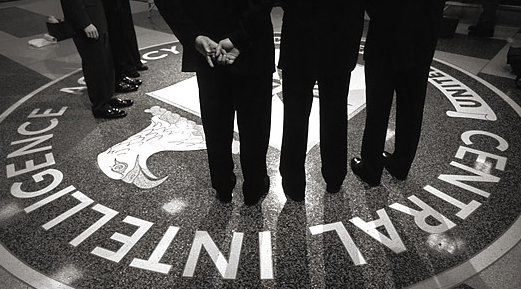
A Critical Review: CIA’s Impact on International Relations

nightglow.info – The Central Intelligence Agency (CIA) has been a pivotal player in international relations since its inception in 1947. As the primary foreign intelligence service of the United States, the CIA has significantly influenced global politics, economics, and security through its covert and overt operations. This article critically reviews the CIA’s impact on international relations, examining its roles in shaping foreign policy, fostering alliances, and navigating conflicts.

The CIA’s Role in Shaping Foreign Policy

The CIA plays a crucial role in informing and shaping U.S. foreign policy. Through its intelligence gathering and analysis, the agency provides policymakers with critical information about foreign governments, military capabilities, and political movements. This intelligence has often been instrumental in decision-making processes, influencing diplomatic strategies, military interventions, and economic sanctions.

Fostering Alliances and Countering Threats

The CIA has been instrumental in fostering alliances with foreign governments and countering threats from adversaries. By engaging in covert operations, the agency has supported friendly regimes, undermined hostile governments, and neutralized perceived threats to national security. These activities have had profound effects on international relations, sometimes strengthening alliances but also leading to tensions and conflicts.

Controversial Operations and Their Consequences

Several CIA operations have been highly controversial, sparking international outrage and affecting diplomatic relations. Examples include the overthrow of democratically elected governments, support for authoritarian regimes, and involvement in torture and rendition programs. These actions have tarnished the U.S. image abroad and complicated its international engagements.

The CIA and Global Conflicts

The CIA has been deeply involved in various global conflicts, often operating behind the scenes to influence outcomes. From the Cold War to the War on Terror, the agency has conducted covert operations, supported insurgencies, and engaged in psychological warfare. These activities have had mixed results, sometimes contributing to stability but also fueling proxy wars and humanitarian crises.

The Impact on International Law and Norms

The CIA’s operations have often challenged international law and norms, raising questions about the legality and morality of its actions. Issues such as sovereignty, human rights, and the use of force have been central to these debates. The agency’s secretive nature and the lack of transparency have further complicated its relationship with international legal frameworks.

Conclusion

The CIA’s impact on international relations is profound and multifaceted. While the agency has undoubtedly contributed to U.S. national security and global stability in some instances, its controversial operations have also led to significant challenges and criticisms. As the world continues to navigate an increasingly complex international landscape, the CIA’s role and its implications for international relations remain a subject of critical scrutiny and debate.

The Jihadist Insurgency in Burkina Faso: Impact & Response

nightglow.info – Burkina Faso, a landlocked country in West Africa, has been grappling with a growing jihadist insurgency that has escalated in recent years. This insurgency, fueled by various factors including regional instability, poverty, and governance issues, has had a profound impact on the country’s security, economy, and social fabric. This article examines the origins and nature of the jihadist insurgency in Burkina Faso, its impact on the country, and the response from both the government and international community.

Origins and Nature of the Insurgency

The roots of the jihadist insurgency in Burkina Faso can be traced back to the early 2010s, with the spread of jihadist groups from neighboring Mali. Groups such as Ansarul Islam, affiliated with al-Qaeda, and the Islamic State in the Greater Sahara (ISGS) have exploited local grievances and regional instability to gain a foothold in Burkina Faso.

Ideology and Tactics

The jihadist groups operating in Burkina Faso are driven by a mix of religious extremism and opposition to the state and its perceived secular values. They employ tactics such as ambushes, suicide bombings, and targeted assassinations to destabilize the government and spread fear among the population.

Impact of the Insurgency

The jihadist insurgency has had a devastating impact on Burkina Faso, affecting every aspect of life in the country.

Security and Humanitarian Crisis

The insurgency has led to a significant deterioration in security, with frequent attacks on military installations, civilians, and humanitarian workers. This has resulted in a large number of casualties and a humanitarian crisis, with hundreds of thousands of people displaced from their homes.

Economic Impact

The instability caused by the insurgency has had a severe impact on Burkina Faso’s economy. Agriculture, a mainstay of the economy, has been particularly hard hit, with farmers unable to cultivate their lands due to the insecurity. This has led to food shortages and increased poverty.

Social Fabric

The insurgency has also strained the social fabric of Burkina Faso, leading to communal tensions and a sense of insecurity among the population. The displacement of communities has disrupted social networks and traditional livelihoods, further exacerbating the crisis.

Response to the Insurgency

The Burkinabe government, along with the international community, has been working to address the jihadist insurgency through various initiatives.

Military Response

The Burkinabe military has launched several operations to counter the jihadist threat, with some success in reclaiming territory and reducing the frequency of attacks. However, these operations have also led to civilian casualties and further displacement, highlighting the challenges of military solutions.

Regional Cooperation

Burkina Faso is part of the G5 Sahel, a regional initiative aimed at addressing the security challenges in the Sahel region. This includes joint military operations and efforts to improve governance and economic development as part of a comprehensive approach to countering the insurgency.

International Support

The international community, including the United Nations, European Union, and individual countries, has provided support to Burkina Faso in the form of military assistance, training, and humanitarian aid. This support is crucial for addressing both the immediate security challenges and the underlying issues that fuel the insurgency.

Conclusion

The jihadist insurgency in Burkina Faso is a complex issue that requires a multifaceted response. While military action is necessary to address the immediate security threats, long-term solutions must focus on addressing the root causes of the insurgency, including poverty, governance issues, and regional instability. The collaboration between the Burkinabe government, regional partners, and the international community is essential for effectively countering the jihadist threat and restoring peace and stability in Burkina Faso.

The Impact of Instagram on Body Image and Self-Perception

In the digital age, social media platforms have become ubiquitous in our daily lives, shaping the way we communicate, share information, and perceive ourselves and others. Among these platforms, Instagram stands out for its visual content focus, making it a powerful tool for both positive and negative influences on body image and self-perception. This article delves into the impact of Instagram on these critical aspects of mental and emotional well-being.

The Positive Influence

Instagram has emerged as a space where body positivity movements have gained significant traction. The platform allows for diverse representations of beauty, encouraging users to embrace their unique features and celebrate their bodies. Influencers and celebrities who advocate for body positivity and self-love have amassed large followings, using their platforms to challenge conventional beauty standards and promote inclusivity.

Moreover, Instagram has become a platform for communities centered around mental health and self-care, offering support and resources to users struggling with body image issues. These communities provide a sense of belonging and understanding, helping individuals to feel less isolated in their experiences.

The Negative Impact

Despite its potential for positive influence, Instagram’s impact on body image and self-perception is not without its drawbacks. The prevalence of filtered, edited, and often unrealistic images of bodies can lead to unhealthy comparisons and dissatisfaction with one’s appearance. Studies have shown a correlation between excessive use of social media, including Instagram, and increased rates of anxiety, depression, and eating disorders, particularly among young adults and teenagers.

The pressure to present a perfect image can also contribute to a culture of self-objectification, where individuals view themselves through the lens of how they believe others will perceive them. This can lead to a distorted self-image and a preoccupation with appearance, detracting from other aspects of personal identity and self-worth.

Navigating Instagram Responsibly

To mitigate the negative impacts of Instagram on body image and self-perception, it’s crucial for users to engage with the platform mindfully. This includes following accounts that promote body positivity, mental health, and realistic body images. Users should also be encouraged to critically evaluate the content they consume, recognizing the prevalence of editing and the unrealistic standards it may promote.

Instagram itself has taken steps to address these concerns, introducing features like the option to hide like counts and the promotion of mental health resources. However, the platform’s algorithms, which often prioritize content that garners high engagement, can still inadvertently promote unrealistic beauty standards.

Conclusion

Instagram’s impact on body image and self-perception is complex and multifaceted, offering both opportunities for empowerment and challenges to mental and emotional well-being. As users, it’s essential to approach the platform with awareness and intention, seeking out content that uplifts and supports a healthy self-image. For Instagram and other social media platforms, the responsibility lies in continuing to evolve their features and policies to foster a more positive and inclusive online environment. Ultimately, the goal should be to leverage the power of social media to promote genuine self-acceptance and well-being for all users.