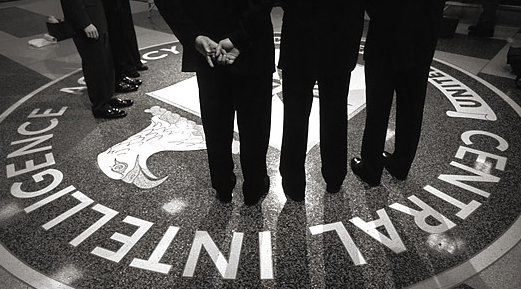
nightglow.info – The Central Intelligence Agency (CIA) has been a pivotal player in international relations since its inception in 1947. As the primary foreign intelligence service of the United States, the CIA has significantly influenced global politics, economics, and security through its covert and overt operations. This article critically reviews the CIA’s impact on international relations, examining its roles in shaping foreign policy, fostering alliances, and navigating conflicts.
The CIA’s Role in Shaping Foreign Policy
The CIA plays a crucial role in informing and shaping U.S. foreign policy. Through its intelligence gathering and analysis, the agency provides policymakers with critical information about foreign governments, military capabilities, and political movements. This intelligence has often been instrumental in decision-making processes, influencing diplomatic strategies, military interventions, and economic sanctions.
Fostering Alliances and Countering Threats
The CIA has been instrumental in fostering alliances with foreign governments and countering threats from adversaries. By engaging in covert operations, the agency has supported friendly regimes, undermined hostile governments, and neutralized perceived threats to national security. These activities have had profound effects on international relations, sometimes strengthening alliances but also leading to tensions and conflicts.
Controversial Operations and Their Consequences
Several CIA operations have been highly controversial, sparking international outrage and affecting diplomatic relations. Examples include the overthrow of democratically elected governments, support for authoritarian regimes, and involvement in torture and rendition programs. These actions have tarnished the U.S. image abroad and complicated its international engagements.
The CIA and Global Conflicts
The CIA has been deeply involved in various global conflicts, often operating behind the scenes to influence outcomes. From the Cold War to the War on Terror, the agency has conducted covert operations, supported insurgencies, and engaged in psychological warfare. These activities have had mixed results, sometimes contributing to stability but also fueling proxy wars and humanitarian crises.
The Impact on International Law and Norms
The CIA’s operations have often challenged international law and norms, raising questions about the legality and morality of its actions. Issues such as sovereignty, human rights, and the use of force have been central to these debates. The agency’s secretive nature and the lack of transparency have further complicated its relationship with international legal frameworks.
Conclusion
The CIA’s impact on international relations is profound and multifaceted. While the agency has undoubtedly contributed to U.S. national security and global stability in some instances, its controversial operations have also led to significant challenges and criticisms. As the world continues to navigate an increasingly complex international landscape, the CIA’s role and its implications for international relations remain a subject of critical scrutiny and debate.