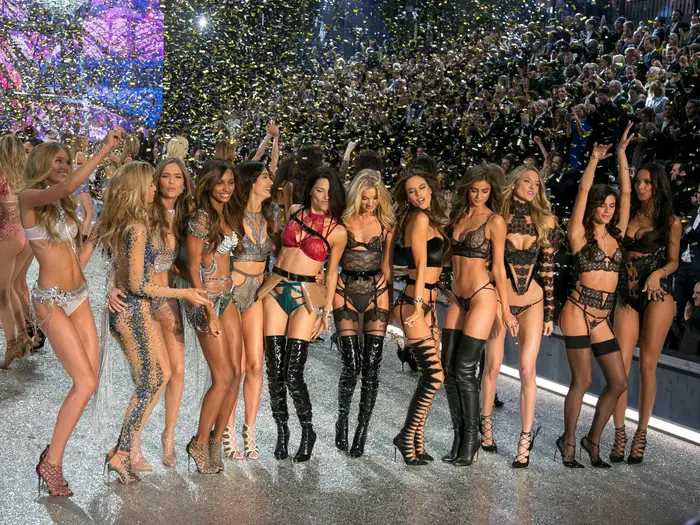
The Victoria’s Secret Journey: From Lingerie to Lifestyle

nightglow.info – Founded in 1977 by Roy Raymond, Victoria’s Secret began as a small store offering a unique shopping experience for men buying lingerie for their partners. The brand quickly became synonymous with glamour, romance, and indulgence, capturing the essence of feminine allure in its products and marketing strategies. Over the decades, Victoria’s Secret has evolved from a lingerie brand into a lifestyle phenomenon, influencing fashion, beauty, and culture worldwide.

The Rise of Victoria’s Secret

Victoria’s Secret’s initial success was rooted in its innovative retail approach. By creating a comfortable and inviting atmosphere for men, the company filled a niche in the market that was previously untapped. The brand’s catalog, launched in the 1980s, further expanded its reach, bringing its products into the homes of millions across America. The introduction of the Victoria’s Secret Fashion Show in 1995 marked another milestone, turning lingerie into a global spectacle and establishing the brand as a cultural icon.

Transition to Lifestyle Brand

By the early 2000s, Victoria’s Secret began diversifying its offerings beyond lingerie. The company introduced the PINK line in 2002, targeting younger consumers with casualwear and loungewear. This move was part of a broader strategy to position Victoria’s Secret as a comprehensive lifestyle brand. The expansion into beauty products, including perfumes and cosmetics, further solidified its place in the daily lives of its customers.

Challenges and Reinvention

Despite its dominance, Victoria’s Secret faced significant challenges in the 2010s. Changing consumer tastes, the rise of body-positive movements, and increased competition from new brands emphasizing inclusivity and diversity forced Victoria’s Secret to reevaluate its image and strategy. The brand responded by revamping its marketing approach, introducing more diverse models, and focusing on comfort and functionality in its product lines.

Conclusion

Victoria’s Secret’s journey from a lingerie store to a lifestyle brand reflects its adaptability and influence in the fashion industry. While the company continues to navigate a rapidly changing market, its legacy as a pioneer in creating a global brand identity remains undisputed. As Victoria’s Secret looks towards the future, it aims to balance its iconic image with the evolving needs and values of its customers, ensuring its place in the ever-changing landscape of fashion and lifestyle4.
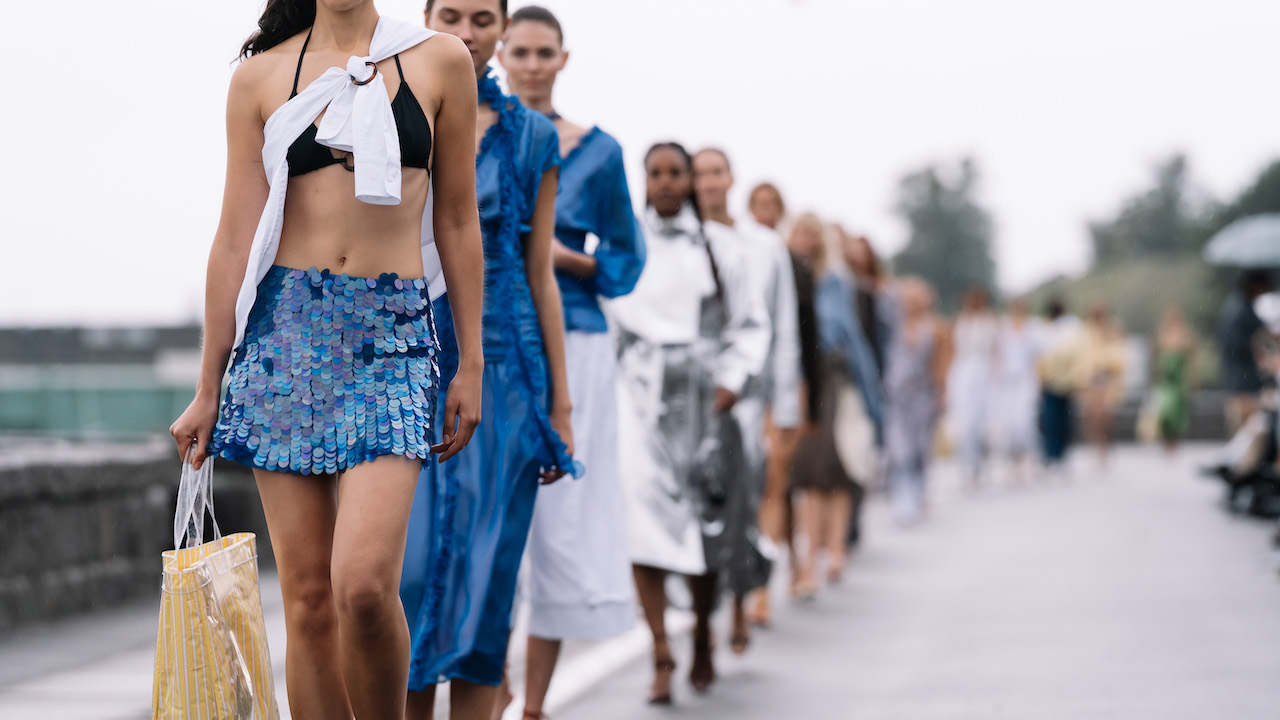

Bridging the Gap at Fashion Week: Street Style to Runway

nightglow.info – Fashion Week has long been the epicenter of high fashion, where designers showcase their latest collections, and industry insiders, celebrities, and fashion enthusiasts gather to witness the birth of new trends. However, in recent years, the streets outside these exclusive venues have become almost as influential as the runways themselves. The rise of street style photography has not only democratized fashion but also blurred the lines between what’s worn on the street and what’s presented on the runway. This phenomenon has led to a fascinating interplay between street style and runway fashion, bridging the gap between high fashion and everyday wear.

The Evolution of Street Style

Street style photography began as a niche interest, with pioneers like Bill Cunningham capturing the essence of New York City’s fashion-forward individuals. Today, it has become a global phenomenon, with photographers and bloggers flocking to Fashion Weeks in cities like New York, London, Paris, and Milan to document the sartorial choices of attendees. Social media platforms have amplified the reach of these images, turning street style stars into influencers and trendsetters.

From Runway to Street and Back

The influence of street style on runway fashion is undeniable. Designers are increasingly looking to the streets for inspiration, incorporating elements of streetwear and casual dressing into their collections. This shift reflects a broader cultural movement towards a more relaxed and inclusive approach to fashion, where the boundaries between high and low, luxury and street, are constantly being redefined.

Conversely, runway trends quickly make their way onto the streets, as fashion-forward individuals experiment with new silhouettes, colors, and textures. The cycle is continuous, with each season bringing fresh ideas that are rapidly absorbed and reinterpreted by the street style community.

Bridging the Gap

The gap between street style and runway fashion is being bridged in several ways:

  1. Collaborations: Designers are collaborating with streetwear brands, bringing high fashion aesthetics to a wider audience. These partnerships often result in collections that seamlessly blend the worlds of high fashion and street style.
  2. Social Media: Platforms like Instagram and TikTok have become powerful tools for both designers and street style stars to showcase their looks. This instant sharing of images and videos has accelerated the pace at which trends travel from the runway to the street and vice versa.
  3. Inclusive Casting: Fashion Weeks are increasingly featuring models who embody the diversity of street style, from different body types to various cultural backgrounds. This inclusivity reflects the real-world diversity seen on the streets and helps to make runway fashion more relatable.
  4. See-Now-Buy-Now: Some brands are adopting a see-now-buy-now model, allowing consumers to purchase runway looks immediately. This approach breaks down the traditional barriers between fashion weeks and the retail calendar, making high fashion more accessible and relevant to everyday life.

The Future of Fashion

As the lines between street style and runway fashion continue to blur, the future of fashion is likely to be more democratic, diverse, and responsive to the tastes and preferences of a global audience. Fashion Weeks will continue to be important events, but they will exist in a more fluid relationship with the street style that surrounds them.

In conclusion, the bridge between street style and runway fashion at Fashion Week is not just a physical space outside the venues; it’s a cultural phenomenon that reflects a changing fashion landscape. It’s a testament to the power of individual expression and the influence of the everyday fashion enthusiast. As we look to the future, it’s clear that the dialogue between the street and the runway will continue to shape the trends and tastes of tomorrow.

Mastering the Craft of Custom Clothes: The Art of Tailoring

In an era where fast fashion dominates the market, the art of tailoring stands as a testament to the enduring allure of bespoke elegance. Custom clothing is not just about the fit; it’s a personal statement, a canvas for individuality, and a celebration of craftsmanship. Mastering the craft of custom clothes is a journey that transcends mere fabric and stitching, delving into the realms of tradition, precision, and the intimate relationship between the tailor and the client.

The Foundation: Understanding the Client

The art of tailoring begins with a deep understanding of the client. It’s about listening to their needs, understanding their lifestyle, and interpreting their personal style. A skilled tailor doesn’t just measure the physical dimensions; they also gauge the nuances of personality and preference that will make the garment uniquely suited to the individual. This initial consultation is crucial, setting the stage for a bespoke journey that promises not just a perfect fit, but a perfect expression of self.

The Craft: From Fabric to Fit

Selecting the right fabric is akin to choosing the foundation of a masterpiece. The choice depends on various factors, including the occasion, the season, and, most importantly, the client’s personal taste. Once the fabric is chosen, the tailor begins the meticulous process of pattern drafting. This is where the tailor’s expertise truly shines, as they create a pattern that will not only fit the client’s measurements but also flatter their body shape.

The art of tailoring is as much about precision as it is about creativity. Every stitch, every seam, and every detail is carefully planned and executed with the utmost care. The process involves multiple fittings, each one bringing the garment closer to perfection. It’s during these fittings that the tailor adjusts, tweaks, and refines, ensuring that the final product not only fits like a second skin but also moves with the body, offering both comfort and style.

The Detail: The Mark of a Master Tailor

What sets a master tailor apart is their attention to detail. It’s in the finer points of the craft where true artistry is revealed. From the intricacies of hand stitching to the perfect placement of buttons and the choice of lining, every element is considered and executed with precision. These details not only enhance the aesthetic appeal of the garment but also contribute to its longevity and comfort.

The art of tailoring is also about innovation. While deeply rooted in tradition, the craft continues to evolve. Master tailors are always exploring new techniques, fabrics, and designs, all while maintaining the integrity of the bespoke experience. This blend of tradition and innovation ensures that the art of tailoring remains relevant and sought after in an ever-changing fashion landscape.

The Legacy: Beyond the Garment

A custom-tailored garment is more than just a piece of clothing; it’s a piece of the wearer’s identity, a reflection of their personality, and a testament to the skill and dedication of the tailor. It’s an investment in timeless style, quality, and the art of dressing well. The relationship between a tailor and their client is one of trust and collaboration, a partnership that often spans years, even decades.

In a world where mass production has become the norm, the art of tailoring offers a refreshing alternative. It’s a reminder of the value of craftsmanship, the importance of personal expression, and the joy of wearing something that is uniquely yours. Mastering the craft of custom clothes is not just about creating garments; it’s about creating memories, experiences, and a legacy that transcends time and trends.

In conclusion, the art of tailoring is a celebration of individuality, tradition, and innovation. It’s a craft that requires not just skill and precision but also a deep understanding of the client and a passion for the art of dressing well. As we navigate the fast-paced world of fashion, let us not forget the timeless allure of bespoke elegance and the master tailors who continue to craft it, one stitch at a time.