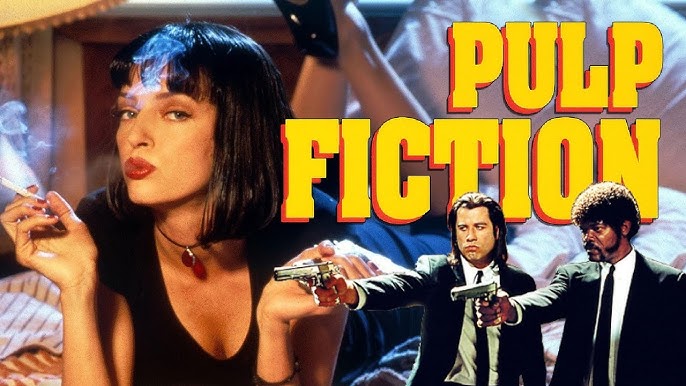
The Timeless Impact of Pulp Fiction

nightglow.info – “Pulp Fiction,” directed by Quentin Tarantino and released in 1994, is a film that has left an indelible mark on cinema. With its non-linear narrative structure, eclectic dialogue, and a mix of humor and violence, it continues to captivate audiences around the world. The film stars John Travolta, Samuel L. Jackson, Uma Thurman, and Bruce Willis, among others, and is renowned for its inventive storytelling and memorable characters.

Narrative Structure and Style

One of the most distinctive features of “Pulp Fiction” is its non-linear narrative. The film is divided into several interconnected stories, each focusing on different characters and events that overlap in unexpected ways. This unconventional structure not only challenges viewers to piece together the timeline but also enhances the film’s rewatchability as audiences discover new details with each viewing.

Tarantino’s stylistic choices, including his use of pop culture references and eclectic soundtrack, create a unique atmosphere that feels both familiar and innovative. The dialogue is sharp, witty, and often laced with dark humor, making it one of the most quoted films of all time.

Iconic Characters and Performances

The film’s ensemble cast delivers standout performances, breathing life into a diverse array of characters. John Travolta’s portrayal of Vincent Vega and Samuel L. Jackson’s portrayal of Jules Winnfield, two hitmen with philosophical inclinations, are particularly memorable. Their chemistry and banter have become iconic, with Jackson’s delivery of biblical verses before executing targets remaining a highlight.

Uma Thurman’s role as Mia Wallace, the enigmatic wife of crime boss Marsellus Wallace, is equally iconic. Her dance scene with Travolta to Chuck Berry’s “You Never Can Tell” is one of the film’s most enduring moments. Bruce Willis’s portrayal of Butch Coolidge, a boxer on the run after double-crossing Wallace, adds depth and tension to the narrative.

Cultural Impact and Legacy

Since its release, “Pulp Fiction” has garnered critical acclaim and a cult following. It won the Palme d’Or at the Cannes Film Festival and received multiple Academy Award nominations, including Best Picture. The film’s success also revitalized John Travolta’s career and solidified Tarantino’s reputation as a groundbreaking filmmaker.

“Pulp Fiction” has had a lasting influence on popular culture and the film industry. Its dialogue, style, and narrative techniques have inspired countless filmmakers and have been referenced in various media. The film’s ability to blend genres and push the boundaries of storytelling continues to resonate with audiences, making it a timeless classic.

Conclusion

“Pulp Fiction” remains a seminal work in the world of cinema, celebrated for its innovative narrative, memorable characters, and cultural impact. Quentin Tarantino’s masterpiece challenges conventional storytelling and offers a cinematic experience that is both entertaining and thought-provoking. Its legacy endures, reminding us of the power of film to captivate and inspire.
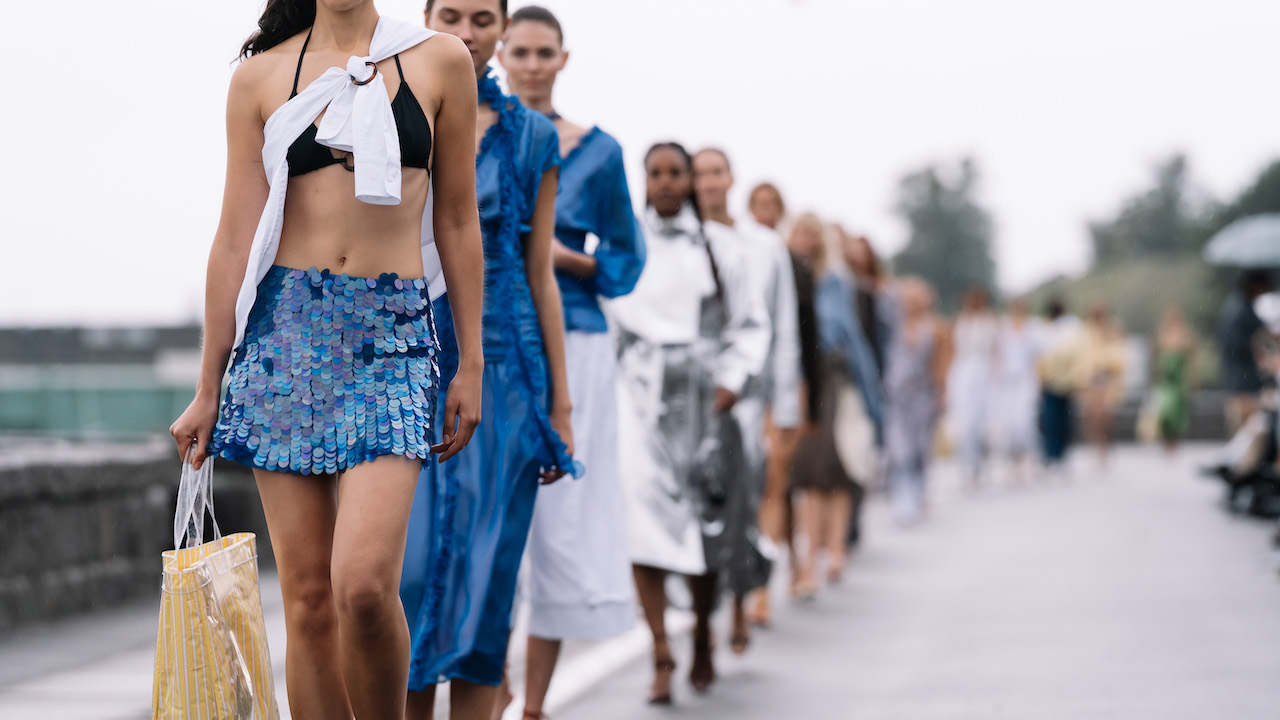
Bridging the Gap at Fashion Week: Street Style to Runway

nightglow.info – Fashion Week has long been the epicenter of high fashion, where designers showcase their latest collections, and industry insiders, celebrities, and fashion enthusiasts gather to witness the birth of new trends. However, in recent years, the streets outside these exclusive venues have become almost as influential as the runways themselves. The rise of street style photography has not only democratized fashion but also blurred the lines between what’s worn on the street and what’s presented on the runway. This phenomenon has led to a fascinating interplay between street style and runway fashion, bridging the gap between high fashion and everyday wear.

The Evolution of Street Style

Street style photography began as a niche interest, with pioneers like Bill Cunningham capturing the essence of New York City’s fashion-forward individuals. Today, it has become a global phenomenon, with photographers and bloggers flocking to Fashion Weeks in cities like New York, London, Paris, and Milan to document the sartorial choices of attendees. Social media platforms have amplified the reach of these images, turning street style stars into influencers and trendsetters.

From Runway to Street and Back

The influence of street style on runway fashion is undeniable. Designers are increasingly looking to the streets for inspiration, incorporating elements of streetwear and casual dressing into their collections. This shift reflects a broader cultural movement towards a more relaxed and inclusive approach to fashion, where the boundaries between high and low, luxury and street, are constantly being redefined.

Conversely, runway trends quickly make their way onto the streets, as fashion-forward individuals experiment with new silhouettes, colors, and textures. The cycle is continuous, with each season bringing fresh ideas that are rapidly absorbed and reinterpreted by the street style community.

Bridging the Gap

The gap between street style and runway fashion is being bridged in several ways:

  1. Collaborations: Designers are collaborating with streetwear brands, bringing high fashion aesthetics to a wider audience. These partnerships often result in collections that seamlessly blend the worlds of high fashion and street style.
  2. Social Media: Platforms like Instagram and TikTok have become powerful tools for both designers and street style stars to showcase their looks. This instant sharing of images and videos has accelerated the pace at which trends travel from the runway to the street and vice versa.
  3. Inclusive Casting: Fashion Weeks are increasingly featuring models who embody the diversity of street style, from different body types to various cultural backgrounds. This inclusivity reflects the real-world diversity seen on the streets and helps to make runway fashion more relatable.
  4. See-Now-Buy-Now: Some brands are adopting a see-now-buy-now model, allowing consumers to purchase runway looks immediately. This approach breaks down the traditional barriers between fashion weeks and the retail calendar, making high fashion more accessible and relevant to everyday life.

The Future of Fashion

As the lines between street style and runway fashion continue to blur, the future of fashion is likely to be more democratic, diverse, and responsive to the tastes and preferences of a global audience. Fashion Weeks will continue to be important events, but they will exist in a more fluid relationship with the street style that surrounds them.

In conclusion, the bridge between street style and runway fashion at Fashion Week is not just a physical space outside the venues; it’s a cultural phenomenon that reflects a changing fashion landscape. It’s a testament to the power of individual expression and the influence of the everyday fashion enthusiast. As we look to the future, it’s clear that the dialogue between the street and the runway will continue to shape the trends and tastes of tomorrow.