Houston’s Art Scene: A Canvas of Creativity

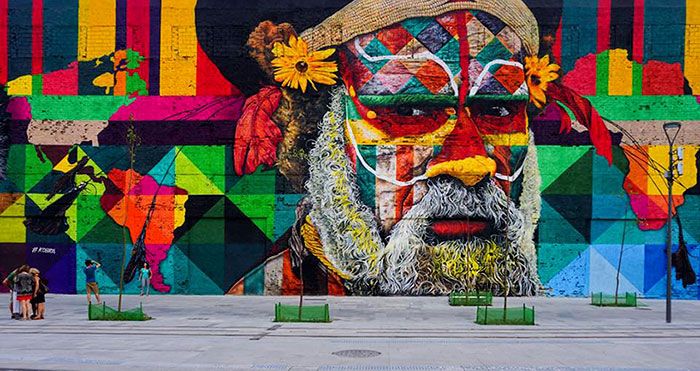
nightglow.info – Houston, Texas, often recognized for its space exploration, energy industry, and diverse culinary landscape, is also home to a vibrant and ever-growing art scene. Often described as a hidden gem, Houston’s art community is a fusion of creativity, innovation, and cultural diversity. From world-class museums to dynamic street art, the city’s art scene is a testament to the creative spirit that thrives in this sprawling metropolis.

A Rich Tapestry of Art Institutions

Houston boasts an impressive array of art institutions that cater to every taste and interest. The Museum District is home to the renowned Museum of Fine Arts, Houston, which houses an expansive collection of over 70,000 works spanning from ancient to modern times. The Menil Collection, another cornerstone of Houston’s art scene, offers an intimate setting to explore a diverse range of art, including surrealist works and contemporary exhibitions.

Nurturing Local Talent

Beyond the traditional institutions, Houston is a nurturing ground for local artists and creatives. Organizations like Project Row Houses in the historic Third Ward community are dedicated to empowering artists and fostering creativity through innovative public art projects and exhibitions. This community-based art collective has become a model for how art can be used as a tool for social transformation and community engagement.

A Hub for Public and Street Art

Houston’s streets are a canvas for bold and expressive street art, with colorful murals adorning neighborhoods across the city. The iconic Houston Graffiti Building is a favorite spot for both local and international street artists to showcase their work. Each mural tells a story, often reflecting the cultural and social issues relevant to the community.

Festivals and Events

The city’s art scene is further energized by numerous festivals and events that celebrate creativity in all its forms. The Bayou City Art Festival, one of the nation’s premier outdoor fine art festivals, attracts artists and art lovers from around the world. Meanwhile, the Houston Art Car Parade, the largest of its kind, showcases the city’s whimsical and imaginative spirit, with art cars parading through the streets in a spectacle of creativity.

Conclusion

Houston’s art scene is a dynamic and inclusive space that celebrates diversity and creativity. Whether you’re a seasoned art aficionado or a curious newcomer, Houston offers a rich tapestry of artistic experiences that are sure to inspire and delight. As the city continues to grow and evolve, so too does its art scene, solidifying Houston’s place as a major cultural hub in the United States.
Crafting Traditions from the Heart of Fiji: Island Arts

nightglow.info – Nestled in the South Pacific, Fiji is a tropical paradise known for its pristine beaches, vibrant coral reefs, and lush rainforests. However, beyond its natural beauty, Fiji is home to a rich tapestry of cultural traditions, with art and craftsmanship that have been passed down through generations. These island arts are not just expressions of creativity; they are a reflection of the Fijian way of life, embodying the values, history, and spiritual beliefs of the indigenous people.

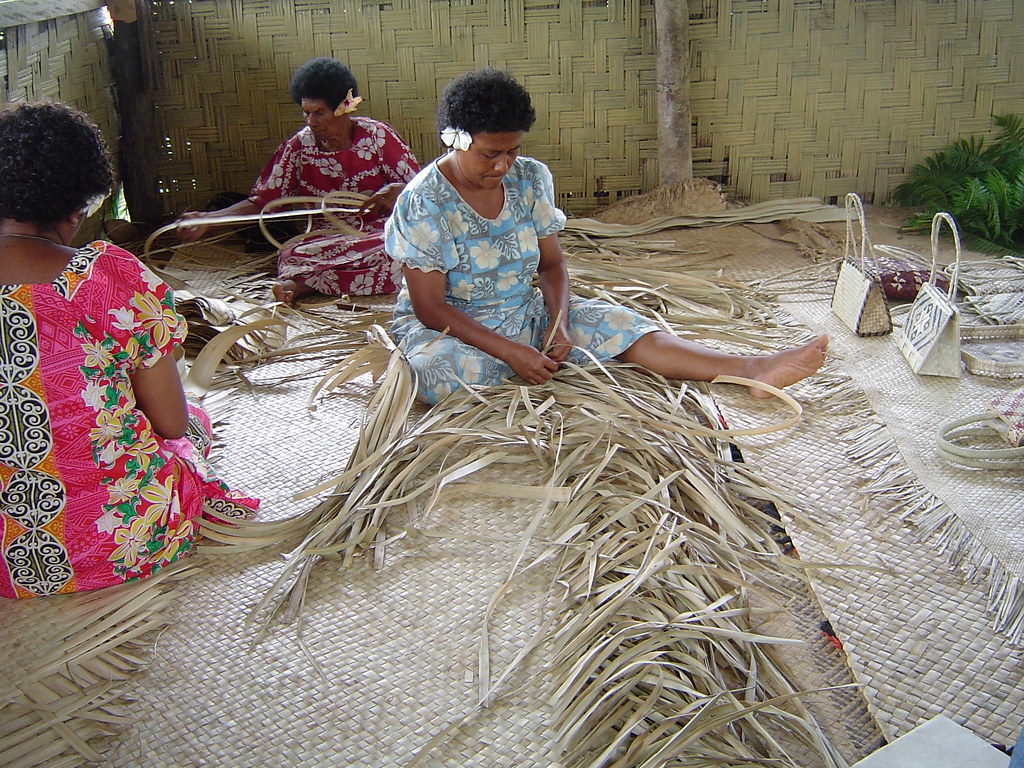
The heart of Fijian art lies in its craftsmanship, which is deeply rooted in the daily life of the community. From the intricate weaving of mats and baskets to the carving of wooden canoes and ceremonial masks, Fijian crafts are both functional and symbolic. Each piece tells a story, often linked to the land, the sea, and the ancestors.

One of the most revered crafts in Fiji is the making of masi, or tapa cloth. This traditional bark cloth is made from the inner bark of the paper mulberry tree, which is harvested, beaten, and sun-dried to create a durable fabric. Masi is then decorated with elaborate designs using natural dyes, often depicting traditional motifs that carry cultural significance. The process of making masi is labor-intensive and requires skill and patience, making each piece a unique work of art.

Another significant craft is the weaving of pandanus mats, known as ‘ie in Fijian. These mats are not only used for sitting and sleeping but also play a crucial role in ceremonies and are often given as gifts. The weaving process involves collecting leaves from the pandanus tree, which are then split, dyed, and woven into intricate patterns. The skill of the weaver is evident in the complexity and beauty of the finished mats.

Wood carving is another hallmark of Fijian art, with carvers creating everything from small figurines to large ceremonial drums and canoes. The art of carving is learned from a young age, with apprentices working alongside master carvers to learn the techniques and stories behind each design. The carvings often depict traditional Fijian myths and legends, as well as flora and fauna native to the islands.

The pottery of Fiji is also noteworthy, with potters creating utilitarian and ceremonial vessels using clay sourced from the islands. The pots are decorated with patterns that reflect the potter’s individual style and the cultural heritage of their village.

The preservation of these crafts is essential to maintaining the cultural identity of Fiji. The Fijian government and various non-governmental organizations have recognized the importance of these traditions and have taken steps to support and promote the work of local artisans. This includes providing training and resources, as well as creating markets for their products both locally and internationally.

Tourism has also played a significant role in the revival of Fijian crafts. Visitors to the islands are often captivated by the beauty and significance of these traditional arts, and many choose to purchase items as souvenirs or gifts. This has provided a valuable source of income for artisans and has helped to ensure the survival of these crafts.

In conclusion, the island arts of Fiji are more than just crafts; they are a living legacy of the Fijian people. They represent a connection to the past, a celebration of the present, and a hope for the future. As these traditions continue to evolve, they remain a testament to the resilience and creativity of the Fijian culture, crafting a heritage that is as enduring as the islands themselves.

Writers on the Art of Solitude: The Solitary Craft

nightglow.info – In the bustling world that thrives on connectivity and constant interaction, the act of solitude has become an increasingly rare commodity. Yet, for writers, solitude is not merely a luxury but a necessity—a vital ingredient in the alchemy of creativity. The solitary craft of writing is a journey into the depths of the mind, a space where ideas are born, nurtured, and eventually transformed into the written word. This article delves into the art of solitude as practiced by writers, exploring its significance, challenges, and the unique insights it offers into the creative process.

The Essence of Solitude

Solitude, in its purest form, is the state of being alone without being lonely. It is a deliberate choice to withdraw from the external world to engage deeply with one’s inner landscape. For writers, this state is not just a means to an end but an end in itself. It is in solitude that writers find the clarity and focus to listen to their thoughts, to observe the subtleties of their emotions, and to weave these into narratives that resonate with the human experience.

The Creative Process

The creative process is inherently solitary. It demands a level of introspection that can only be achieved in isolation. Writers often speak of the muse that visits them in moments of quiet contemplation, whispering stories and characters into their consciousness. This muse is not a mythical creature but a manifestation of the writer’s subconscious, liberated in solitude to collaborate with the conscious mind in the act of creation.

Challenges of Solitude

While solitude is a fertile ground for creativity, it is not without its challenges. The solitary nature of writing can lead to feelings of isolation and self-doubt. The absence of immediate feedback can be daunting, leaving writers to grapple with their insecurities in silence. Moreover, in a society that glorifies busyness, the choice to spend extended periods alone can be misunderstood or stigmatized.

Embracing Solitude

To thrive in solitude, writers must cultivate a relationship with their inner world. This involves developing a routine that balances social interaction with periods of seclusion, creating a physical space conducive to contemplation, and nurturing practices that foster mental well-being, such as meditation or journaling. By embracing solitude, writers not only enhance their creative output but also discover a deeper understanding of themselves and the world around them.

The Rewards of Solitude

The rewards of solitude are manifold. It is in solitude that writers find the courage to explore the complexities of the human condition, to challenge societal norms, and to articulate the unspoken truths that resonate with readers. Solitude also offers a respite from the noise of the external world, allowing writers to recharge and return to their lives and work with renewed vigor and perspective.

Conclusion

The solitary craft of writing is a testament to the power of solitude in the creative process. It is a reminder that amidst the chaos of life, there exists a sanctuary within ourselves—a place of profound insight and boundless creativity. For writers, solitude is not a barrier to connection but a bridge to the universal experiences that unite us all. In embracing the art of solitude, writers not only enrich their own lives but also contribute to the collective tapestry of human stories, one solitary word at a time.

Mastering the Craft of Custom Clothes: The Art of Tailoring

In an era where fast fashion dominates the market, the art of tailoring stands as a testament to the enduring allure of bespoke elegance. Custom clothing is not just about the fit; it’s a personal statement, a canvas for individuality, and a celebration of craftsmanship. Mastering the craft of custom clothes is a journey that transcends mere fabric and stitching, delving into the realms of tradition, precision, and the intimate relationship between the tailor and the client.

The Foundation: Understanding the Client

The art of tailoring begins with a deep understanding of the client. It’s about listening to their needs, understanding their lifestyle, and interpreting their personal style. A skilled tailor doesn’t just measure the physical dimensions; they also gauge the nuances of personality and preference that will make the garment uniquely suited to the individual. This initial consultation is crucial, setting the stage for a bespoke journey that promises not just a perfect fit, but a perfect expression of self.

The Craft: From Fabric to Fit

Selecting the right fabric is akin to choosing the foundation of a masterpiece. The choice depends on various factors, including the occasion, the season, and, most importantly, the client’s personal taste. Once the fabric is chosen, the tailor begins the meticulous process of pattern drafting. This is where the tailor’s expertise truly shines, as they create a pattern that will not only fit the client’s measurements but also flatter their body shape.

The art of tailoring is as much about precision as it is about creativity. Every stitch, every seam, and every detail is carefully planned and executed with the utmost care. The process involves multiple fittings, each one bringing the garment closer to perfection. It’s during these fittings that the tailor adjusts, tweaks, and refines, ensuring that the final product not only fits like a second skin but also moves with the body, offering both comfort and style.

The Detail: The Mark of a Master Tailor

What sets a master tailor apart is their attention to detail. It’s in the finer points of the craft where true artistry is revealed. From the intricacies of hand stitching to the perfect placement of buttons and the choice of lining, every element is considered and executed with precision. These details not only enhance the aesthetic appeal of the garment but also contribute to its longevity and comfort.

The art of tailoring is also about innovation. While deeply rooted in tradition, the craft continues to evolve. Master tailors are always exploring new techniques, fabrics, and designs, all while maintaining the integrity of the bespoke experience. This blend of tradition and innovation ensures that the art of tailoring remains relevant and sought after in an ever-changing fashion landscape.

The Legacy: Beyond the Garment

A custom-tailored garment is more than just a piece of clothing; it’s a piece of the wearer’s identity, a reflection of their personality, and a testament to the skill and dedication of the tailor. It’s an investment in timeless style, quality, and the art of dressing well. The relationship between a tailor and their client is one of trust and collaboration, a partnership that often spans years, even decades.

In a world where mass production has become the norm, the art of tailoring offers a refreshing alternative. It’s a reminder of the value of craftsmanship, the importance of personal expression, and the joy of wearing something that is uniquely yours. Mastering the craft of custom clothes is not just about creating garments; it’s about creating memories, experiences, and a legacy that transcends time and trends.

In conclusion, the art of tailoring is a celebration of individuality, tradition, and innovation. It’s a craft that requires not just skill and precision but also a deep understanding of the client and a passion for the art of dressing well. As we navigate the fast-paced world of fashion, let us not forget the timeless allure of bespoke elegance and the master tailors who continue to craft it, one stitch at a time.