Hovedstaden: The Vibrant Heart of Denmark

nightglow.info – Hovedstaden, or the Capital Region of Denmark, is a dynamic and diverse region that encapsulates the very essence of Denmark. As the country’s political, economic, and cultural hub, it boasts a rich history, stunning architecture, world-class museums, and a thriving arts scene.

Copenhagen: The Crown Jewel of Scandinavia

At the heart of Hovedstaden lies Copenhagen, a city that seamlessly blends old-world charm with modern sophistication. Its picturesque canals, historic buildings, and vibrant neighborhoods create an unforgettable atmosphere.

  • Nyhavn: This colorful harbor is a popular tourist destination, lined with brightly painted 17th-century townhouses and bustling with boats and cafes.
  • Amalienborg Palace: The winter residence of the Danish royal family, this elegant palace complex is a sight to behold.
  • Tivoli Gardens: One of the world’s oldest amusement parks, Tivoli offers thrilling rides, beautiful gardens, and enchanting entertainment.
  • Rosenborg Castle: This Renaissance castle houses the Danish Crown Jewels and offers a glimpse into the history of the Danish monarchy.

Beyond Copenhagen: Exploring the Region

While Copenhagen is undoubtedly the star attraction, Hovedstaden has much more to offer. The region is home to several charming towns and villages, each with its own unique character.

  • Helsingør: Known for its historic Kronborg Castle, the inspiration for Shakespeare’s “Hamlet.”
  • Roskilde: A historic city with a beautiful cathedral and Viking Ship Museum.
  • Frederiksborg Castle: A magnificent Renaissance castle surrounded by stunning gardens.
  • Bornholm: A picturesque island in the Baltic Sea, known for its stunning beaches, charming villages, and unique rock formations.

A Hub of Innovation and Sustainability

Hovedstaden is not only a cultural and historical gem but also a thriving center for innovation and sustainability. The region is home to world-renowned universities, research institutions, and cutting-edge technology companies. Copenhagen is particularly known for its commitment to sustainable urban development and green initiatives.

A Culinary Delight

Danish cuisine is renowned for its simplicity and emphasis on fresh, high-quality ingredients. Hovedstaden offers a diverse culinary scene, from Michelin-starred restaurants to cozy local eateries. Be sure to try traditional Danish dishes like smørrebrød (open-faced sandwiches), rødgrød med fløde (red berry porridge with cream), and wienerbrød (Danish pastries).

A Warm Welcome

The people of Hovedstaden are known for their friendliness and hospitality. Whether you’re exploring the city’s historic sights, indulging in its culinary delights, or simply enjoying a leisurely stroll, you’ll be sure to experience the warmth and charm of Danish culture.

Black Widow: The Spy with a Heart – Origins of a Spy

nightglow.info – Black Widow, also known as Natasha Romanoff, is a name that resonates with intrigue, skill, and compassion. As one of the most compelling characters in the Marvel Universe, she embodies the duality of a fierce warrior and a compassionate ally. Her journey from a trained assassin to a superhero with a heart of gold is a testament to her complexity and depth.

Origins of a Spy

Natasha Romanoff was born into a world of espionage and danger. Raised in the Black Widow Program of the Soviet Union, she was trained to be an elite spy and assassin. The program honed her skills in combat, infiltration, and manipulation, making her one of the most formidable agents in the world. Her past is shrouded in mystery, with many layers yet to be uncovered.

Transformation and Redemption

Despite her dark origins, Natasha’s story is one of redemption and transformation. Her defection to S.H.I.E.L.D., the international peacekeeping agency, marked a turning point in her life. Under the guidance of Nick Fury and alongside her fellow Avengers, she found a new purpose: to protect the world from threats beyond its understanding. This shift in allegiance is not just a change of sides, but a profound transformation of character.

The Heart of a Hero

Natasha’s journey is characterized by her unwavering loyalty and compassion. She is not just a spy; she is a friend and a mentor. Her relationships with her fellow Avengers, particularly her close bond with Hawkeye, showcase her ability to form deep connections despite her solitary past. Natasha’s willingness to make the ultimate sacrifice for her friends in “Avengers: Endgame” highlights her commitment to the greater good.

Legacy and Impact

Black Widow’s impact extends beyond her fictional universe. She has become a symbol of strength and resilience for many fans around the world. Her story challenges the notion of predetermined paths, showing that it is never too late to change and make amends. Her legacy continues to inspire new generations, both in comic books and on the big screen.

Conclusion

“Black Widow: The Spy with a Heart” is not just a tale of espionage and action; it is a story of redemption, transformation, and humanity. Natasha Romanoff’s journey from a trained assassin to a hero with a heart of gold is a powerful narrative that resonates with audiences worldwide. Her legacy as a spy and a hero will continue to inspire for years to come.

Crafting Traditions from the Heart of Fiji: Island Arts

nightglow.info – Nestled in the South Pacific, Fiji is a tropical paradise known for its pristine beaches, vibrant coral reefs, and lush rainforests. However, beyond its natural beauty, Fiji is home to a rich tapestry of cultural traditions, with art and craftsmanship that have been passed down through generations. These island arts are not just expressions of creativity; they are a reflection of the Fijian way of life, embodying the values, history, and spiritual beliefs of the indigenous people.

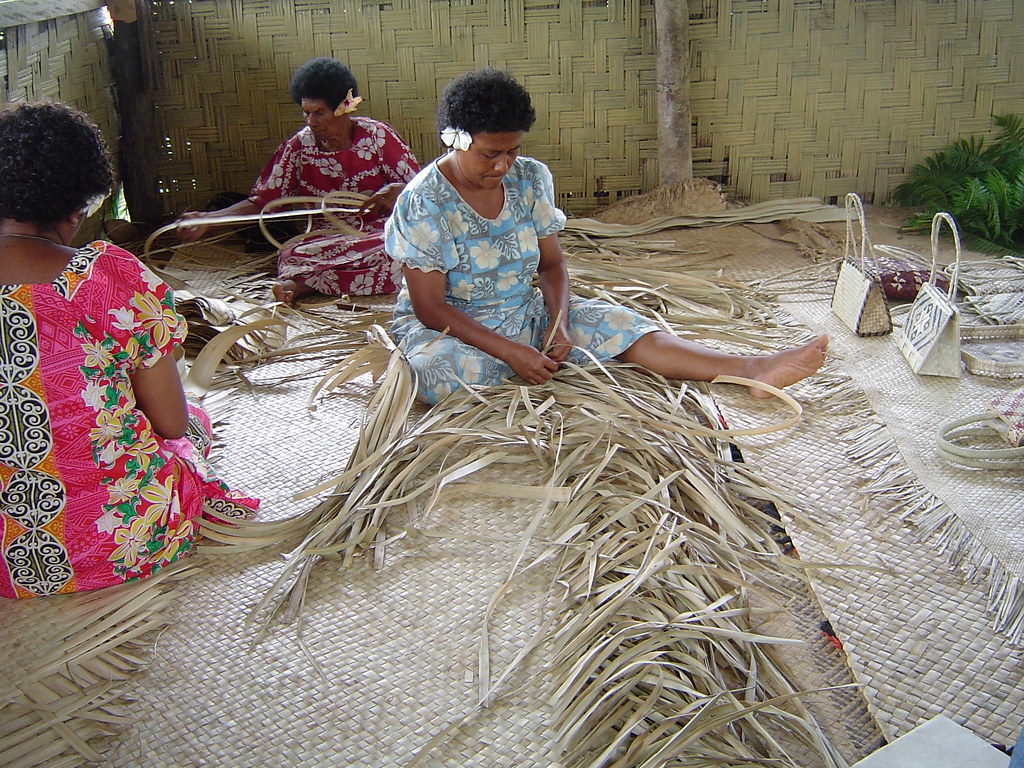
The heart of Fijian art lies in its craftsmanship, which is deeply rooted in the daily life of the community. From the intricate weaving of mats and baskets to the carving of wooden canoes and ceremonial masks, Fijian crafts are both functional and symbolic. Each piece tells a story, often linked to the land, the sea, and the ancestors.

One of the most revered crafts in Fiji is the making of masi, or tapa cloth. This traditional bark cloth is made from the inner bark of the paper mulberry tree, which is harvested, beaten, and sun-dried to create a durable fabric. Masi is then decorated with elaborate designs using natural dyes, often depicting traditional motifs that carry cultural significance. The process of making masi is labor-intensive and requires skill and patience, making each piece a unique work of art.

Another significant craft is the weaving of pandanus mats, known as ‘ie in Fijian. These mats are not only used for sitting and sleeping but also play a crucial role in ceremonies and are often given as gifts. The weaving process involves collecting leaves from the pandanus tree, which are then split, dyed, and woven into intricate patterns. The skill of the weaver is evident in the complexity and beauty of the finished mats.

Wood carving is another hallmark of Fijian art, with carvers creating everything from small figurines to large ceremonial drums and canoes. The art of carving is learned from a young age, with apprentices working alongside master carvers to learn the techniques and stories behind each design. The carvings often depict traditional Fijian myths and legends, as well as flora and fauna native to the islands.

The pottery of Fiji is also noteworthy, with potters creating utilitarian and ceremonial vessels using clay sourced from the islands. The pots are decorated with patterns that reflect the potter’s individual style and the cultural heritage of their village.

The preservation of these crafts is essential to maintaining the cultural identity of Fiji. The Fijian government and various non-governmental organizations have recognized the importance of these traditions and have taken steps to support and promote the work of local artisans. This includes providing training and resources, as well as creating markets for their products both locally and internationally.

Tourism has also played a significant role in the revival of Fijian crafts. Visitors to the islands are often captivated by the beauty and significance of these traditional arts, and many choose to purchase items as souvenirs or gifts. This has provided a valuable source of income for artisans and has helped to ensure the survival of these crafts.

In conclusion, the island arts of Fiji are more than just crafts; they are a living legacy of the Fijian people. They represent a connection to the past, a celebration of the present, and a hope for the future. As these traditions continue to evolve, they remain a testament to the resilience and creativity of the Fijian culture, crafting a heritage that is as enduring as the islands themselves.

The Heart of Royal Hospitality: Palace Kitchens

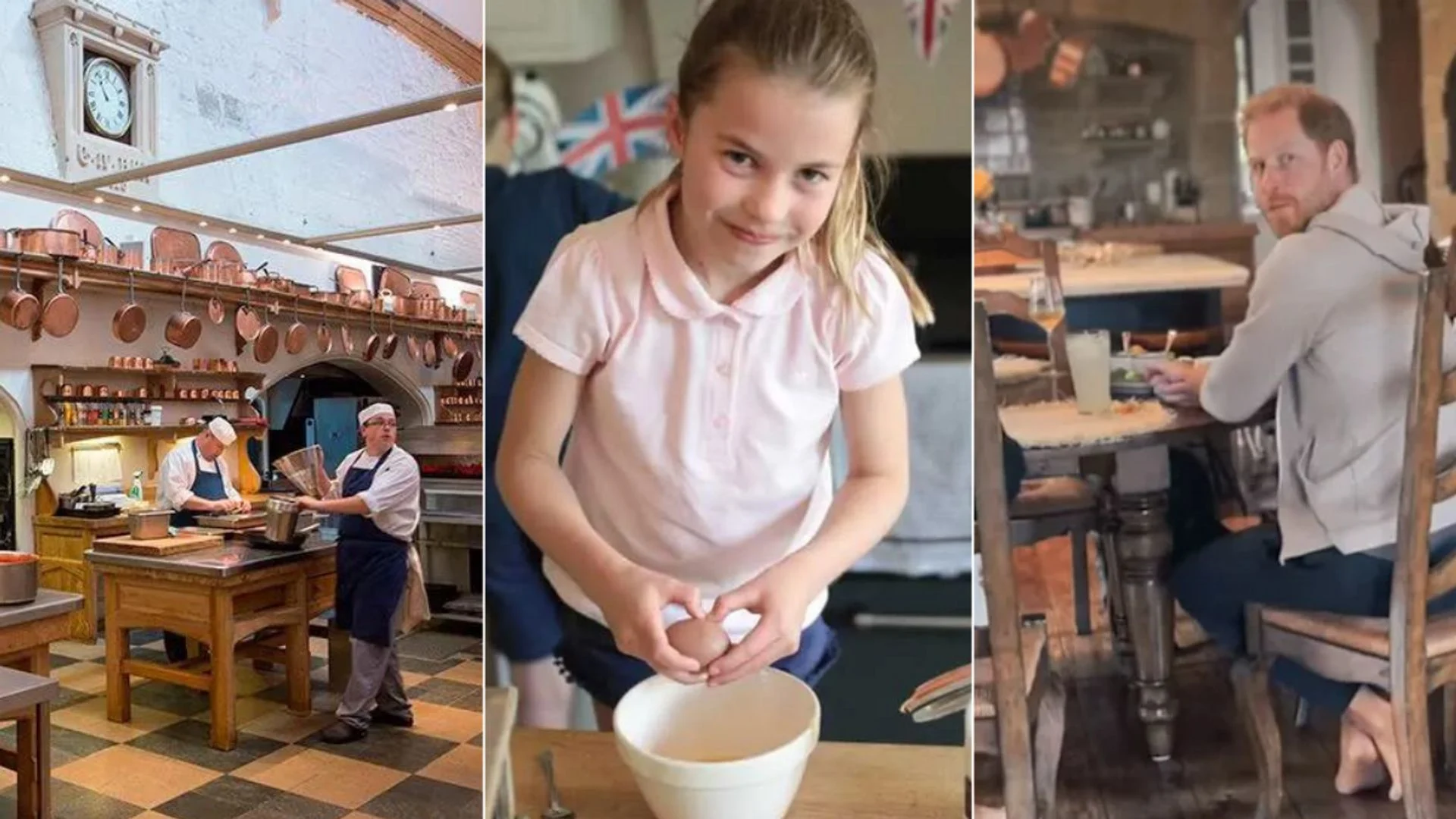
nightglow.info – The palace kitchen, a bustling hub of culinary creativity and precision, has been the heart of royal hospitality for centuries. These kitchens, often sprawling in size and rich in history, are where the finest ingredients are transformed into exquisite dishes that grace the tables of royalty and their esteemed guests. From the grandeur of Versailles to the elegance of Buckingham Palace, the palace kitchen stands as a testament to the art of royal entertaining.

A Glimpse into the Past

Historically, palace kitchens were vast, multi-roomed spaces equipped to handle the demands of feeding hundreds of people. The kitchens of the Tudor era, for example, were complex operations with separate areas for baking, brewing, and butchery. The cooks, under the command of the Lord Steward, worked tirelessly to prepare sumptuous feasts that reflected the wealth and power of the monarchy.

The French royal kitchens, particularly those at the Palace of Versailles, were equally impressive. They were designed to cater to the opulent lifestyle of the Sun King, Louis XIV, and his court. The kitchens were a marvel of efficiency, with an intricate system of preparation areas, ovens, and spits, all overseen by a hierarchy of chefs and assistants.

The Art of Royal Cuisine

The cuisine prepared in palace kitchens is a blend of tradition and innovation. Chefs are tasked with creating dishes that not only delight the palate but also reflect the cultural heritage and status of the royal family. The menus are often a showcase of the finest seasonal ingredients, prepared with meticulous attention to detail.

One of the most iconic royal dishes is the Baked Alaska, which is said to have been created in 1867 to celebrate the United States’ purchase of Alaska from Russia. This dessert, with its frozen interior and flaming meringue exterior, symbolizes the cold climate of Alaska and the warmth of the United States. It has since become a staple in royal kitchens around the world.

The Role of the Royal Chef

The royal chef is a culinary artist whose skill and creativity are on display at every state banquet, garden party, and royal wedding. The role requires not only exceptional cooking skills but also the ability to manage a large team and adhere to the strict protocols of royal service.

The royal chef must also be adept at tailoring menus to the tastes and dietary requirements of the royal family and their guests. This often involves a delicate balance of tradition and modernity, ensuring that the dishes served are both authentic and innovative.

Modern Royal Kitchens

Today, royal kitchens continue to evolve with the times. While they still retain the grandeur and tradition of the past, they are now equipped with the latest culinary technology. This allows chefs to prepare dishes with even greater precision and efficiency.

The kitchens of Buckingham Palace, for example, have been modernized to meet the needs of contemporary royal entertaining. Yet, they still maintain the charm and history of their predecessors, serving as a bridge between the past and the present.

Conclusion

Palace kitchens are more than just culinary workspaces; they are the heart of royal hospitality. They are where tradition and innovation meet, where the finest ingredients are transformed into masterpieces of gastronomy, and where the art of royal entertaining is practiced with passion and precision. As long as there are royals to entertain, the palace kitchen will continue to be a place of creativity, excellence, and the warmth of hospitality.