The Wedding Ceremony: Crafting a Personal & Meaningful Service

nightglow.info – A wedding ceremony is more than just a ritual; it’s a deeply personal and significant event that marks the beginning of a new chapter in the lives of two individuals. Crafting a ceremony that reflects the couple’s unique love story, values, and aspirations is essential for making the day truly memorable. This article will guide you through the process of creating a personalized and meaningful wedding ceremony.

Understanding the Elements of a Wedding Ceremony

Before diving into personalization, it’s crucial to understand the traditional elements of a wedding ceremony. These typically include the processional, welcome and opening remarks, readings or rituals, vows, exchange of rings, declaration of marriage, and recessional. Each element can be customized to suit the couple’s preferences.

Personalizing the Processional

The processional sets the tone for the ceremony. Couples can choose music that holds personal significance or select a unique entrance that reflects their personalities. Whether it’s a traditional march or an upbeat tune, the processional should make a statement.

Crafting Meaningful Vows

Vows are the heart of the ceremony. Encourage the couple to write their own vows, allowing them to express their love and commitment in their own words. This not only makes the ceremony more personal but also strengthens their bond.

Incorporating Personal Touches

Incorporating personal touches can make the ceremony even more special. This could include readings by loved ones, the inclusion of cultural traditions, or the performance of a song or poem that has meaning to the couple.

Choosing Symbolic Rituals

Symbolic rituals can add depth to the ceremony. Options include the unity candle, sand ceremony, or the mixing of ashes from a loved one’s cremation into the soil of a potted plant. Each ritual should be carefully chosen to represent the couple’s journey and future together.

The Importance of the Officiant

The officiant plays a crucial role in the ceremony. They should be someone who knows the couple well and can deliver a personalized message that resonates with them and their guests. The officiant’s delivery and presence can greatly enhance the overall experience.

Conclusion

Crafting a personalized and meaningful wedding ceremony requires thought, creativity, and a deep understanding of the couple’s relationship. By focusing on the elements that truly matter to them, couples can create a ceremony that is not only a celebration of their love but also a reflection of their unique journey together. Remember, the most important aspect of any wedding ceremony is the commitment being made between two individuals. With careful planning and personal touches, any couple can create a ceremony that they will cherish for a lifetime.
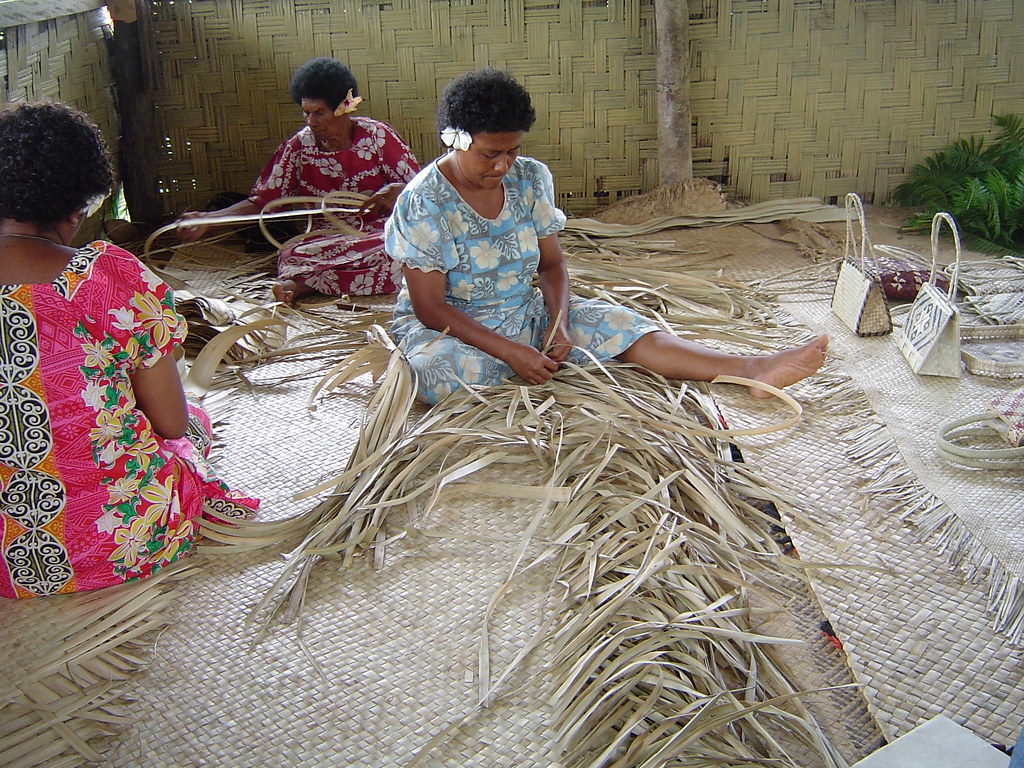

Crafting Traditions from the Heart of Fiji: Island Arts

nightglow.info – Nestled in the South Pacific, Fiji is a tropical paradise known for its pristine beaches, vibrant coral reefs, and lush rainforests. However, beyond its natural beauty, Fiji is home to a rich tapestry of cultural traditions, with art and craftsmanship that have been passed down through generations. These island arts are not just expressions of creativity; they are a reflection of the Fijian way of life, embodying the values, history, and spiritual beliefs of the indigenous people.

The heart of Fijian art lies in its craftsmanship, which is deeply rooted in the daily life of the community. From the intricate weaving of mats and baskets to the carving of wooden canoes and ceremonial masks, Fijian crafts are both functional and symbolic. Each piece tells a story, often linked to the land, the sea, and the ancestors.

One of the most revered crafts in Fiji is the making of masi, or tapa cloth. This traditional bark cloth is made from the inner bark of the paper mulberry tree, which is harvested, beaten, and sun-dried to create a durable fabric. Masi is then decorated with elaborate designs using natural dyes, often depicting traditional motifs that carry cultural significance. The process of making masi is labor-intensive and requires skill and patience, making each piece a unique work of art.

Another significant craft is the weaving of pandanus mats, known as ‘ie in Fijian. These mats are not only used for sitting and sleeping but also play a crucial role in ceremonies and are often given as gifts. The weaving process involves collecting leaves from the pandanus tree, which are then split, dyed, and woven into intricate patterns. The skill of the weaver is evident in the complexity and beauty of the finished mats.

Wood carving is another hallmark of Fijian art, with carvers creating everything from small figurines to large ceremonial drums and canoes. The art of carving is learned from a young age, with apprentices working alongside master carvers to learn the techniques and stories behind each design. The carvings often depict traditional Fijian myths and legends, as well as flora and fauna native to the islands.

The pottery of Fiji is also noteworthy, with potters creating utilitarian and ceremonial vessels using clay sourced from the islands. The pots are decorated with patterns that reflect the potter’s individual style and the cultural heritage of their village.

The preservation of these crafts is essential to maintaining the cultural identity of Fiji. The Fijian government and various non-governmental organizations have recognized the importance of these traditions and have taken steps to support and promote the work of local artisans. This includes providing training and resources, as well as creating markets for their products both locally and internationally.

Tourism has also played a significant role in the revival of Fijian crafts. Visitors to the islands are often captivated by the beauty and significance of these traditional arts, and many choose to purchase items as souvenirs or gifts. This has provided a valuable source of income for artisans and has helped to ensure the survival of these crafts.

In conclusion, the island arts of Fiji are more than just crafts; they are a living legacy of the Fijian people. They represent a connection to the past, a celebration of the present, and a hope for the future. As these traditions continue to evolve, they remain a testament to the resilience and creativity of the Fijian culture, crafting a heritage that is as enduring as the islands themselves.

Crafting Luxury Since 1837: The Hermès Heritage

nightglow.info – In the world of luxury goods, few names resonate with the same level of prestige and craftsmanship as Hermès. Founded in 1837 by Thierry Hermès, the French house has evolved from a purveyor of fine harnesses and bridles into a global symbol of elegance, quality, and exclusivity. The Hermès heritage is not just a testament to its longevity but also to its unwavering commitment to crafting luxury items that stand the test of time.

The story of Hermès begins in the heart of Paris, where Thierry Hermès opened his first shop, specializing in saddlery for Europe’s elite. His passion for leatherwork and his dedication to excellence quickly established Hermès as a supplier to the Emperor Napoleon III and other royal families across Europe. This early recognition of the brand’s quality and craftsmanship set the stage for what was to become a legacy of luxury.

As the years progressed, Hermès expanded its repertoire beyond equestrian gear to include a variety of leather goods. The introduction of the iconic Kelly bag in the 1930s and the Birkin bag in the 1980s cemented Hermès’ status as a leader in the world of high fashion. These timeless pieces, named after Grace Kelly and Jane Birkin respectively, are not just accessories but symbols of status and sophistication. Each bag is crafted with meticulous attention to detail, often taking several days to complete, and is made from the finest materials available.

Hermès’ commitment to craftsmanship is not limited to its leather goods. The brand has diversified into silk scarves, ready-to-wear clothing, perfume, watches, and even a luxury car. Each product category is approached with the same level of dedication and quality control that has defined the brand since its inception. The Hermès silk scarf, for example, is a piece of wearable art, with designs that are created by in-house artists and printed using a technique that has remained unchanged for decades.

The brand’s approach to innovation is another aspect of its heritage that has allowed it to remain relevant through the centuries. Hermès has always been at the forefront of design and technology, while still respecting its roots. The introduction of the H-watch in the 1970s, with its distinctive design, marked the brand’s entry into the world of haute horlogerie. Today, Hermès watches are celebrated for their elegance, precision, and the seamless integration of traditional watchmaking with contemporary design.

Sustainability and social responsibility are also integral parts of the Hermès heritage. The brand has long been committed to preserving traditional crafts and supporting artisans around the world. Hermès works closely with suppliers to ensure ethical sourcing of materials and has implemented various initiatives to reduce its environmental impact.

Despite its long history, Hermès remains a family-owned business, now in its sixth and seventh generations. This continuity has allowed the brand to maintain its values and vision, even as it adapts to the changing landscape of the luxury market. The family’s involvement ensures that the Hermès heritage is not just preserved but also enriched with each passing year.

In conclusion, the Hermès heritage is a story of passion, innovation, and unwavering commitment to quality. Since 1837, the brand has crafted luxury with an eye towards the future, while never forgetting its roots. As Hermès continues to evolve, its legacy as a purveyor of the finest goods and a guardian of traditional craftsmanship remains as strong as ever. The Hermès name is not just a symbol of luxury; it is a promise of excellence that has been kept for nearly two centuries and will continue to be honored for generations to come.