Crafting Traditions from the Heart of Fiji: Island Arts

nightglow.info – Nestled in the South Pacific, Fiji is a tropical paradise known for its pristine beaches, vibrant coral reefs, and lush rainforests. However, beyond its natural beauty, Fiji is home to a rich tapestry of cultural traditions, with art and craftsmanship that have been passed down through generations. These island arts are not just expressions of creativity; they are a reflection of the Fijian way of life, embodying the values, history, and spiritual beliefs of the indigenous people.

The heart of Fijian art lies in its craftsmanship, which is deeply rooted in the daily life of the community. From the intricate weaving of mats and baskets to the carving of wooden canoes and ceremonial masks, Fijian crafts are both functional and symbolic. Each piece tells a story, often linked to the land, the sea, and the ancestors.

One of the most revered crafts in Fiji is the making of masi, or tapa cloth. This traditional bark cloth is made from the inner bark of the paper mulberry tree, which is harvested, beaten, and sun-dried to create a durable fabric. Masi is then decorated with elaborate designs using natural dyes, often depicting traditional motifs that carry cultural significance. The process of making masi is labor-intensive and requires skill and patience, making each piece a unique work of art.

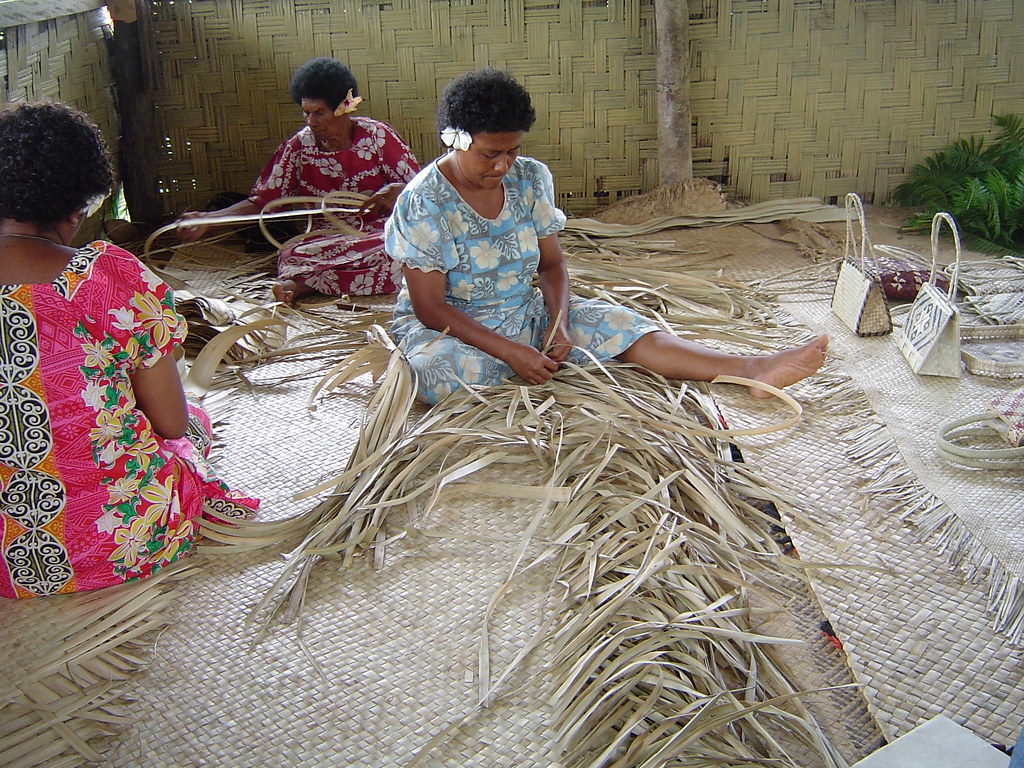
Another significant craft is the weaving of pandanus mats, known as ‘ie in Fijian. These mats are not only used for sitting and sleeping but also play a crucial role in ceremonies and are often given as gifts. The weaving process involves collecting leaves from the pandanus tree, which are then split, dyed, and woven into intricate patterns. The skill of the weaver is evident in the complexity and beauty of the finished mats.

Wood carving is another hallmark of Fijian art, with carvers creating everything from small figurines to large ceremonial drums and canoes. The art of carving is learned from a young age, with apprentices working alongside master carvers to learn the techniques and stories behind each design. The carvings often depict traditional Fijian myths and legends, as well as flora and fauna native to the islands.

The pottery of Fiji is also noteworthy, with potters creating utilitarian and ceremonial vessels using clay sourced from the islands. The pots are decorated with patterns that reflect the potter’s individual style and the cultural heritage of their village.

The preservation of these crafts is essential to maintaining the cultural identity of Fiji. The Fijian government and various non-governmental organizations have recognized the importance of these traditions and have taken steps to support and promote the work of local artisans. This includes providing training and resources, as well as creating markets for their products both locally and internationally.

Tourism has also played a significant role in the revival of Fijian crafts. Visitors to the islands are often captivated by the beauty and significance of these traditional arts, and many choose to purchase items as souvenirs or gifts. This has provided a valuable source of income for artisans and has helped to ensure the survival of these crafts.

In conclusion, the island arts of Fiji are more than just crafts; they are a living legacy of the Fijian people. They represent a connection to the past, a celebration of the present, and a hope for the future. As these traditions continue to evolve, they remain a testament to the resilience and creativity of the Fijian culture, crafting a heritage that is as enduring as the islands themselves.
Blending Traditions on the Global Stage: Festival Fusion

nightglow.info – In an era where globalization has brought cultures closer than ever, the concept of Festival Fusion has emerged as a vibrant celebration of diversity and unity. This phenomenon is not just about the coming together of different traditions; it’s a beautiful blend that creates something unique and unified on the global stage. Festival Fusion is a testament to the fact that while our cultures may vary, our desire to celebrate, share, and connect is universal.

The Essence of Festival Fusion

Festival Fusion is characterized by the harmonious blending of cultural elements from various traditions into a single event or celebration. This can involve the fusion of music, dance, food, art, and rituals, creating a rich tapestry of experiences that reflect the diversity of our world. The essence of Festival Fusion lies in its ability to break down barriers, foster understanding, and celebrate the richness of cultural heritage in a way that is accessible and enjoyable to all.

Global Stage, Local Flavors

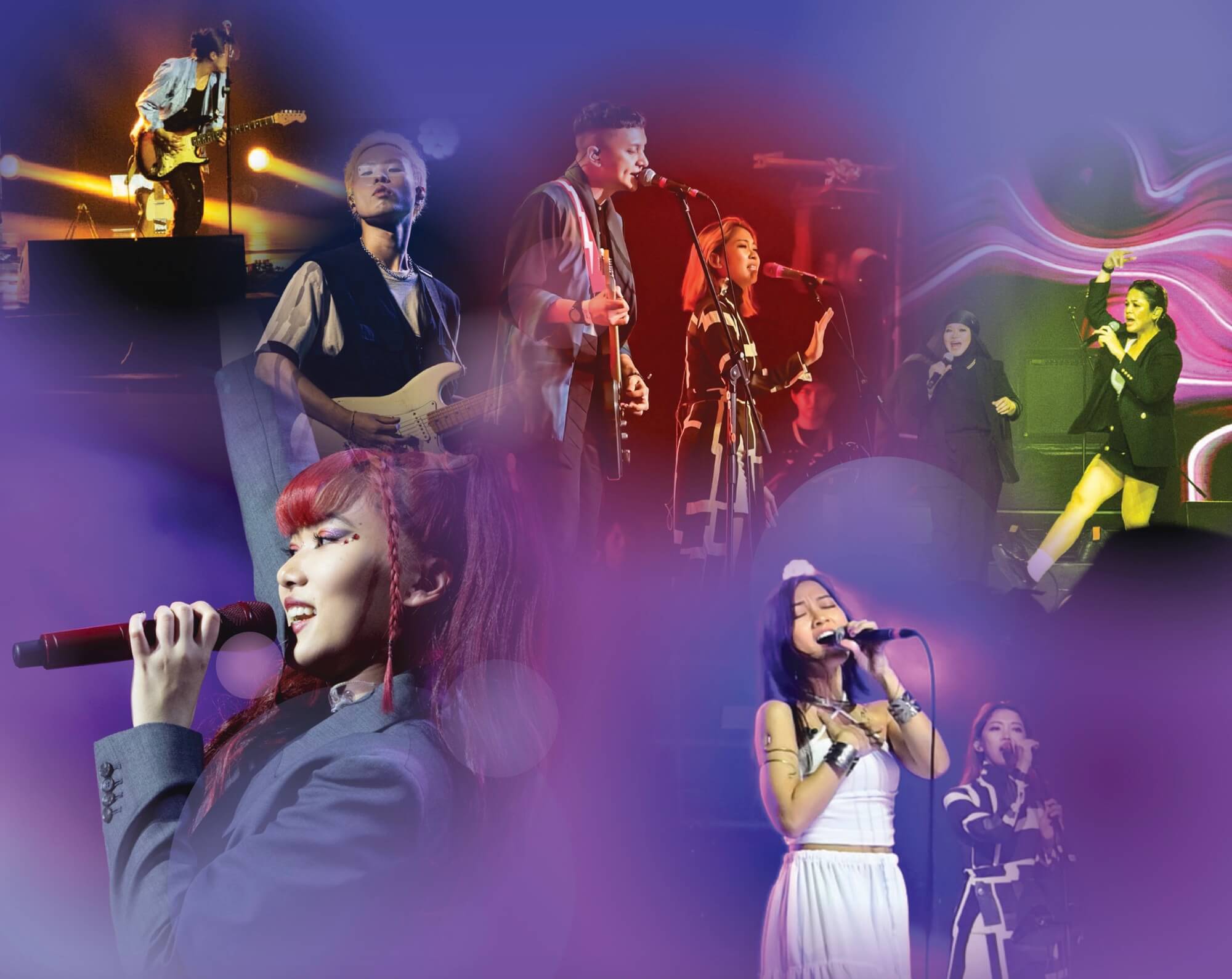
One of the most striking aspects of Festival Fusion is its ability to bring the global stage to local communities. Events that embody this concept often feature performances by artists from different countries, culinary delights from various cuisines, and crafts that showcase the artistry of diverse cultures. This not only provides a platform for cultural exchange but also enriches the local community by introducing them to traditions and practices they might not otherwise encounter.

Breaking Down Barriers

Festival Fusion plays a crucial role in breaking down cultural barriers. By celebrating the similarities and differences between cultures, it encourages dialogue and understanding. Participants and attendees are invited to step out of their comfort zones, explore new experiences, and engage with people from different backgrounds. This interaction fosters a sense of empathy and respect, highlighting the beauty of diversity and the strength found in unity.

The Role of Technology

In the digital age, technology has become an invaluable tool in promoting Festival Fusion. Social media platforms, streaming services, and virtual reality experiences have made it possible for people around the world to participate in and learn about cultural celebrations from the comfort of their homes. This has not only expanded the reach of Festival Fusion but has also allowed for a more inclusive and interactive experience.

Challenges and Opportunities

While Festival Fusion offers a myriad of benefits, it also faces challenges. Balancing authenticity with fusion can be a delicate task, requiring sensitivity and respect for the origins of each tradition. Additionally, there is a risk of diluting cultural significance if the fusion process is not approached thoughtfully. However, these challenges also present opportunities for innovation and creativity, encouraging organizers and participants to find new ways to honor traditions while embracing the spirit of unity and celebration.

Conclusion

Festival Fusion stands as a beacon of hope and unity in a world that often feels divided. By blending traditions on the global stage, it reminds us of the power of culture to connect, inspire, and transform. As we continue to navigate the complexities of our interconnected world, Festival Fusion offers a path forward—one that celebrates our differences while highlighting our shared humanity. Through music, dance, food, and art, we can come together, learn from one another, and create a more harmonious world, one festival at a time.