The Jihadist Insurgency in Burkina Faso: Impact & Response

nightglow.info – Burkina Faso, a landlocked country in West Africa, has been grappling with a growing jihadist insurgency that has escalated in recent years. This insurgency, fueled by various factors including regional instability, poverty, and governance issues, has had a profound impact on the country’s security, economy, and social fabric. This article examines the origins and nature of the jihadist insurgency in Burkina Faso, its impact on the country, and the response from both the government and international community.

Origins and Nature of the Insurgency

The roots of the jihadist insurgency in Burkina Faso can be traced back to the early 2010s, with the spread of jihadist groups from neighboring Mali. Groups such as Ansarul Islam, affiliated with al-Qaeda, and the Islamic State in the Greater Sahara (ISGS) have exploited local grievances and regional instability to gain a foothold in Burkina Faso.

Ideology and Tactics

The jihadist groups operating in Burkina Faso are driven by a mix of religious extremism and opposition to the state and its perceived secular values. They employ tactics such as ambushes, suicide bombings, and targeted assassinations to destabilize the government and spread fear among the population.

Impact of the Insurgency

The jihadist insurgency has had a devastating impact on Burkina Faso, affecting every aspect of life in the country.

Security and Humanitarian Crisis

The insurgency has led to a significant deterioration in security, with frequent attacks on military installations, civilians, and humanitarian workers. This has resulted in a large number of casualties and a humanitarian crisis, with hundreds of thousands of people displaced from their homes.

Economic Impact

The instability caused by the insurgency has had a severe impact on Burkina Faso’s economy. Agriculture, a mainstay of the economy, has been particularly hard hit, with farmers unable to cultivate their lands due to the insecurity. This has led to food shortages and increased poverty.

Social Fabric

The insurgency has also strained the social fabric of Burkina Faso, leading to communal tensions and a sense of insecurity among the population. The displacement of communities has disrupted social networks and traditional livelihoods, further exacerbating the crisis.

Response to the Insurgency

The Burkinabe government, along with the international community, has been working to address the jihadist insurgency through various initiatives.

Military Response

The Burkinabe military has launched several operations to counter the jihadist threat, with some success in reclaiming territory and reducing the frequency of attacks. However, these operations have also led to civilian casualties and further displacement, highlighting the challenges of military solutions.

Regional Cooperation

Burkina Faso is part of the G5 Sahel, a regional initiative aimed at addressing the security challenges in the Sahel region. This includes joint military operations and efforts to improve governance and economic development as part of a comprehensive approach to countering the insurgency.

International Support

The international community, including the United Nations, European Union, and individual countries, has provided support to Burkina Faso in the form of military assistance, training, and humanitarian aid. This support is crucial for addressing both the immediate security challenges and the underlying issues that fuel the insurgency.

Conclusion

The jihadist insurgency in Burkina Faso is a complex issue that requires a multifaceted response. While military action is necessary to address the immediate security threats, long-term solutions must focus on addressing the root causes of the insurgency, including poverty, governance issues, and regional instability. The collaboration between the Burkinabe government, regional partners, and the international community is essential for effectively countering the jihadist threat and restoring peace and stability in Burkina Faso.
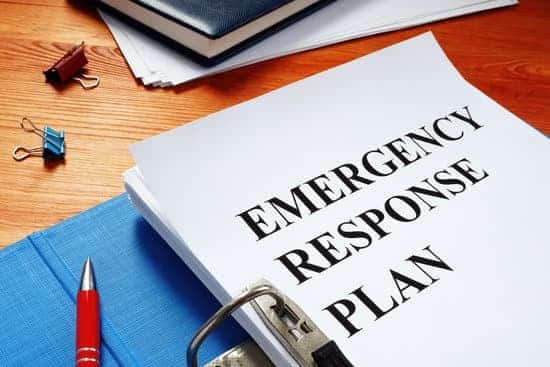
Understanding Emergency Preparedness and Response

nightglow.info – In today’s fast-paced world, emergencies can strike without warning, disrupting our lives and challenging our resilience. Whether natural disasters like hurricanes, earthquakes, or floods, or man-made crises such as terrorist attacks or industrial accidents, the ability to prepare for and respond to emergencies is crucial for minimizing harm and ensuring a swift recovery. This article aims to shed light on the importance of emergency preparedness and the key components of an effective emergency response.

The Importance of Emergency Preparedness

Emergency preparedness involves planning and measures taken in advance to prepare for emergencies. It is a critical component of public safety and involves individuals, communities, and governments. Preparedness efforts can significantly reduce the impact of emergencies by ensuring that resources and systems are in place to respond effectively. This includes having emergency plans, stocking emergency kits, and educating the public on what to do before, during, and after an emergency.

Key Components of Emergency Preparedness

  1. Risk Assessment: Identifying potential risks and vulnerabilities is the first step in preparedness. This involves analyzing the likelihood and potential impact of various emergencies.
  2. Planning: Developing comprehensive emergency plans is essential. These plans should outline the roles and responsibilities of all stakeholders, communication strategies, evacuation procedures, and resource allocation.
  3. Training and Exercises: Regular training and drills are vital to ensure that emergency responders and the public are familiar with the plans and can act swiftly and efficiently.
  4. Public Education: Informing the public about potential risks and how to prepare for and respond to emergencies is crucial. This can be done through campaigns, workshops, and the distribution of informational materials.
  5. Stockpiling Resources: Ensuring that essential supplies such as food, water, medical equipment, and shelter are readily available is a critical aspect of preparedness.

Emergency Response

When an emergency occurs, a well-coordinated response is essential to save lives, protect property, and restore normalcy. The response phase involves the immediate actions necessary to prevent further harm and to provide initial care to those affected. Key components of an effective emergency response include:

  1. Alert and Notification Systems: Quickly alerting the public and emergency responders is critical. This can be done through sirens, mobile alerts, social media, and other communication channels.
  2. Search and Rescue Operations: Locating and rescuing individuals in danger is a priority. This requires trained personnel and specialized equipment.
  3. Medical and Humanitarian Aid: Providing immediate medical care and support to those injured or displaced is essential. This may involve setting up temporary shelters and medical facilities.
  4. Coordination and Collaboration: Effective emergency response requires coordination among various agencies, organizations, and levels of government. A unified command structure can help streamline efforts and avoid duplication.
  5. Recovery and Rebuilding: After the immediate response, the focus shifts to recovery. This includes restoring essential services, rebuilding infrastructure, and supporting individuals and communities as they return to normalcy.

Conclusion

Emergency preparedness and response are critical for protecting lives and property. By investing in preparedness and ensuring that robust response mechanisms are in place, communities can better withstand the challenges posed by emergencies. It is the collective responsibility of governments, organizations, and individuals to be vigilant and proactive in their approach to emergency management. Through education, planning, and collaboration, we can build more resilient communities capable of facing whatever the future may hold.