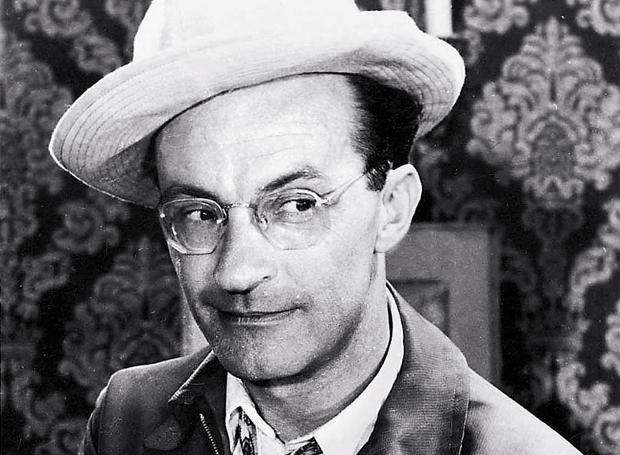
Dinos Iliopoulos: The Unforgettable Maestro of Greek Comedy

nightglow.info – Dinos Iliopoulos remains a beloved and iconic figure in Greek cinema and theatre, celebrated for his unparalleled comedic timing, expressive physicality, and endearing portrayals of everyday characters. With a career spanning decades, he cemented his place as one of Greece’s most cherished comedic actors, leaving behind a legacy of laughter and unforgettable performances.

From Humble Beginnings to the Stage

Born in Smyrna (now İzmir, Turkey) in 1915, Dinos Iliopoulos’s family relocated to Greece following the Greco-Turkish War. This experience likely shaped his understanding of human resilience and the importance of finding humor even in difficult circumstances. He developed a passion for acting early on, eventually pursuing his studies at the prestigious National Theatre of Greece Drama School.

His stage debut marked the beginning of a long and illustrious career. Iliopoulos quickly became known for his natural comedic talent and his ability to connect with audiences on a personal level. His performances were marked by a unique blend of physical comedy, witty dialogue delivery, and a genuine warmth that made him instantly relatable.

A Golden Age of Greek Cinema

Iliopoulos’s career coincided with a golden age of Greek cinema, and he became a prominent figure in countless beloved films. His presence on screen was magnetic, and he had a unique ability to bring even the smallest roles to life with memorable charm.

Some of his most iconic film appearances include:

  • O Methystakas (The Drunkard) (1950): This film showcased his early comedic talents and established him as a rising star.
  • Laterna, ftoheia kai filotimo (Lantern, Poverty and Pride) (1955): A classic of Greek cinema, this film highlighted Iliopoulos’s ability to blend comedy with heartwarming sentiment.
  • Mia Zoi tin Ehoume (We Only Live Once) (1958): A hugely popular comedy that further cemented his status as a comedic icon.
  • To Doloma (The Bait) (1964): This film, directed by Michael Cacoyannis, offered a more dramatic role alongside his comedic prowess.

Iliopoulos’s characters were often ordinary people facing everyday challenges, but he imbued them with a unique sense of humor and resilience that resonated with audiences. He had a remarkable talent for physical comedy, using his expressive face and body language to create hilarious and memorable moments.

A Master of the Stage

While his film work brought him widespread fame, Iliopoulos remained deeply connected to the theatre throughout his career. He considered the stage his true home and continued to perform in numerous theatrical productions, showcasing his versatility and dedication to the craft.

His stage performances were known for their energy, precision, and ability to connect with the audience on an intimate level. He was a true master of comedic timing, able to elicit laughter with a simple glance or gesture.

A Lasting Legacy of Laughter

Dinos Iliopoulos’s contribution to Greek entertainment is immeasurable. He brought joy and laughter to generations of viewers and theatergoers, and his work continues to be cherished today. His characters are remembered for their warmth, their humor, and their humanity.

He passed away in Athens in 2001, leaving behind a rich legacy of work that continues to inspire and entertain. Dinos Iliopoulos will forever be remembered as one of Greece’s most beloved comedic actors, a true maestro of laughter whose influence on Greek culture remains profound. His films and stage performances continue to be enjoyed, reminding us of the power of humor to connect us all.
Bye Bye Birdie: A Rock ‘n’ Roll Musical Comedy

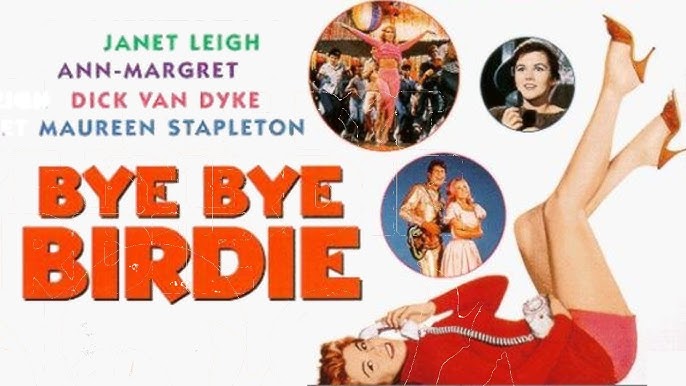
nightglow.info – Bye Bye Birdie (1963) is a vibrant and nostalgic musical comedy that captures the spirit of the 1950s. Based on the Broadway hit, the film adaptation stars Dick Van Dyke, Janet Leigh, and Ann-Margret, and tells the story of a rock ‘n’ roll heartthrob, Conrad Birdie, who is drafted into the army.

A Whimsical Tale of Teen Dreams

The plot revolves around Albert Peterson, a meek and mild-mannered songwriter, and his vivacious secretary, Rosie. When Conrad Birdie is drafted, Albert and Rosie devise a plan to have Birdie give one last kiss to a lucky fan before he departs. They choose Kim McAfee, a shy and awkward teenager from Sweet Apple, Ohio.

A Nostalgic Trip Down Memory Lane

Bye Bye Birdie is a nostalgic trip down memory lane, evoking the era of poodle skirts, drive-in movies, and sock hops. The film’s colorful sets, catchy songs, and energetic dance numbers perfectly capture the excitement and energy of the 1950s.

A Star-Making Performance

Ann-Margret’s performance as Rosie DeLeon is a standout, showcasing her incredible talent as a singer and dancer. Her portrayal of the vivacious and ambitious secretary is both captivating and iconic. Her rendition of the song “Honestly Sincere” is a highlight of the film and has become a classic.

A Timeless Tale of Love and Loss

Beyond its nostalgic appeal, Bye Bye Birdie is a heartwarming story about love, loss, and the power of music. The film explores themes of growing up, chasing dreams, and the bittersweet nature of change.

Bye Bye Birdie is a delightful and entertaining musical comedy that continues to charm audiences of all ages. Its catchy songs, memorable characters, and nostalgic atmosphere make it a timeless classic.

The Hallelujah Trail (1965): A Western Comedy Adventure

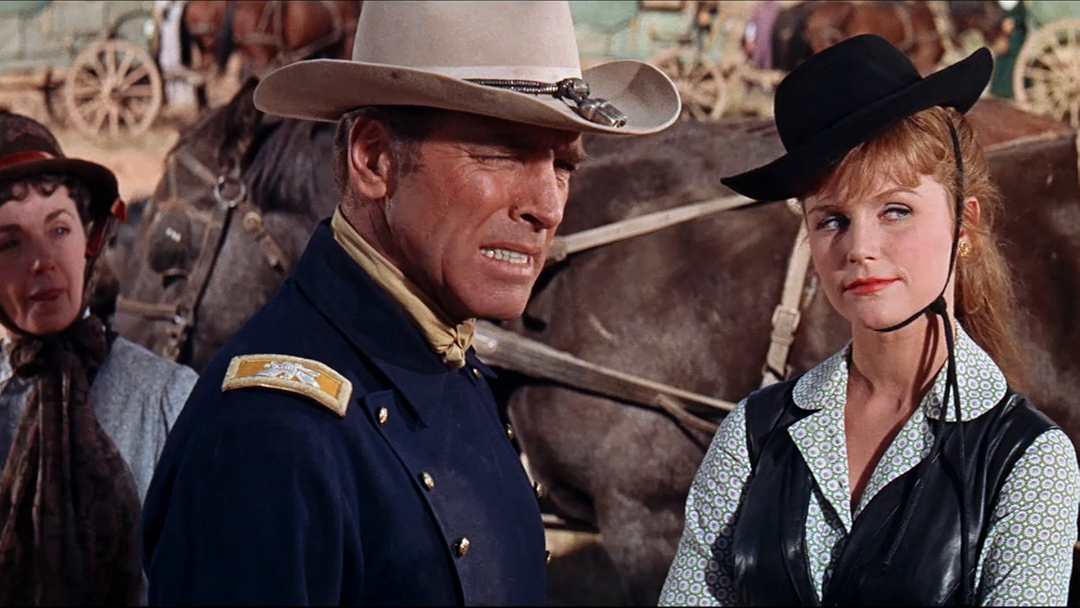
nightglow.info – “The Hallelujah Trail” is a 1965 satirical Western comedy film directed by John Sturges. Known for its humorous take on the Western genre, the film combines elements of adventure and comedy against the backdrop of the American frontier. With a star-studded cast and a sprawling narrative, “The Hallelujah Trail” offers a unique blend of humor and action.

Plot Overview

Set in the year 1867, the film tells the story of a group of characters who converge on a mission to transport a vital shipment of whiskey to the town of Denver, Colorado, as winter approaches. The plot revolves around:

  1. Colonel Thaddeus Gearhart (played by Burt Lancaster): A seasoned cavalry officer assigned to protect the whiskey shipment from potential threats.
  2. Frank Wallingham (played by Brian Keith): The owner of the whiskey shipment, who is determined to see it safely arrive in Denver.
  3. Cora Templeton Massingale (played by Lee Remick): The leader of the Temperance Movement, who aims to stop the whiskey delivery to promote sobriety.
  4. Chief Walks-Stooped-Over (played by Martin Landau): A Native American chief who sees the whiskey as an opportunity for negotiation and leverage.

Setting and Cinematography

The film was shot in various locations across New Mexico and Arizona, capturing the rugged and expansive landscapes typical of Western films. The cinematography showcases sweeping vistas and detailed set pieces, complementing the film’s large-scale comedic set-pieces and action sequences.

Themes and Style

“The Hallelujah Trail” employs satire to critique the stereotypes and tropes of traditional Westerns. It explores themes of cultural clash, the absurdity of human endeavors, and the unpredictability of frontier life. The film’s comedic style is characterized by slapstick humor, witty dialogue, and a series of escalating mishaps that bring the diverse group of characters into conflict and cooperation.

Reception and Legacy

Upon its release, “The Hallelujah Trail” received mixed reviews, with critics divided on its comedic approach to the Western genre. However, it was praised for its ambitious production, engaging performances, and its ability to parody the conventions of Western films.

Over the years, the film has become a cult favorite, appreciated for its humor and its willingness to subvert traditional Western narratives. Its influence can be seen in subsequent films that blend comedy with genre conventions, paving the way for more playful interpretations of the Western.

Conclusion

“The Hallelujah Trail” stands out as a unique entry in the Western genre, offering audiences a comedic and satirical take on frontier life. With its memorable performances, humor, and epic scale, the film continues to entertain and amuse viewers, securing its place as a classic comedy adventure of the 1960s.

Crazy Ex-Girlfriend: A Musical Comedy That Redefined Television

nightglow.info – “Crazy Ex-Girlfriend” is an American romantic musical comedy-drama television series that premiered on October 12, 2015, on The CW. The show ran for four seasons, concluding on April 5, 2019. Created, written, and directed by Rachel Bloom and Aline Brosh McKenna, the series stars Bloom in the lead role as Rebecca Bunch, a successful New York lawyer who moves to West Covina, California, to pursue a former high school crush, Greg (played by Skylar Astin).

The Unique Concept

What sets “Crazy Ex-Girlfriend” apart from other television shows is its innovative blend of musical numbers and traditional sitcom elements. The series features original songs that are seamlessly integrated into the narrative, often providing commentary on the characters’ emotions and actions. This unique approach to storytelling has been praised for its creativity and subversiveness, making it a standout in the television landscape.

The Main Character: Rebecca Bunch

Rebecca Bunch, played by co-creator Rachel Bloom, is the heart of the show. Initially portrayed as a stalker, Rebecca’s character evolves throughout the series, challenging traditional romantic comedy tropes. Her journey from a New York lawyer to a West Covina resident is filled with self-discovery, personal growth, and a series of comedic and dramatic moments.

Musical Numbers and Their Significance

The musical numbers in “Crazy Ex-Girlfriend” are not just entertainment; they serve as a crucial part of the storytelling. Each song provides insight into the characters’ inner thoughts and feelings, often in a way that dialogue alone cannot achieve. The show’s music, co-written by Rachel Bloom, has been noted for its ability to tackle complex themes with humor and poignancy.

Critical Reception and Awards

“Crazy Ex-Girlfriend” received critical acclaim for its innovative approach to musical comedy and its nuanced portrayal of mental health issues. The series was nominated for numerous awards, including several Emmy Awards, and won several Critics’ Choice Television Awards and GLAAD Media Awards. The show’s finale, which saw Rebecca choosing herself over her exes, was particularly praised for its empowering message.

Legacy and Impact

The legacy of “Crazy Ex-Girlfriend” lies in its ability to redefine what a musical comedy can be on television. By blending traditional sitcom elements with original musical numbers, the show opened up new possibilities for the genre. Its influence can be seen in subsequent television shows that have attempted to replicate its unique formula.

Conclusion

“Crazy Ex-Girlfriend” is more than just a musical comedy; it is a groundbreaking series that pushed the boundaries of television storytelling. With its memorable characters, catchy songs, and thought-provoking narrative, it remains a beloved and influential show in the world of television.

The 80s Comedy Phenomenon: Eddie Murphy

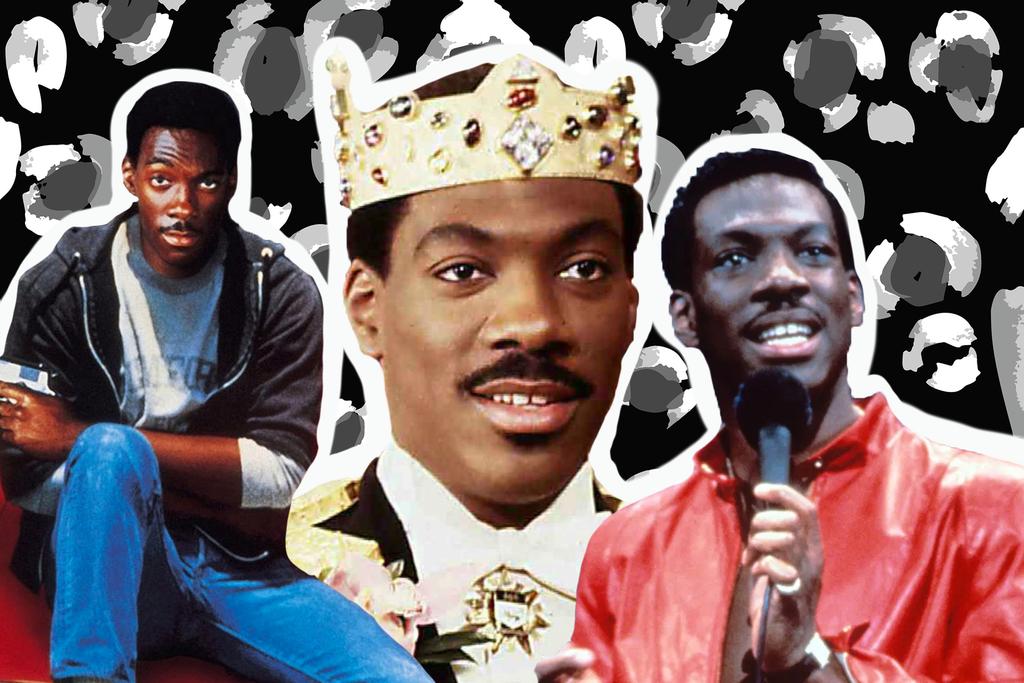
nightglow.info – The 1980s was a decade of transformation in the entertainment industry, and at the heart of this change was a young comedian named Eddie Murphy. With his unique blend of humor, charisma, and unparalleled talent, Murphy quickly rose to fame, becoming a comedy phenomenon that left an indelible mark on the era. From his breakout role on “Saturday Night Live” to his successful film career, Murphy’s impact on comedy during the 80s is undeniable.

The Early Years

Eddie Murphy was born on April 3, 1961, in Brooklyn, New York. His early exposure to comedy came from his father, who was a comedian himself. Unfortunately, Murphy’s father passed away when he was just eight years old, leaving a void that young Eddie would eventually fill with his own comedic pursuits.

Breaking Out with “Saturday Night Live”

Murphy’s big break came in 1980 when he was hired as a cast member on the iconic sketch comedy show “Saturday Night Live” (SNL). At just 19 years old, he was the youngest person ever to join the cast and the only African American cast member during his tenure. Murphy’s fresh perspective and fearless approach to comedy quickly made him a standout on the show. His memorable characters, such as Buckwheat, Gumby, and Mr. Robinson, showcased his versatility and ability to tackle a wide range of comedic styles.

A Star is Born

Murphy’s success on SNL catapulted him to stardom, and he soon became one of the most sought-after comedians in Hollywood. His first film, “48 Hrs.” (1982), paired him with actor Nick Nolte and showcased his ability to blend comedy with action. The film was a box office success and solidified Murphy’s status as a leading actor.

The 80s Comedy Phenomenon

Throughout the 1980s, Eddie Murphy continued to dominate the comedy scene with a string of hit films. Movies like “Trading Places” (1983), “Beverly Hills Cop” (1984), and “Coming to America” (1988) not only showcased his comedic genius but also his ability to carry a film and connect with audiences on a global scale. Murphy’s characters were often lovable underdogs or fish-out-of-water types, which allowed him to explore various themes while keeping the laughs coming.

Stand-Up Success

In addition to his film career, Murphy’s stand-up comedy specials, such as “Delirious” (1983) and “Raw” (1987), were massive successes. His raw, uncensored humor and ability to tackle sensitive topics with humor and insight earned him a dedicated fan base. These specials are still regarded as some of the best stand-up performances of all time.

Legacy

Eddie Murphy’s impact on comedy during the 1980s cannot be overstated. He was a trailblazer, paving the way for future generations of comedians and actors of color. His work ethic, talent, and fearless approach to comedy set a new standard for the industry.

Conclusion

As the 80s drew to a close, Eddie Murphy’s star continued to shine brightly. While his career has seen its ups and downs, his legacy as the comedy phenomenon of the 80s remains intact. Murphy’s influence can still be seen in the comedy of today, and his work from that era is celebrated as some of the best in the genre. Eddie Murphy’s journey from a young comedian on “Saturday Night Live” to a comedy legend is a testament to his talent and the enduring power of laughter.