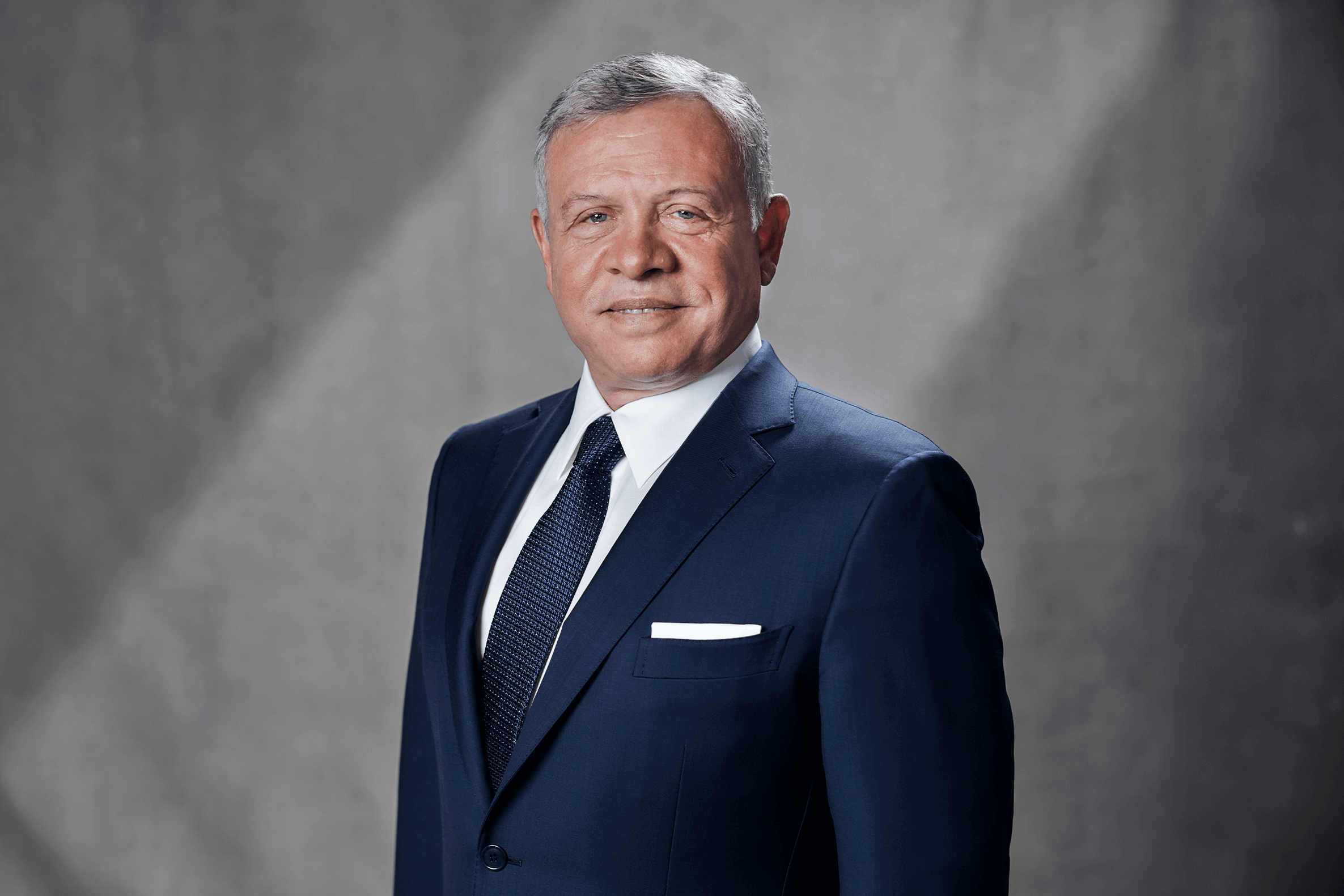
King Abdullah II: A Visionary Leader Shaping Jordan’s Future

nightglow.info – King Abdullah II bin Al-Hussein, who has been Jordan’s monarch since 1999, is a pivotal figure in modern Middle Eastern politics. Known for his efforts to modernize Jordan, his pragmatic approach to regional diplomacy, and his focus on economic and social reforms, King Abdullah II has steered the country through challenging times while maintaining its stability. Under his leadership, Jordan has continued to be a key player in international peace efforts, particularly in the context of the Arab-Israeli conflict and regional stability.

Early Life and Education

Born on January 30, 1962, in Amman, Jordan, King Abdullah II is the eldest son of King Hussein and Queen Muna. His upbringing was steeped in the Hashemite tradition, with a strong emphasis on duty, leadership, and service to the nation. Abdullah received a prestigious education, attending St. Edmund’s School in Surrey, England, and later the Royal Military Academy Sandhurst, following in the footsteps of his father. He also attended Pembroke College at the University of Oxford, where he studied Middle Eastern affairs, and later Georgetown University in Washington, D.C., where he completed his studies in international affairs.

Before becoming king, Abdullah II pursued a career in the military, rising through the ranks of the Jordanian Armed Forces. His military experience earned him respect both domestically and internationally, providing him with a deep understanding of defense and security issues.

Ascension to the Throne

On February 7, 1999, King Hussein passed away after a long battle with cancer, and Abdullah II ascended to the throne. His succession came after a late decision by King Hussein to appoint Abdullah as his heir, replacing his brother Prince Hassan, who had long been designated as crown prince. Abdullah’s ascension was marked by a smooth transition, reflecting the stability of the Hashemite monarchy and the trust the Jordanian people had in their new leader.

From the outset, King Abdullah II faced significant challenges. Jordan’s economy was struggling, the peace process with Israel was at a standstill, and regional instability posed ongoing threats. Despite these obstacles, Abdullah II quickly demonstrated his commitment to modernizing Jordan and ensuring its continued stability in an unpredictable region.

Economic and Social Reforms

One of King Abdullah II’s primary focuses has been the modernization of Jordan’s economy. He has implemented a series of economic reforms aimed at liberalizing the economy, attracting foreign investment, and reducing poverty. Early in his reign, Abdullah II pushed for privatization of state-owned enterprises, deregulation of key industries, and the development of Jordan’s IT and service sectors. His vision was to turn Jordan into a regional hub for technology, business, and education.

Abdullah’s reforms have included strengthening Jordan’s infrastructure, expanding educational opportunities, and investing in renewable energy projects. The king has emphasized the need for innovation and entrepreneurship as engines of growth, promoting initiatives that encourage start-ups and small businesses. His efforts have helped diversify Jordan’s economy, though the country continues to face challenges due to its limited natural resources and reliance on foreign aid.

On the social front, King Abdullah II has been a strong advocate for women’s rights and youth empowerment. He has supported legislation to enhance gender equality, improve access to education, and create more opportunities for Jordan’s youth. In 2006, he launched the Madrasati Initiative, aimed at improving education in Jordan’s public schools, and he continues to emphasize the importance of modernizing the education system to prepare future generations for a competitive global economy.

Regional Diplomacy and Peace Efforts

King Abdullah II is widely respected for his diplomatic efforts to promote peace and stability in the Middle East. He has been a key mediator in the Israeli-Palestinian conflict, advocating for a two-state solution and consistently calling for negotiations based on international resolutions. His advocacy for peace has earned him a reputation as a pragmatic leader committed to dialogue and cooperation.

Jordan’s strategic location, bordering Israel, the West Bank, Syria, Iraq, and Saudi Arabia, has placed the country at the heart of regional dynamics. Under King Abdullah II, Jordan has maintained strong relations with the United States, Europe, and other Western powers, while also engaging with Arab and Muslim countries. Jordan has been an essential ally in counterterrorism efforts, particularly in the fight against ISIS and other extremist groups in the region. King Abdullah II’s leadership in promoting interfaith dialogue, moderation, and tolerance has made Jordan a key partner in global efforts to combat extremism.

In 2015, King Abdullah II’s standing on the international stage was highlighted when Jordan was thrust into the spotlight following the brutal killing of a Jordanian pilot by ISIS. In response, Abdullah pledged a stronger fight against terrorism, and Jordan stepped up its military role in the coalition against ISIS. His commitment to protecting Jordan’s security and contributing to regional peace has been unwavering throughout his reign.

Domestic Challenges and Political Reforms

While King Abdullah II has implemented significant reforms, Jordan faces ongoing domestic challenges, particularly in the context of economic hardships and demands for greater political representation. The Arab Spring in 2011 saw widespread protests across the region, including in Jordan, where citizens called for political reforms, increased transparency, and better economic opportunities. In response, King Abdullah II initiated several political reforms, including changes to electoral laws, the establishment of constitutional courts, and the decentralization of power.

Although Jordan has avoided the large-scale unrest that other countries experienced during the Arab Spring, dissatisfaction with economic conditions and calls for more robust political participation have persisted. King Abdullah II has navigated these pressures by promoting gradual reform, maintaining stability, and preserving the monarchy’s central role in Jordanian governance.

International Leadership and Global Recognition

King Abdullah II is recognized globally for his leadership in promoting peace, security, and humanitarian efforts. He has played a critical role in addressing the Syrian refugee crisis, with Jordan hosting over a million Syrian refugees since the outbreak of the Syrian civil war in 2011. Despite the strain this has placed on Jordan’s resources, Abdullah has continued to advocate for international support for refugees and for political solutions to the region’s conflicts.

King Abdullah II has also championed interfaith dialogue and coexistence. His efforts to foster understanding between different religious communities have earned him international accolades. In 2010, he was awarded the Templeton Prize for his work in promoting religious harmony, and he continues to be an advocate for tolerance and moderation in a region often marked by sectarian tensions.

King Abdullah’s Vision for the Future

As King Abdullah II continues to lead Jordan, his focus remains on ensuring that the country remains stable, prosperous, and resilient in the face of regional challenges. His “Jordan 2025” vision outlines a comprehensive plan for economic development, political reform, and social progress, with an emphasis on sustainability, innovation, and inclusivity.

King Abdullah’s commitment to his people and his nation’s future is evident in his hands-on approach to governance. He frequently engages with citizens, listening to their concerns and working to address their needs. His leadership style, combining pragmatism, resilience, and a focus on reform, has earned him the respect of Jordanians and leaders worldwide.

Conclusion

King Abdullah II’s reign, which began in 1999, has been defined by his vision for a modern, stable, and peaceful Jordan. Through economic reforms, political modernization, and diplomatic efforts, he has positioned Jordan as a key player in the Middle East while maintaining the country’s internal stability in an often volatile region. King Abdullah’s leadership continues to shape Jordan’s future, ensuring that the Hashemite Kingdom remains a beacon of moderation and progress in the Arab world.


The Red Sea Project: The Future of Tourism in Saudi Arabia

nightglow.info – Saudi Arabia, known historically for its oil wealth and conservative society, is undergoing a transformative journey that positions tourism as a cornerstone of its economic diversification strategy. Central to this vision is the ambitious Red Sea Project, a flagship development that promises to redefine luxury travel and ecotourism in the region. This article explores the potential of the Red Sea Project and its role in shaping the future of tourism in Saudi Arabia.

The Vision of the Red Sea Project

The Red Sea Project is a masterplan for a sustainable tourism destination that stretches across 28,000 square kilometers of pristine land and a crystal-clear waterfront. Located along the western coast of Saudi Arabia, the project is designed to be an ultra-luxury destination that offers unparalleled experiences in nature, culture, and wellness. The development is part of Saudi Arabia’s Vision 2030, aiming to attract millions of tourists and contribute significantly to the Kingdom’s economy.

Sustainable Development

One of the most striking features of the Red Sea Project is its commitment to sustainability. The development is designed to have a minimal environmental footprint, with plans to operate entirely on renewable energy and to preserve the natural beauty of the area. The project will feature a series of islands, desert landscapes, and mountain canyons, all of which will be protected and developed with the utmost respect for the environment. This approach not only ensures the preservation of the region’s unique ecosystems but also positions the Red Sea Project as a global leader in sustainable tourism.

Luxury and Diversity of Experiences

The Red Sea Project will offer a diverse range of experiences catering to different types of travelers. From luxury resorts and hotels to exclusive villas and eco-retreats, the development aims to provide an unparalleled level of comfort and service. Guests will have access to a variety of activities, including snorkeling and diving in the coral reefs, exploring ancient cultural sites, and enjoying wellness and spa treatments that incorporate local traditions and ingredients.

Economic and Social Impact

The economic potential of the Red Sea Project is vast. It is expected to create thousands of jobs directly and indirectly, contributing to the diversification of Saudi Arabia’s economy and reducing its dependence on oil. Moreover, the project is set to become a global tourism destination, attracting visitors from around the world and fostering a more open and welcoming image of Saudi Arabia.

Challenges and Opportunities

While the vision for the Red Sea Project is ambitious, its success will depend on overcoming several challenges. These include ensuring sustainable development practices, managing the impact of tourism on local communities and the environment, and navigating the complexities of international tourism in a region known for its conservative values.

Despite these challenges, the Red Sea Project represents a significant opportunity for Saudi Arabia to redefine its role on the global stage. By focusing on sustainable tourism and luxury experiences, the project has the potential to attract a new wave of visitors and contribute to the Kingdom’s economic diversification goals.

Conclusion

The Red Sea Project is a testament to Saudi Arabia’s commitment to transforming its tourism sector and diversifying its economy. By leveraging its natural beauty and cultural heritage, the project is poised to become a global destination that offers unparalleled experiences in luxury and sustainability. As the Red Sea Project moves forward, it will not only reshape the future of tourism in Saudi Arabia but also set new standards for sustainable development in the industry.

Powering Earth’s Future: Renewable Energy

nightglow.info – In an era where the global demand for energy is skyrocketing, the need for sustainable and environmentally friendly energy sources has never been more pressing. Renewable energy, derived from natural processes that are replenished at a rate that equals or exceeds its rate of use, presents a viable solution to the world’s energy crisis. This article delves into the importance of renewable energy, its various forms, and the role it plays in shaping our planet’s future.

The Importance of Renewable Energy

Renewable energy is crucial for several reasons. Firstly, it helps in reducing greenhouse gas emissions, which are a major contributor to climate change. By relying on renewable sources, we can significantly cut down on the carbon footprint associated with traditional energy sources like coal and oil. Secondly, renewable energy is a clean source of energy that does not deplete natural resources. This ensures that future generations have access to energy without compromising the environment.

Types of Renewable Energy

Renewable energy comes in various forms, each harnessing a different aspect of nature’s power. The most prominent types include:

Solar Energy

Solar energy is derived from the sun’s rays and is one of the most abundant sources of energy on Earth. Solar panels convert sunlight into electricity, which can be used to power homes, businesses, and even entire communities.

Wind Energy

Wind energy harnesses the power of the wind to generate electricity. Wind turbines capture the kinetic energy of the wind and convert it into electrical energy. Wind farms, which are collections of wind turbines, can produce significant amounts of electricity without emitting any greenhouse gases.

Hydropower

Hydropower is generated by the force of moving water. Dams and turbines are used to convert the energy of flowing water into electricity. Hydropower is one of the oldest and most widely used forms of renewable energy.

Geothermal Energy

Geothermal energy taps into the heat stored beneath the Earth’s surface. This heat is used to generate steam, which then drives turbines to produce electricity. Geothermal power plants can operate around the clock, providing a stable source of energy.

Biomass Energy

Biomass energy is derived from organic materials such as plants, wood, and waste. When these materials are burned, they release energy that can be converted into electricity or heat. Biomass can also be converted into liquid biofuels, which can be used as a substitute for gasoline and diesel.

The Role of Renewable Energy in the Future

As the world continues to grapple with the impacts of climate change, the role of renewable energy in powering our future becomes increasingly important. Governments, businesses, and individuals are recognizing the benefits of renewable energy and are investing in its development and deployment.

Economic Benefits

Renewable energy projects create jobs, lower electricity prices, reduce carbon emissions, maintain and enhance the value of local assets, and maintain a diverse supply of electricity. The growth of the renewable energy sector has the potential to stimulate economic development and create new opportunities for innovation and entrepreneurship.

Environmental Benefits

By reducing our reliance on fossil fuels, renewable energy helps to mitigate climate change, preserve natural habitats, and protect biodiversity. The transition to renewable energy sources is essential for achieving a sustainable and resilient energy system that can meet the needs of the present without compromising the ability of future generations to meet their own needs.

Technological Advancements

Advancements in technology are making renewable energy more efficient and cost-effective. Innovations in solar panel design, wind turbine technology, and energy storage solutions are paving the way for a future where renewable energy is not just an alternative but the preferred choice for powering our homes, businesses, and industries.

Conclusion

Renewable energy is not just a trend; it is a necessity for a sustainable future. As we continue to face the challenges of climate change and resource depletion, the shift towards renewable energy sources becomes imperative. By embracing the power of the sun, wind, water, and earth, we can ensure a cleaner, greener, and more prosperous future for all. The journey towards a renewable energy future is one that requires collective action and commitment, but the rewards—a healthier planet and a more secure energy future—are well worth the effort.

The Rising Stars of Tomorrow: Young, Gifted, and Future Famous

nightglow.info – In a world that is constantly evolving, the spotlight often shines brightest on those who have already made their mark. However, there is a vibrant and dynamic group of individuals who, though still in the early stages of their careers, show immense promise and potential. These are the young, gifted, and future famous – the rising stars who are poised to leave an indelible impact on their respective fields.

The Emergence of Talent

Every generation has its prodigies, those who seem to have been born with an innate ability to excel in their chosen domain. Whether it’s the arts, sciences, technology, or sports, these young talents are not just the future; they are the present, actively shaping the world around them with their innovative ideas and boundless energy.

Across the Spectrum of Genius

From the tech wizards who are developing groundbreaking software and apps to the young scientists working on cures for diseases, the scope of talent is vast and varied. In the arts, young musicians, writers, and visual artists are pushing boundaries and challenging norms, creating works that resonate with audiences worldwide.

The Role of Mentorship and Education

The journey to fame and success is not an easy one, and many of these young talents have benefited from the guidance of mentors and the support of educational institutions. These mentors play a crucial role in nurturing talent, providing the necessary encouragement and resources to help these young individuals reach their full potential.

Overcoming Challenges

Despite their talent, the path to fame is fraught with challenges. Many of these young stars face skepticism due to their age, and they must often work harder to prove themselves. However, their resilience and determination are what set them apart, allowing them to persevere through adversity and emerge stronger.

The Impact of Social Media

In the digital age, social media has become a powerful tool for these young talents to showcase their work and connect with a global audience. Platforms like YouTube, Instagram, and TikTok have democratized fame, allowing anyone with a unique talent or message to gain a following and influence.

Looking to the Future

As these young talents continue to grow and evolve, their impact on the world will only increase. They are not just the future famous; they are the future leaders, innovators, and change-makers. Their stories are a testament to the power of talent, hard work, and the relentless pursuit of one’s passions.

Conclusion

The young, gifted, and future famous are a beacon of hope and inspiration. They remind us of the endless possibilities that lie ahead and the importance of nurturing and supporting the next generation of talent. As we watch them rise, we can’t help but feel excited about what the future holds, knowing that these bright stars are just beginning to shine.