Navigating Adulthood: Challenges and Triumphs of Millennials

nightglow.info – The millennial generation, born roughly between 1981 and 1996, has faced a unique set of challenges as they navigate adulthood. From technological advancements to economic upheavals, millennials have had to adapt to a rapidly changing world. Despite these hurdles, they have also experienced significant triumphs that have shaped their identities and contributed to society in meaningful ways.

Economic Challenges

One of the most significant challenges millennials face is economic instability. Many came of age during the Great Recession, which affected their job prospects and financial stability. With rising student debt and stagnant wages, millennials often struggle to achieve the financial milestones their parents did, such as buying a home or saving for retirement.

Technological Adaptation

Millennials are the first generation to grow up with the internet and digital technology. While this has provided them with unprecedented access to information and opportunities for innovation, it has also brought challenges, such as the pressure of constant connectivity and the impact of social media on mental health. Navigating these digital landscapes requires a balance that many millennials are still striving to achieve.

Social and Cultural Shifts

This generation has also been at the forefront of significant social and cultural shifts. They are more likely to value diversity and inclusivity, advocating for social justice issues such as gender equality and LGBTQ+ rights. Millennials are redefining traditional norms around work, relationships, and family, often prioritizing personal fulfillment and work-life balance over conventional success metrics.

Triumphs and Resilience

Despite these challenges, millennials have demonstrated remarkable resilience. They are highly educated and value continuous learning, often seeking out new skills and knowledge to adapt to changing job markets. Millennials are also entrepreneurial, with many starting their businesses and leveraging technology to create innovative solutions to global problems.

The Role of Community and Connection

Millennials have a strong sense of community and connection, often utilizing digital platforms to build networks and support systems. This sense of community has been crucial in overcoming challenges, providing a platform for collaboration and collective action on issues ranging from climate change to political reform.

Conclusion

Navigating adulthood as a millennial involves a complex interplay of challenges and triumphs. While economic pressures and technological changes present significant hurdles, millennials have shown an ability to adapt, innovate, and advocate for a better future. Their journey is marked by resilience and a commitment to shaping a world that reflects their values and aspirations. As they continue to influence societal norms and drive change, the legacy of the millennial generation will be defined by both their struggles and their successes.
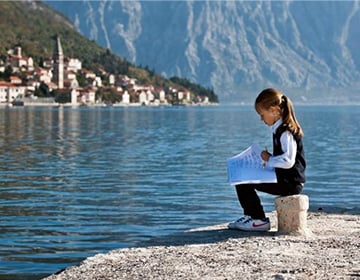
The Education System in Montenegro: Challenges & Progress

nightglow.info – The education system in Montenegro has undergone significant transformations since the country gained independence in 2006. While the government has made commendable efforts to improve the quality of education and align it with European standards, the system still faces various challenges. This article provides an analysis of Montenegro’s educational system, highlighting both the progress made and the ongoing challenges.

Overview of the Education System

Montenegro’s education system is structured into pre-primary, primary, secondary, and tertiary levels. The Ministry of Education, Science, Culture, and Sports is responsible for the development and implementation of education policies. The system is characterized by its compulsory primary education, free education at all levels, and a curriculum that aims to promote critical thinking and lifelong learning.

Progress in the Education System

Curriculum Reforms

Since independence, Montenegro has undertaken several curriculum reforms to modernize its education system. These reforms have focused on incorporating digital literacy, environmental education, and civic education into the curriculum. The aim is to equip students with the skills necessary for the 21st century and to foster a sense of responsibility towards society and the environment.

Infrastructure Improvements

The government has invested in improving school infrastructure, including the construction of new facilities and the renovation of existing ones. These efforts have helped to create a more conducive learning environment for students across the country.

Teacher Training and Professional Development

Recognizing the importance of qualified educators, Montenegro has implemented programs for teacher training and professional development. These initiatives aim to enhance teachers’ pedagogical skills and their ability to use modern teaching methods and technologies.

Challenges in the Education System

Limited Resources

One of the main challenges facing Montenegro’s education system is limited financial resources. The government’s budget for education is constrained, which affects the quality of education provided. This limitation is particularly evident in rural areas, where schools often lack adequate facilities and resources.

Brain Drain

Montenegro, like many other countries, faces the issue of brain drain. Many educated individuals, including teachers and professionals, leave the country in search of better opportunities abroad. This emigration of skilled workers can have a detrimental impact on the education system and the country’s development as a whole.

Educational Inequality

Despite efforts to provide equal access to education, there are still disparities in the quality of education between urban and rural areas. Students in rural areas often have less access to qualified teachers, modern teaching materials, and extracurricular activities. Addressing these disparities is crucial for ensuring that all students have the opportunity to succeed.

Conclusion

The education system in Montenegro has made notable progress since the country’s independence, with reforms aimed at modernizing the curriculum and improving infrastructure. However, challenges such as limited resources, brain drain, and educational inequality persist. Addressing these issues will require sustained efforts from the government, educational institutions, and international partners. By investing in education and ensuring equal access to quality learning opportunities, Montenegro can build a more knowledgeable and skilled workforce, essential for its future development and prosperity.

The Economic Challenges Facing North Korea

nightglow.info – The Democratic People’s Republic of Korea, commonly known as North Korea, is a country that has been facing numerous economic challenges for decades. These challenges are multifaceted, stemming from internal policies, external sanctions, and a lack of integration into the global economy. This article will delve into the various economic hurdles that North Korea is grappling with and their implications for the country’s future.

Sanctions and Isolation

One of the primary economic challenges facing North Korea is the web of international sanctions imposed by the United Nations, the United States, and other countries. These sanctions target the country’s nuclear and missile programs, restricting trade and financial transactions. As a result, North Korea’s access to foreign currency, technology, and markets is severely limited, hindering economic development and growth.

Centralized Economy and Mismanagement

North Korea operates under a centrally planned economy, where the state controls all means of production and distribution. This system has led to inefficiencies, mismanagement, and a lack of innovation. The government’s prioritization of military spending over investment in infrastructure and the private sector has further stunted economic progress.

Agricultural Difficulties

Agriculture is a significant sector of North Korea’s economy, but it faces numerous challenges. These include outdated farming techniques, a lack of modern equipment, and vulnerability to natural disasters such as floods and droughts. Food shortages are common, and the country often relies on international aid to feed its population.

Energy Shortages

North Korea suffers from chronic energy shortages, which severely impact industrial production and daily life. The country lacks the infrastructure and resources to meet its energy needs, leading to frequent power outages and a reliance on coal for energy production, which in turn contributes to environmental degradation.

Human Capital and Brain Drain

The North Korean economy is also hampered by a lack of skilled labor and a brain drain. The country’s education system, while extensive, does not always produce workers with the skills needed for a modern economy. Additionally, some of the most educated and skilled individuals seek opportunities abroad, further depleting the country’s human capital.

Currency Reform and Marketization

Attempts at currency reform and the introduction of market-based elements have been met with mixed results. While some limited market activities are tolerated, the government’s reluctance to fully embrace market reforms has prevented the economy from benefiting from the efficiencies and growth that such changes could bring.

Conclusion

The economic challenges facing North Korea are significant and deeply rooted. Overcoming these hurdles will require not only changes in domestic policies but also a shift in the international community’s approach. While the country has shown some resilience in the face of these challenges, sustained economic improvement will necessitate comprehensive reforms and a more integrated role in the global economy.