Navigating Dangerous Countries: The Nexus of Nightmares

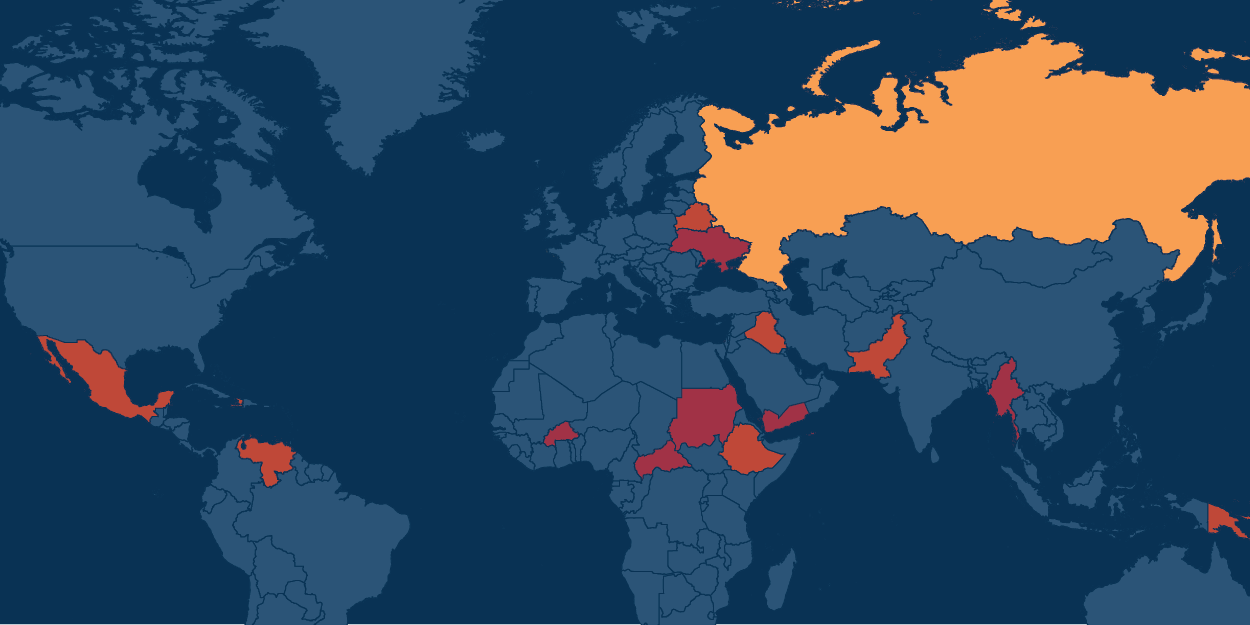
nightglow.info – In an era where global travel has become more accessible than ever, the allure of exploring distant lands and immersing oneself in diverse cultures is stronger than ever. However, the world is a tapestry of varying shades, and not all destinations are painted with the hues of safety and tranquility. There exists a nexus of nightmares, a collection of countries notorious for their dangers, where the uninitiated traveler must tread with caution. This article aims to shed light on navigating these perilous territories, offering insights and strategies for those who dare to venture into the heart of darkness.

Understanding the Dangers

Before delving into the specifics of navigating dangerous countries, it is crucial to understand the nature of the risks involved. These dangers can manifest in various forms, including but not limited to, political instability, terrorism, violent crime, kidnapping, and disease outbreaks. Countries with ongoing civil conflicts, weak governance, or regions plagued by organized crime syndicates are particularly treacherous.

Research and Preparation

The first line of defense against the perils of dangerous countries is thorough research and preparation. Travelers should consult the latest travel advisories issued by their government, as well as reports from international organizations and news outlets. Understanding the current state of affairs in a country is essential for anticipating potential risks.

It is also wise to learn about the cultural norms and sensitivities of the destination. What might be considered acceptable behavior in one’s home country could be deeply offensive elsewhere. Respecting local customs and laws is not only a matter of courtesy but also a safety measure.

Safety Measures

When traveling to dangerous countries, certain safety measures should be strictly adhered to:

  1. Travel Insurance: Ensure that your travel insurance covers high-risk activities and destinations. It should include medical evacuation, as accessing quality healthcare in some countries can be challenging.
  2. Secure Accommodations: Choose accommodations with a strong security presence, such as hotels that cater to international business travelers. Avoid staying in areas known for high crime rates.
  3. Local Guides and Drivers: Hiring local guides and drivers who are familiar with the area can significantly reduce the risk of encountering danger. They can navigate the complexities of the local environment and provide valuable insights.
  4. Communication: Keep friends and family informed of your itinerary. Consider carrying a satellite phone or a GPS tracker in areas with unreliable cellular service.
  5. Avoidance of Risky Areas: Stay away from demonstrations, protests, and any areas known for criminal activity. It is also advisable to avoid traveling at night.
  6. Personal Security: Be mindful of your surroundings at all times. Keep valuables out of sight, and consider carrying a decoy wallet to deter potential thieves.

Mental and Physical Preparedness

Navigating dangerous countries requires not only logistical preparation but also mental and physical readiness. Travelers should be in good health and possess a high level of adaptability. It is also important to maintain a low profile and avoid drawing unnecessary attention.

Conclusion

The nexus of nightmares is not an invitation to reckless adventure but a call to informed and responsible travel. While the dangers are real, they are not insurmountable with the right preparation and mindset. For those who choose to explore these perilous destinations, the rewards can be profound—a deeper understanding of the world’s complexities and the resilience of the human spirit.

Remember, the journey through dangerous countries is not for everyone. It requires a balance of caution and curiosity, a willingness to embrace the unknown while respecting the boundaries of safety. For those who find themselves drawn to the edge, may your travels be enlightening and your return, safe.

Countries Where Women Thrive: The Safest Havens

In a world where gender equality and safety are paramount, it is crucial to recognize and celebrate countries that prioritize the well-being and rights of women. Safety for women encompasses various aspects, including physical security, economic opportunities, and legal protections. Here, we explore some of the safest countries for women, based on factors such as low crime rates, gender equality policies, and overall quality of life.

Iceland

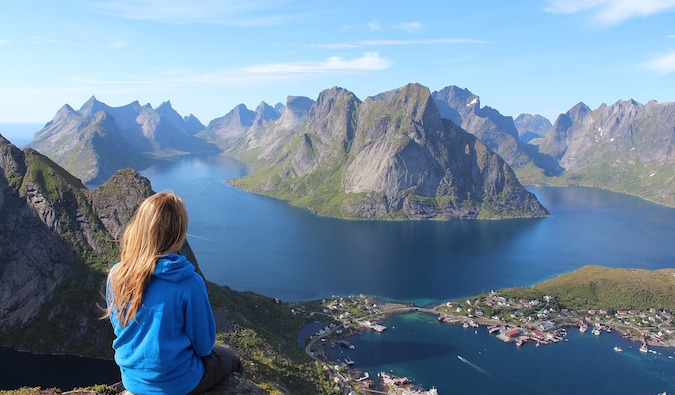
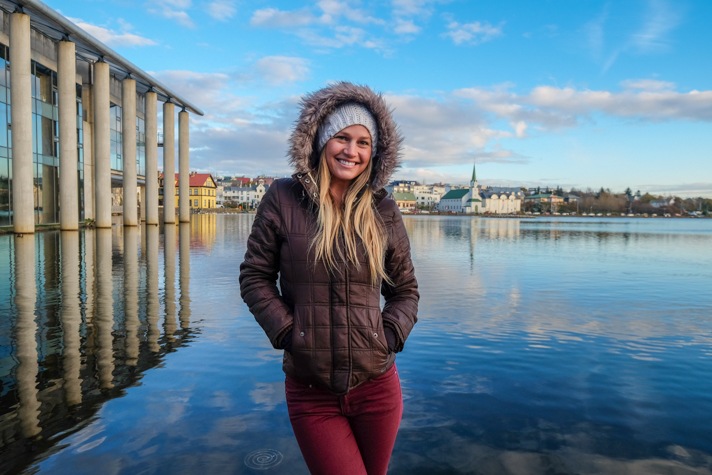
The Solo Female Traveler's Guide to Iceland • The Blonde Abroad

Topping the list for several years, Iceland is a beacon of gender equality. It has consistently ranked first in the World Economic Forum’s Global Gender Gap Report. Iceland’s government is committed to eradicating gender-based discrimination, and it offers generous parental leave policies. The country also boasts a high percentage of women in political and corporate leadership positions. With strict laws against harassment and violence, Iceland is a safe haven for women.

New Zealand

New Zealand Ranked 2nd Safest Country in the World to Live: Find Out Why! - Prospero Teaching

New Zealand is another country that stands out for its commitment to women’s rights and safety. It has a strong legal framework that protects women from violence and discrimination. The country has a history of electing women to high-profile political positions, including being the first nation to grant women the right to vote in 1893. New Zealand also offers excellent healthcare services, including reproductive rights, and has a low rate of gender-based violence.

Finland

News | Visit Finland


Finland is renowned for its high standard of living and comprehensive social welfare system, which benefits both men and women. The country has one of the smallest gender pay gaps in the world and offers extensive parental leave. Education and healthcare are accessible to all, and Finland’s government actively works to combat gender-based violence and promote equality in all sectors.

Norway

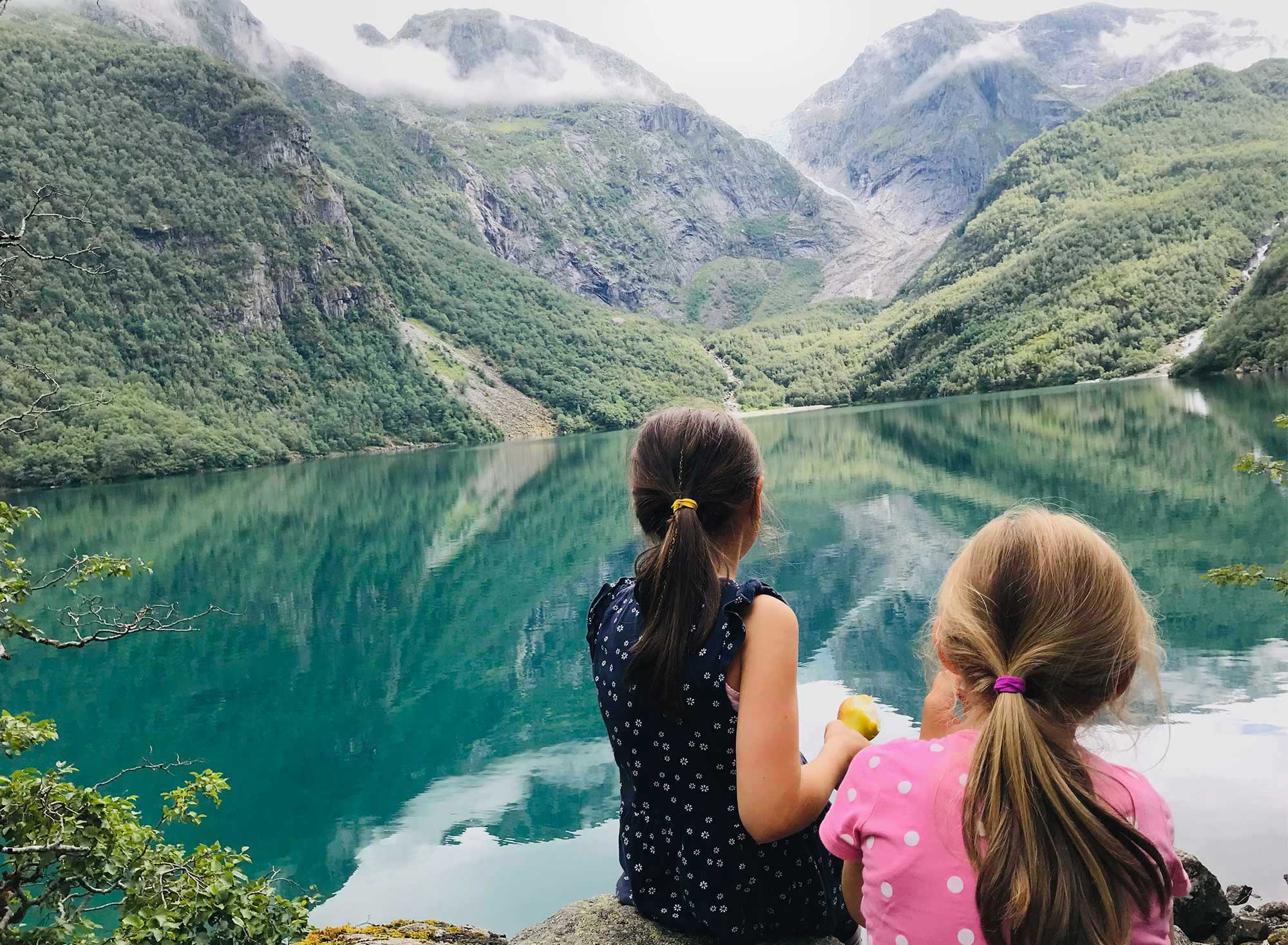
6 Women Who Conquered Mountains to Travel the World

Norway is a pioneer in gender equality, with a robust welfare system that supports working mothers and fathers alike. It has a high percentage of women in the workforce and in political office. Norway’s government has implemented policies to ensure equal representation in corporate boards and offers generous parental leave. The country also has low rates of violence against women and strong legal protections.

Sweden

sweden Archives - Blog I Good Travel

Sweden is a global leader in gender equality, with a progressive approach to parental leave, gender-neutral childcare, and equal pay. The country has a long history of women’s rights activism and has implemented policies to combat gender-based violence effectively. Sweden’s education system is top-notch, and women have equal access to all levels of education and employment opportunities.

Denmark

Denmark ranked among safest countries for women travelling alone - The Copenhagen Post

Denmark rounds out the list with its strong social welfare system, high level of gender equality, and low crime rates. The country offers excellent healthcare services and has a small gender pay gap. Denmark also has a history of women in leadership positions and has implemented policies to support working parents, making it a safe and supportive environment for women.

Conclusion

The countries listed above are leading the way in creating safe and equitable societies for women. Their commitment to gender equality, legal protections, and social welfare systems serve as models for the rest of the world. While no country is perfect, these nations demonstrate that with the right policies and attitudes, it is possible to create environments where women can thrive and live without fear. As the global community continues to strive for gender equality, these safe havens offer hope and inspiration for a better future for all women.