Venezuela’s Political Landscape in 2024: Seizing Opportunities

nightglow.info – As Venezuela enters 2024, the political landscape is fraught with challenges and opportunities that could significantly impact the country’s trajectory. The year is marked by pivotal elections that could either solidify the status quo or usher in a new era of governance and stability.

Challenges

The most immediate challenge is the upcoming presidential election, which is expected to be highly contentious. President Nicolás Maduro, seeking a third term, faces a unified opposition that has overcome its divisions to form a coalition. The opposition candidate, former diplomat Edmundo González, stepped into the role after the popular Maria Corina Machado was barred from running. The opposition claims victory, but the government-controlled National Electoral Council declared Maduro the winner, leading to widespread protests and international skepticism about the fairness of the election.

Human rights abuses and a deepening humanitarian crisis continue to plague Venezuela. The UN High Commissioner for Human Rights reported that more than 270 political prisoners are behind bars, and about 19 million people are in need of adequate health care and nutrition. The International Criminal Court has authorized an investigation into alleged crimes against humanity, highlighting the severity of the situation.

Opportunities

Despite these challenges, there are opportunities for positive change. The opposition’s commitment to free and fair elections and the international community’s scrutiny could pressure the government to adhere to democratic norms. The opposition’s primary election, which saw Maria Corina Machado overwhelmingly elected as the presidential candidate, demonstrated a level of unity and organization that could be crucial in the upcoming elections.

Negotiations between the government and the opposition have resumed, reaching agreements related to political rights and electoral guarantees. These negotiations, if upheld, could provide a pathway to a more inclusive electoral process.

The Path Forward

The path forward for Venezuela in 2024 hinges on the outcome of the presidential election and the international community’s response. A democratic transition could lead to significant reforms and international support, potentially reversing the country’s economic and humanitarian decline. However, the risk of electoral fraud and repression remains high, and the international community must be vigilant in monitoring the situation and supporting a peaceful and fair electoral process.

In conclusion, 2024 is a critical year for Venezuela. The challenges are daunting, but the opportunities for change are significant. The international community, along with the Venezuelan people, must work together to ensure that the upcoming elections are free, fair, and transparent, paving the way for a brighter future for Venezuela.
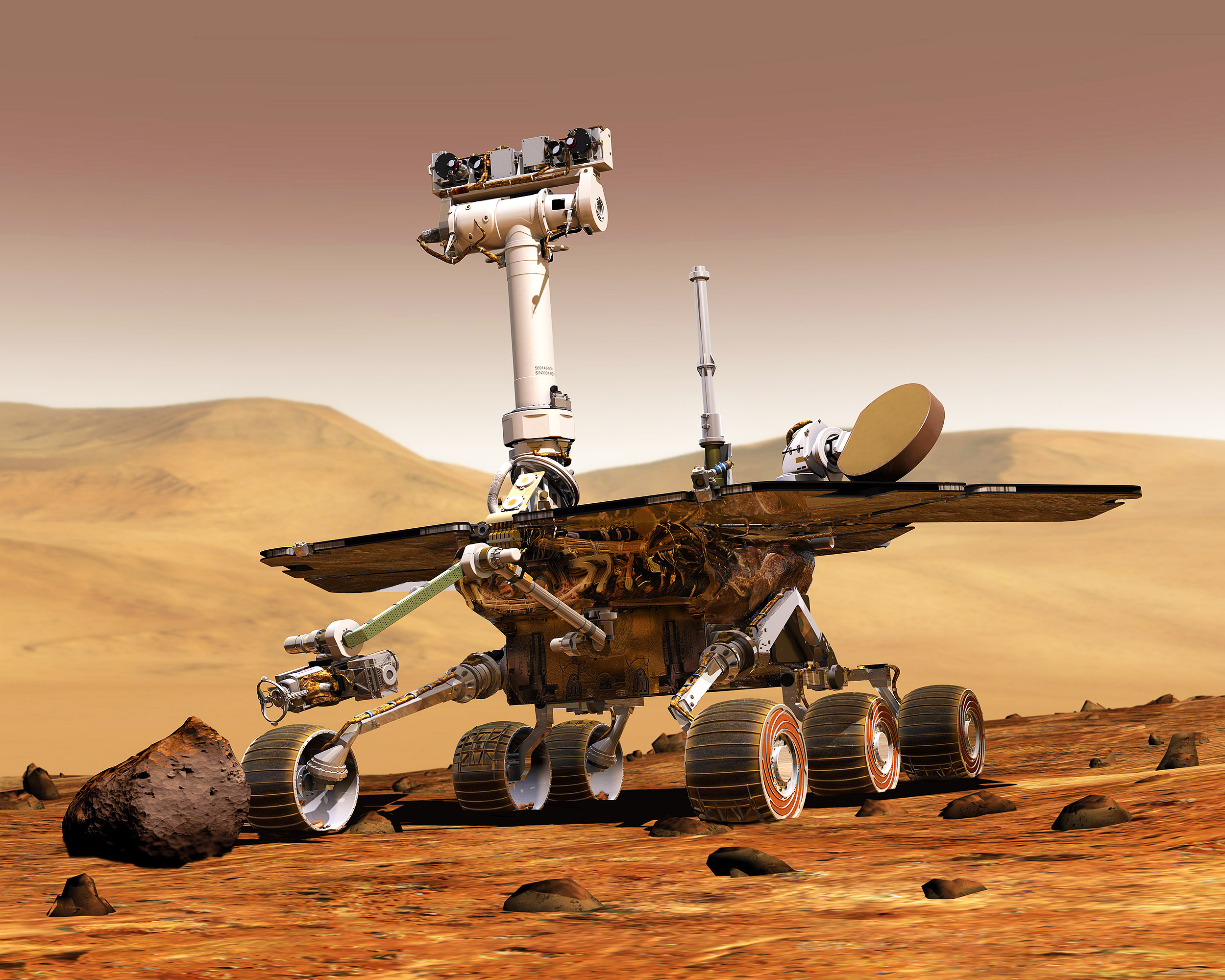
The Opportunity and The Enduring Legacy of Mars Rovers Spirit

nightglow.info – The Mars Exploration Rover Mission, launched by NASA in 2003, was a groundbreaking endeavor that aimed to explore the Martian surface, seeking evidence of past water activity and potential habitability. The mission consisted of two robotic rovers, Spirit and Opportunity, which landed on opposite sides of Mars in January 2004. Despite their initial expected lifespan of 90 Martian solar days (sols), these intrepid explorers far exceeded expectations, with Opportunity roving the Martian landscape for over 14 years. This article delves into the legacy of Spirit and Opportunity, highlighting their scientific contributions and their impact on the future of Mars exploration.

The Mission’s Objectives:
The primary objectives of the Mars Exploration Rover Mission were to search for and characterize a wide range of rocks and soils that held clues to past water activity, determine the distribution and composition of minerals, rocks, and soils surrounding the landing sites, and determine what geologic processes shaped the local terrain and influenced the chemistry.

Spirit’s Journey:
Spirit landed in Gusev Crater, a site chosen for its evidence of past runoff channels. The rover encountered various challenges, including getting stuck in soft soil, but it managed to explore diverse geological units, including the Columbia Hills. Spirit provided evidence of a past wet and neutral environment that could have been conducive to microbial life. After more than six years of operation, Spirit became immobile due to communication issues with its wheels but continued to serve as a stationary science platform until it ceased communications in March 2010.

Opportunity’s Odyssey:
Opportunity landed in Meridiani Planum and quickly discovered evidence of hematite, a mineral often formed in the presence of water. The rover went on to explore several impact craters, including Endurance, Victoria, and finally, Endeavour. Opportunity’s longevity allowed it to observe dust storms, monitor the Martian atmosphere, and detect meteorites. It provided strong evidence for a water-rich past on Mars, with findings suggesting that the planet once had vast deposits of salty water. Opportunity’s mission officially ended in June 2018 after a massive dust storm cut off solar power to the rover.

Scientific Contributions:
The Spirit and Opportunity rovers have left an indelible mark on the field of planetary science. They provided the first direct evidence of past water activity on Mars, which is crucial for understanding the planet’s climate history and its potential for past life. The rovers’ discoveries have informed subsequent missions, including the Mars Science Laboratory’s Curiosity rover, which continues to build upon the knowledge gained from its predecessors.

Impact on Future Exploration:
The success of Spirit and Opportunity has paved the way for future Mars missions. The perseverance rover, which landed on Mars in February 2021, is the latest in a series of missions that owe their design and objectives to the lessons learned from Spirit and Opportunity. The perseverance rover is equipped with advanced instruments to search for signs of ancient life and collect samples for future return to Earth.

Conclusion:
The Mars Exploration Rover Mission, through Spirit and Opportunity, has not only met but exceeded its goals, providing invaluable data that has transformed our understanding of Mars. The rovers’ legacy is one of perseverance, innovation, and the relentless pursuit of knowledge. As we continue to explore the Red Planet, the contributions of Spirit and Opportunity will remain a cornerstone of Mars exploration, inspiring future generations of scientists and engineers to reach further into the cosmos.